When it comes to dominating the global sportswear market, few brands match the legacy and innovation of adidas. But beyond its iconic stripes and consumer-facing campaigns lies a powerhouse engine: b2b adidas. This behind-the-scenes giant fuels partnerships, wholesale networks, and enterprise-level collaborations that shape how millions access performance gear worldwide.
Understanding the b2b adidas Ecosystem

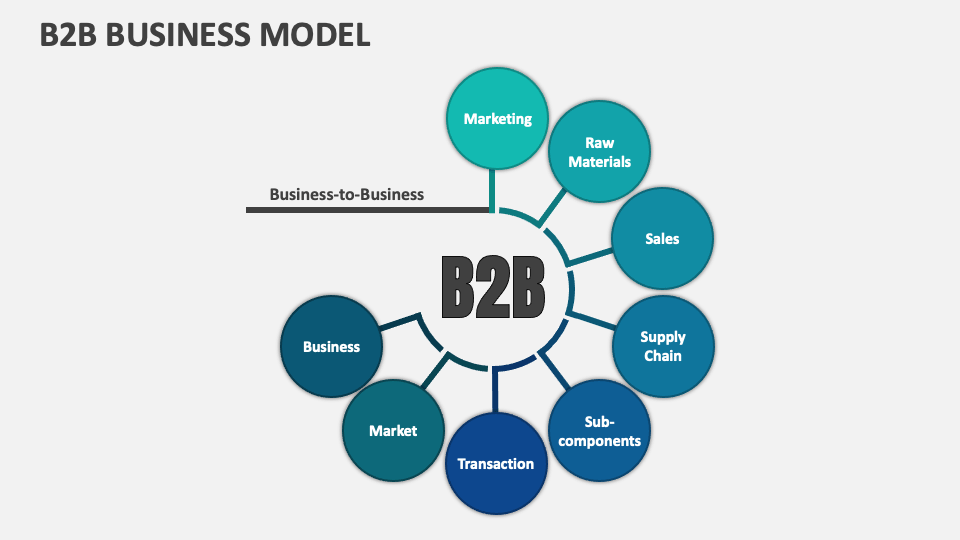
The term b2b adidas refers to the brand’s extensive business-to-business operations, which form the backbone of its global distribution and commercial strategy. Unlike direct-to-consumer (DTC) models, b2b adidas focuses on supplying products to retailers, distributors, sports organizations, and institutional clients. This segment is crucial for scaling reach, especially in emerging markets where retail infrastructure relies heavily on wholesale partnerships.
What Defines b2b adidas?
At its core, b2b adidas encompasses all commercial activities where adidas sells its products or services to other businesses rather than individual consumers. This includes licensing agreements, co-branded product development, bulk supply contracts, and digital integration with retail platforms.
- Sales to multi-brand sportswear retailers
- Supply agreements with national and regional distributors
- Partnerships with fitness chains and sports academies
- Licensing deals for third-party manufacturing and branding
These operations are managed through adidas’ Global Wholesale division, which reported over €8 billion in revenue in 2023 alone, underscoring the massive scale of its b2b adidas initiatives (adidas Group Annual Report, 2023).
How b2b adidas Differs from DTC
While DTC channels like the adidas website or flagship stores focus on personalized customer experiences and brand storytelling, b2b adidas prioritizes logistics, volume efficiency, and long-term contractual relationships. The key differences include:
Pricing Models: B2B deals often involve tiered wholesale pricing based on order volume.Lead Times: Production and delivery cycles are longer and require advanced forecasting.Customization: Institutional clients may request private-label versions or custom-fit gear.Support Infrastructure: Dedicated account managers and supply chain teams handle B2B clients.”Our b2b adidas network allows us to amplify our presence without duplicating retail footprints.
.It’s about strategic leverage,” said Jan Brechmann, Global Head of Wholesale at adidas.Key Industries Served by b2b adidas
The influence of b2b adidas extends far beyond traditional retail.The brand strategically partners with multiple high-impact industries, each contributing to its global footprint and market penetration.These sectors represent not just sales channels but long-term growth vectors..
Sports Teams and Professional Leagues
One of the most visible applications of b2b adidas is in professional sports. Through sponsorship and equipment supply deals, adidas outfits entire leagues and elite teams. For example:
- Supplying match kits for Bundesliga clubs like Borussia Dortmund
- Providing official match balls for UEFA competitions
- Equipping national teams such as Germany, Spain, and Japan
These contracts are multi-year, multimillion-euro agreements that solidify adidas’ position as a leader in performance apparel. They also generate massive brand visibility, indirectly boosting consumer sales. The b2b adidas model here combines technical innovation with marketing power.
Fitness and Wellness Centers
Gyms, yoga studios, and wellness chains increasingly rely on b2b adidas for branded apparel and equipment. Partnerships with chains like Holmes Place, Gold’s Gym, and Virgin Active allow adidas to embed its products into daily fitness routines.
- Custom-branded workout wear for instructors and members
- Exclusive access to limited-edition drops for gym members
- Integrated digital experiences via the adidas Training app
These collaborations are more than transactional—they’re experiential. By aligning with lifestyle brands, b2b adidas strengthens emotional connections with end-users while ensuring consistent revenue from institutional buyers.
Educational and Government Institutions
Schools, universities, and public agencies are emerging as key clients in the b2b adidas ecosystem. From physical education uniforms to national sports programs, adidas supplies gear at scale.
- Supplying PE kits for public school systems in Europe and Asia
- Partnering with Olympic training centers for athlete development
- Providing sportswear for military and police fitness programs
In India, for instance, adidas partnered with state education boards to design ergonomic sportswear for over 500,000 students. This not only expanded market reach but also reinforced brand trust among younger demographics.
How b2b adidas Drives Global Expansion
Expanding into new markets is one of the most complex challenges for global brands. For adidas, b2b partnerships serve as a low-risk, high-reward strategy for entering and scaling in diverse regions. The b2b adidas model enables rapid localization and cultural adaptation.
Market Entry Through Local Distributors
In regions like Southeast Asia, Latin America, and Africa, adidas leverages local distributors to navigate regulatory landscapes, logistics, and consumer preferences. These distributors act as regional arms of b2b adidas, handling warehousing, sales, and customer service.
- Reduces capital investment in physical infrastructure
- Enables faster time-to-market for new product lines
- Leverages local expertise in marketing and retail placement
For example, in Nigeria, adidas collaborates with SportPlus Limited, a leading sports distributor, to supply retailers across West Africa. This partnership has helped adidas increase its market share in the region by 18% since 2021 (Statista, 2023).
Cultural Customization and Regional Product Lines
One of the strengths of b2b adidas is its ability to tailor products to regional tastes. While core collections remain consistent, localized offerings reflect cultural nuances.
- Modest sportswear lines for Middle Eastern markets
- Heat-resistant fabrics for tropical climates
- Collaborations with local designers in Japan and South Korea
In Saudi Arabia, adidas launched a hijab-friendly training line developed in partnership with female athletes and modest fashion influencers. This product, distributed exclusively through b2b channels, became a bestseller within months of release.
Digital Integration with Regional E-commerce Platforms
As e-commerce grows globally, b2b adidas has adapted by integrating with regional online marketplaces. Instead of relying solely on its own website, adidas supplies platforms like Zalora (Southeast Asia), Mercado Libre (Latin America), and Jumia (Africa).
- API-based inventory synchronization for real-time stock updates
- Co-marketing campaigns with platform operators
- Data-sharing agreements to improve demand forecasting
This digital b2b adidas strategy ensures visibility where consumers already shop, reducing customer acquisition costs and increasing conversion rates.
Innovation and Technology in b2b adidas
Behind the scenes, b2b adidas is powered by cutting-edge technology and innovation. From AI-driven demand planning to blockchain-based supply chain tracking, the brand is redefining what’s possible in wholesale operations.
AI-Powered Demand Forecasting
Accurate forecasting is critical in b2b operations, where overstocking or understocking can lead to massive losses. adidas uses artificial intelligence to analyze historical sales data, weather patterns, social trends, and even sports schedules to predict demand.
- Machine learning models update forecasts weekly
- Regional variations are automatically adjusted based on local events
- Integration with ERP systems ensures seamless order processing
This system reduced inventory write-offs by 23% in 2022 and improved on-time delivery rates to 97% (adidas Newsroom, 2023).
Blockchain for Supply Chain Transparency
Transparency is a growing concern in global supply chains. To address this, b2b adidas has piloted blockchain technology to track products from factory to retailer.
- Each batch of goods receives a digital twin on a private blockchain
- Partners can verify origin, materials, and labor conditions
- Reduces risk of counterfeit goods entering the supply chain
This initiative supports adidas’ sustainability goals and strengthens trust with ethical retailers and institutional buyers.
AR and VR for Virtual Showrooms
Traditionally, b2b buyers attended physical trade shows to preview new collections. Now, b2b adidas uses augmented reality (AR) and virtual reality (VR) to create immersive digital showrooms.
- Buyers can explore 3D models of shoes and apparel from their offices
- Real-time customization options (colors, sizes, logos)
- Integration with ordering systems for instant purchase
During the 2023 Sports Retail Expo, adidas hosted a fully virtual showcase that attracted over 1,200 B2B clients from 60 countries—tripling attendance compared to in-person events.
Sustainability and Ethical Practices in b2b adidas
Sustainability is no longer optional—it’s a business imperative. For b2b adidas, this means embedding eco-conscious practices into every stage of the wholesale lifecycle, from sourcing to delivery.
Eco-Friendly Materials and Production
adidas has committed to using only recycled polyester in all products by 2025. This policy directly impacts b2b adidas, as bulk orders must comply with the same standards.
- Parley for the Oceans: Shoes made from ocean plastic waste
- Futurecraft.Loop: Fully recyclable performance footwear
- Organic cotton and low-impact dyes in apparel lines
These materials are now standard across b2b adidas catalogs, ensuring that even wholesale clients contribute to environmental goals.
Carbon-Neutral Logistics
Transportation is a major source of carbon emissions in B2B operations. To combat this, adidas has partnered with logistics providers like DHL and DB Schenker to offer carbon-neutral shipping options.
- Use of electric and hybrid delivery vehicles
- Consolidated shipments to reduce trips
- Carbon offset programs for unavoidable emissions
In 2023, 68% of b2b adidas shipments in Europe were carbon-neutral, up from 42% in 2021.
Ethical Labor and Supplier Audits
adidas enforces strict labor standards across its supplier network. The b2b adidas division requires all manufacturing partners to undergo regular audits.
- Third-party inspections by organizations like Fair Labor Association
- Zero tolerance for child labor and forced labor
- Living wage commitments for factory workers
Transparency reports are published annually, allowing B2B clients to verify compliance and align with their own CSR policies.
Challenges Facing b2b adidas
Despite its success, b2b adidas faces several challenges that could impact future growth. Navigating these requires strategic foresight and operational agility.
Competition from Direct-to-Consumer Shifts
Many brands are shifting focus from wholesale to DTC to capture higher margins. Nike, for example, reduced its wholesale presence in North America to prioritize its own stores and app. This trend pressures b2b adidas to prove its continued value.
- Retailers fear brand dilution if adidas promotes DTC too aggressively
- Pricing conflicts between B2B and DTC channels
- Need for clearer channel differentiation
To counter this, adidas has introduced exclusive B2B product lines and enhanced retailer support programs.
Supply Chain Disruptions
Global events like pandemics, geopolitical tensions, and climate-related disruptions continue to affect supply chains. b2b adidas must maintain reliability despite these uncertainties.
- Diversification of manufacturing locations (Vietnam, Turkey, India)
- Increased safety stock for high-demand items
- Real-time risk monitoring systems
The 2021 Suez Canal blockage highlighted vulnerabilities, prompting adidas to invest €200 million in supply chain resilience.
Data Security and Partner Integration
As b2b adidas becomes more digital, data security becomes critical. Sharing sales forecasts, inventory levels, and customer data with partners increases exposure to cyber threats.
- Implementation of end-to-end encryption for B2B portals
- Regular security audits for third-party platforms
- Training programs for partner IT teams
adidas now requires all major B2B partners to comply with ISO 27001 standards for information security.
Future Trends Shaping b2b adidas
The future of b2b adidas is being shaped by technological innovation, shifting consumer expectations, and evolving business models. Staying ahead requires continuous adaptation and bold vision.
Rise of Subscription-Based B2B Models
A growing trend in B2B commerce is the subscription model. adidas is exploring this with institutional clients like gyms and schools.
- Monthly delivery of fresh apparel and accessories
- Automatic replenishment based on usage data
- Lower upfront costs for clients
Pilot programs in Germany and Australia have shown a 30% increase in client retention compared to traditional bulk orders.
Hyper-Personalization Through Data Analytics
With access to vast amounts of data, b2b adidas can offer hyper-personalized product recommendations and marketing support to its retail partners.
- AI-driven insights on local consumer preferences
- Customized merchandising plans for each store
- Dynamic pricing suggestions based on demand elasticity
This level of personalization turns b2b adidas from a supplier into a strategic growth partner.
Expansion into New Verticals
adidas is exploring opportunities beyond traditional sportswear, including healthcare, corporate wellness, and even fashion-tech collaborations.
- Smart clothing with biometric sensors for rehabilitation clinics
- Branded corporate fitness programs for enterprises
- Partnerships with tech firms to integrate wearables
These moves position b2b adidas as a leader in the convergence of sport, health, and technology.
What is b2b adidas?
b2b adidas refers to the business-to-business operations of the adidas brand, where it supplies products and services to retailers, distributors, sports organizations, and institutional clients rather than selling directly to consumers. This includes wholesale distribution, licensing, and large-scale supply contracts.
How does b2b adidas differ from DTC?
While DTC (direct-to-consumer) focuses on individual customers through branded stores and websites, b2b adidas targets other businesses. It emphasizes volume sales, long-term contracts, logistics efficiency, and customized solutions for partners like gyms, schools, and sports leagues.
What industries benefit from b2b adidas partnerships?
Key industries include professional sports leagues, fitness centers, educational institutions, government agencies, and regional e-commerce platforms. These partnerships enable adidas to scale globally while maintaining brand integrity and operational efficiency.
Is b2b adidas sustainable?
Yes. b2b adidas integrates sustainability through eco-friendly materials, carbon-neutral logistics, and ethical labor practices. All wholesale products comply with adidas’ 2025 sustainability roadmap, including the use of recycled polyester and transparent supply chains.
What’s the future of b2b adidas?
The future includes AI-driven personalization, blockchain transparency, subscription models, and expansion into health-tech and corporate wellness. b2b adidas is evolving from a supplier to a strategic innovation partner for global clients.
The b2b adidas model is far more than a distribution channel—it’s a strategic engine driving global growth, innovation, and sustainability. By leveraging technology, fostering deep partnerships, and adapting to market shifts, adidas continues to redefine what’s possible in B2B sportswear. As consumer and enterprise demands evolve, b2b adidas stands ready to lead the next wave of athletic commerce, proving that behind every great brand is an even greater business strategy.
Further Reading: