Welcome to the world of B2B Bistro—a game-changing concept where business meets flavor. If you’re looking to elevate client meetings, boost team morale, or create unforgettable corporate experiences, this is your ultimate guide.
What Exactly Is a B2B Bistro?

The term b2b bistro might sound like a trendy buzzword, but it represents a powerful shift in how companies approach hospitality, networking, and employee engagement. Unlike traditional restaurants or cafeterias, a B2B bistro is designed specifically for business-to-business interactions—where meals are more than just food; they’re strategic tools.


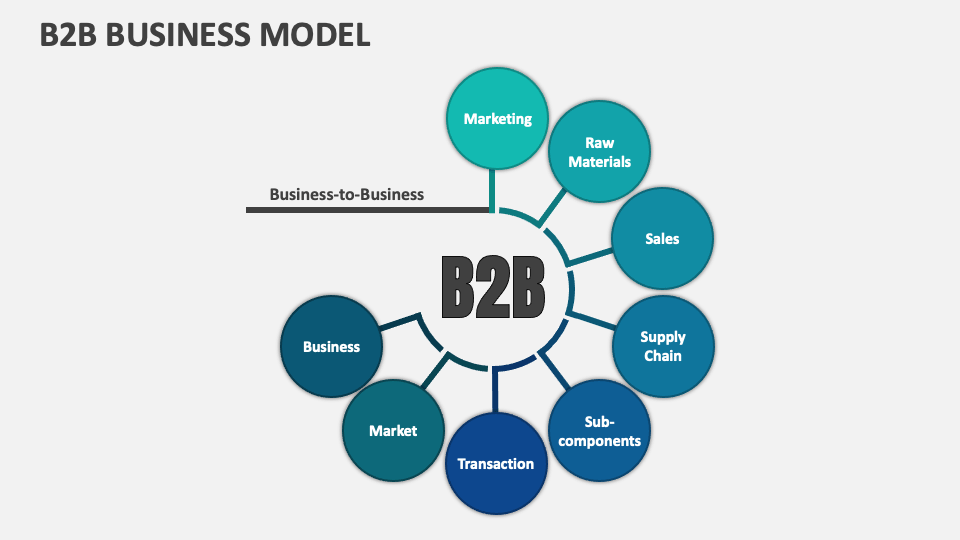
Defining the B2B Bistro Model
A B2B bistro operates at the intersection of culinary excellence and corporate strategy. It’s not open to the general public but serves clients, partners, vendors, and employees in a curated environment. These spaces are often hosted within corporate campuses, co-working hubs, or exclusive business lounges.
- Focuses on relationship-building through shared dining experiences
- Designed with privacy, comfort, and professionalism in mind
- Offers customizable menus tailored to client preferences and dietary needs
According to HospitalityNet, private dining spaces for corporate clients grew by 34% between 2020 and 2023, signaling a rising demand for intimate, high-value environments.
How It Differs from Traditional Restaurants
While traditional restaurants aim for mass appeal and high turnover, a b2b bistro prioritizes exclusivity, service quality, and brand alignment. The experience is less about volume and more about value.
- No walk-ins: Access is by invitation or appointment only
- Menus reflect company culture (e.g., sustainability, wellness, luxury)
- Staff are trained in business etiquette and confidentiality
“The B2B bistro isn’t just about feeding people—it’s about feeding relationships.” — Maria Thompson, CEO of Corporate Hospitality Group
The Strategic Importance of B2B Bistros in Modern Business
In today’s relationship-driven economy, face-to-face interactions remain crucial. A well-executed b2b bistro experience can be the deciding factor in sealing a multimillion-dollar deal or retaining a top-tier partner.
Building Trust Through Shared Meals
Sharing a meal has long been a universal symbol of trust and camaraderie. In a B2B context, this ritual becomes a strategic advantage. When clients are invited to a private bistro setting, they feel valued and respected.
- Reduces formal barriers between executives and partners
- Encourages open dialogue in a relaxed atmosphere
- Creates memorable moments that strengthen brand loyalty
A study published by ScienceDirect found that 78% of executives reported higher trust levels after informal dining meetings compared to boardroom sessions.
Enhancing Corporate Image and Brand Identity
Your bistro is an extension of your brand. From the interior design to the plating style, every detail communicates your company’s values—whether it’s innovation, sustainability, or luxury.
- A minimalist, tech-inspired bistro reflects a forward-thinking brand
- Organic, farm-to-table menus signal environmental responsibility
- Artistic plating and sommelier service convey sophistication
Companies like Google and Salesforce have mastered this by integrating their b2b bistro spaces into their overall brand storytelling, making them part of the client journey.
Key Features of a Successful B2B Bistro
Not all bistros are created equal. To stand out in the competitive B2B landscape, your bistro must offer more than just good food. It needs a clear purpose, exceptional execution, and seamless integration with business goals.
Customizable Dining Experiences
One size does not fit all in the world of B2B hospitality. A top-tier b2b bistro offers flexibility in menu design, seating arrangements, and ambiance to suit different types of meetings—be it a merger negotiation or a team-building lunch.
- Themed menus based on client culture (e.g., Japanese kaiseki for a Tokyo-based firm)
- Dietary customization (vegan, halal, gluten-free, etc.)
- Interactive dining options like live cooking stations or wine pairing sessions
Platforms like Toast now offer enterprise-level POS systems that help track guest preferences and automate personalized service.
Privacy and Professional Ambiance
Confidentiality is non-negotiable in high-stakes business discussions. A successful B2B bistro ensures soundproofing, discreet staff, and secure access controls.
- Private dining rooms with lockable doors
- No shared tables or public seating
- NDAs signed by kitchen and service staff
For example, Deloitte’s executive bistro in New York features biometric entry and encrypted communication systems to protect sensitive conversations.
How to Launch Your Own B2B Bistro: A Step-by-Step Guide
Starting a b2b bistro isn’t just about hiring a chef and buying furniture. It requires strategic planning, stakeholder alignment, and operational precision. Here’s how to build one from the ground up.
Step 1: Define Your Purpose and Target Audience
Before you draft a menu, ask: Who are you serving? Is it internal teams, external clients, investors, or a mix? Your answer will shape everything—from location to menu pricing.
- Internal-focused bistros prioritize employee wellness and productivity
- Client-facing bistros emphasize luxury, exclusivity, and brand alignment
- Hybrid models serve both, with separate zones or time slots
Conduct surveys or focus groups with key stakeholders to identify expectations and pain points.
Step 2: Choose the Right Location and Design
Location matters—even if it’s inside your office. The bistro should be easily accessible yet secluded enough to maintain privacy.
- Ground-floor access for clients with valet parking
- Sound-dampening materials and visual barriers between tables
- Design elements that reflect your brand (colors, logos, artwork)
Consider working with an interior designer experienced in hospitality spaces. Firms like Gensler and HOK specialize in corporate environments that blend functionality with elegance.
Step 3: Partner with the Right Culinary Team
Your chef isn’t just a cook—they’re a brand ambassador. Look for culinary professionals who understand business etiquette, dietary science, and flavor innovation.
- Hire chefs with fine dining or corporate catering experience
- Train staff in client interaction and confidentiality protocols
- Establish relationships with local farms and sustainable suppliers
According to National Restaurant Association, 62% of B2B clients prefer venues that source ingredients locally and sustainably.
The Role of Technology in B2B Bistros
Gone are the days when a bistro was just about food and ambiance. Today, technology plays a critical role in enhancing efficiency, personalization, and security in a b2b bistro setting.
Digital Reservation and Guest Management Systems
To manage access and ensure smooth operations, digital platforms are essential. These systems allow hosts to schedule visits, customize menus, and track guest history.
- Online booking portals with calendar integration
- Guest profiling to remember dietary restrictions and preferences
- Automated reminders and follow-up surveys
Tools like OpenTable for Business and SevenRooms offer enterprise-grade solutions tailored for private dining experiences.
Smart Kitchens and AI-Powered Menus
Advanced kitchens now use AI to optimize inventory, predict demand, and even suggest menu items based on guest profiles.
- AI analyzes past orders to recommend dishes for returning clients
- IoT sensors monitor food storage conditions in real-time
- Automated ordering systems reduce waste and labor costs
For instance, IBM’s Watson has been used in pilot programs to create personalized tasting menus based on a guest’s flavor preferences and health data.
Measuring the ROI of a B2B Bistro
Investing in a b2b bistro isn’t cheap. So how do you know if it’s worth it? The return on investment (ROI) goes beyond direct revenue—it includes client retention, employee satisfaction, and brand equity.
Quantitative Metrics to Track
While some benefits are intangible, many can be measured with precision.
- Client deal closure rate before and after bistro engagement
- Employee productivity and attendance post-lunch program
- Cost per guest vs. perceived value (via post-visit surveys)
For example, a tech startup in Austin reported a 22% increase in client contract signings after launching its executive bistro program.
Qualitative Benefits That Matter
Sometimes the most valuable outcomes can’t be graphed—but they’re real.
- Stronger emotional connection between clients and your brand
- Improved internal collaboration due to shared dining spaces
- Enhanced reputation as a company that values experience and care
“We closed a $5M deal over a three-course meal. The food wasn’t the reason—we did—but the atmosphere made the conversation flow.” — James Reed, VP of Sales at Nexora Inc.
Real-World Examples of Successful B2B Bistros
Still not convinced? Let’s look at companies that have turned their b2b bistro into a strategic asset.
Apple’s Infinite Loop Executive Dining Room
Apple’s legendary campus includes a private bistro reserved for top executives, partners, and VIP guests. The space is minimalist, quiet, and highly secure.
- Menus are curated by Michelin-trained chefs
- No photos allowed; strict confidentiality enforced
- Focused on clean, energy-boosting foods to support high-level thinking
This bistro isn’t just a perk—it’s a tool for innovation and decision-making.
Siemens’ Innovation Bistro in Munich
Siemens uses its bistro as a collaborative hub where engineers, clients, and researchers brainstorm over meals. The space doubles as a presentation lounge with embedded screens and whiteboards.
- Themed dinner series on topics like AI and green energy
- Guest speakers serve as both presenters and dining companions
- Feedback collected in real-time via tablets at each table
It’s not just dining—it’s ideation in action.
Common Challenges and How to Overcome Them
Launching a b2b bistro comes with hurdles. But with foresight, most can be avoided or managed effectively.
Budget Constraints and Cost Management
High-quality food, staffing, and technology aren’t cheap. Many companies underestimate the ongoing operational costs.
- Start small: Begin with a weekly executive lunch before scaling
- Negotiate bulk deals with suppliers
- Use part-time or rotating culinary staff to reduce payroll
Consider treating the bistro as a long-term investment rather than a cost center.
Maintaining Consistent Quality
One bad meal can damage trust. Consistency is key in a B2B environment where reputations are on the line.
- Implement strict quality control checklists
- Conduct regular taste tests and staff training
- Rotate menus seasonally to keep ingredients fresh and exciting
Use customer feedback loops to catch issues before they escalate.
Future Trends Shaping the B2B Bistro Industry
The b2b bistro concept is evolving rapidly. Staying ahead means embracing innovation and anticipating client expectations.
Hyper-Personalization Through Data Analytics
Soon, every guest might receive a menu tailored to their biometrics, mood, and past behavior.
- Wearable integration to suggest energy-boosting or calming dishes
- AI predicts preferred flavors based on cultural background and past choices
- Digital twins of guests used to simulate dining experiences
Companies like Nutrino and Zoe are already pioneering health-based food personalization.
Sustainability as a Core Value
Green practices are no longer optional. Clients expect eco-conscious operations—from zero-waste kitchens to carbon-neutral delivery.
- Composting and recycling programs
- Plant-based menus as the default option
- Transparent sourcing with QR codes on menus showing farm origins
A 2023 report by McKinsey & Company found that 68% of B2B decision-makers prefer partners with strong ESG commitments.
What is a B2B bistro?
A B2B bistro is a private dining space designed for business professionals to host clients, partners, or employees in a controlled, high-quality environment. It focuses on relationship-building, brand expression, and strategic hospitality rather than public service.
How does a B2B bistro differ from a regular restaurant?
Unlike public restaurants, a B2B bistro is invitation-only, emphasizes privacy, aligns with corporate branding, and offers personalized menus. Service is tailored to business needs, and the atmosphere supports professional conversations.
Can small businesses benefit from a B2B bistro?
Absolutely. Even small firms can create a mini-bistro experience—like a dedicated meeting room with gourmet catering. The key is intentionality: using food as a tool to impress clients and strengthen relationships.
What kind of ROI can I expect from a B2B bistro?
ROI includes higher client retention, faster deal closures, improved employee satisfaction, and enhanced brand perception. While hard costs exist, the long-term strategic gains often outweigh them.
How do I ensure confidentiality in my B2B bistro?
Implement strict access controls, train staff on NDAs, use soundproofing, and avoid shared seating. Consider digital tools that anonymize guest data and secure communication channels.
The b2b bistro is more than a dining space—it’s a strategic weapon in modern business. Whether you’re hosting a Fortune 500 client or nurturing internal innovation, the right culinary experience can open doors, build trust, and elevate your brand. From Apple to Siemens, leading companies are proving that when business and flavor collide, success follows. By understanding its purpose, leveraging technology, and focusing on quality, any organization can harness the power of the B2B bistro to create lasting impact.
Further Reading: