Ever wondered why some companies thrive while others barely survive? The secret often lies in mastering the art of B2B business—where relationships, strategy, and value reign supreme.
What Exactly Is a B2B Business?

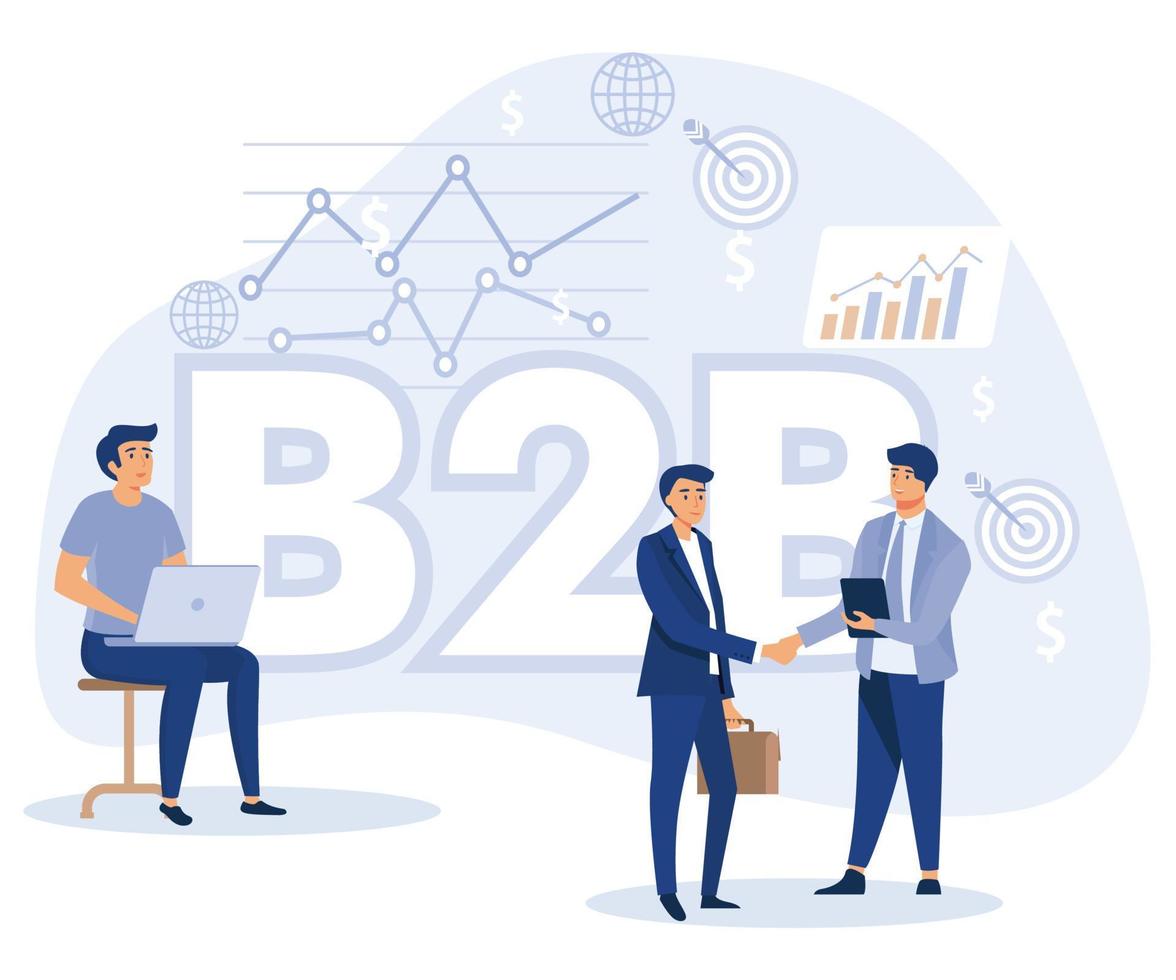
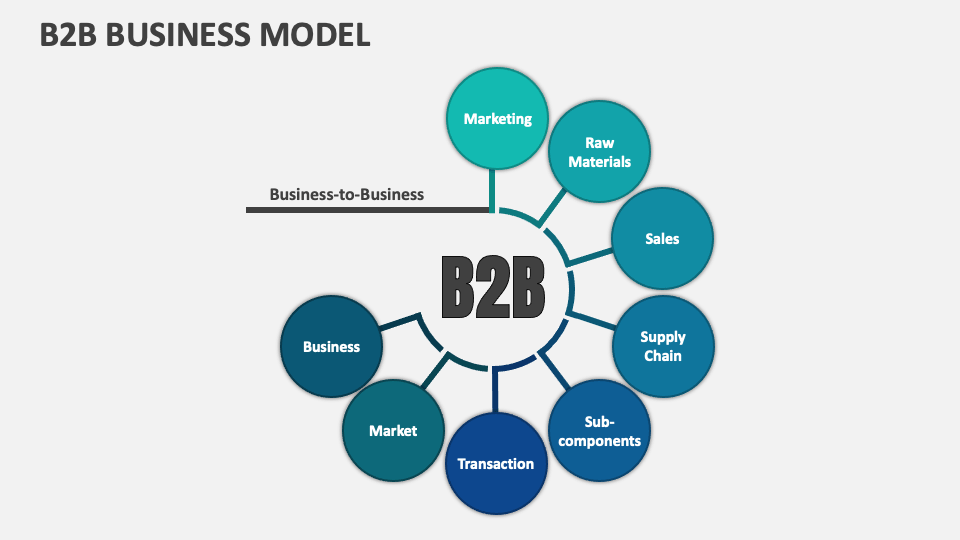
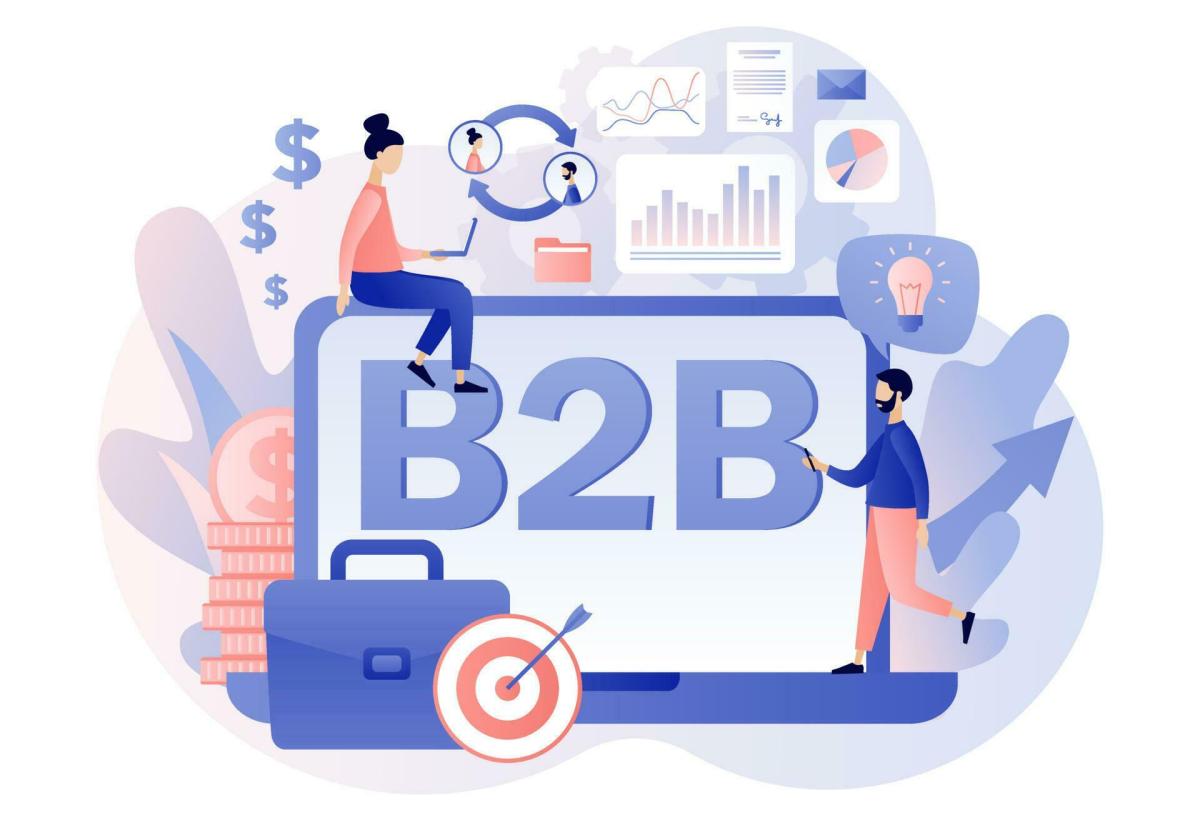
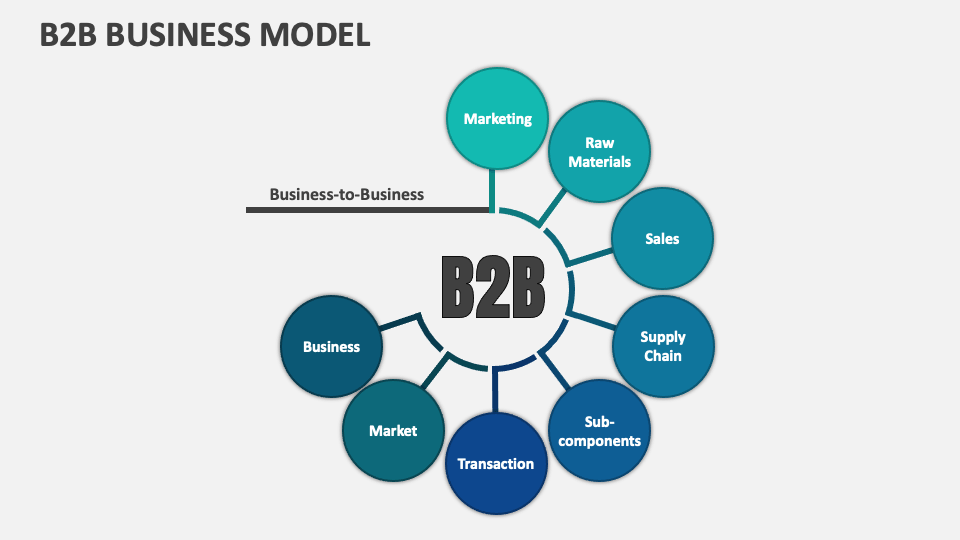
The term B2B business, or business-to-business, refers to transactions between companies rather than between a company and individual consumers (B2C). This model powers industries from manufacturing to software, forming the backbone of global commerce.
Defining B2B vs. B2C
While B2C focuses on emotional appeal and quick sales, B2B is rooted in logic, long-term value, and complex decision-making processes. A consumer might buy a coffee based on mood, but a procurement manager buys software after months of evaluation.
- B2B decisions involve multiple stakeholders
- Sales cycles are longer and more consultative
- Pricing is often customized and negotiated
“B2B isn’t just about selling to businesses—it’s about solving their problems at scale.” — Forbes Insights
Common Examples of B2B Models
From cloud service providers like Amazon Web Services to industrial equipment suppliers, B2B spans diverse sectors. Other examples include:
- Software-as-a-Service (SaaS) platforms like Salesforce
- Wholesale distributors supplying retailers
- Marketing agencies serving enterprise clients
These businesses don’t target end-users directly but enable other companies to operate more efficiently.
Why B2B Business Is More Important Than Ever
In today’s interconnected economy, the success of one business often depends on the performance of its partners, suppliers, and service providers. The B2B ecosystem is expanding rapidly, driven by digital transformation and globalization.
Global Market Size and Growth Trends
According to Statista, the global B2B e-commerce market is projected to reach $20.9 trillion by 2027—far surpassing B2C in volume. This growth is fueled by automation, AI-driven procurement tools, and the rise of digital marketplaces.
- Over 70% of B2B buyers now prefer digital channels
- AI and data analytics are reshaping vendor selection
- Supply chain digitization is accelerating post-pandemic
This shift means traditional sales tactics are no longer enough. Companies must adapt or risk obsolescence.
Impact of Digital Transformation
Digital tools have revolutionized how B2B businesses operate. From CRM systems to AI-powered chatbots, technology enables faster communication, better personalization, and scalable outreach.
- Cloud-based ERP systems streamline operations
- Video conferencing reduces travel costs and speeds up negotiations
- Automated marketing nurtures leads 24/7
Companies that embrace digital transformation report higher customer retention and faster sales cycles.
Key Characteristics of a Successful B2B Business
Not all B2B companies succeed equally. The most effective ones share common traits that set them apart in a competitive landscape. Understanding these can help you build a more resilient and profitable model.
Long Sales Cycles and Relationship Building
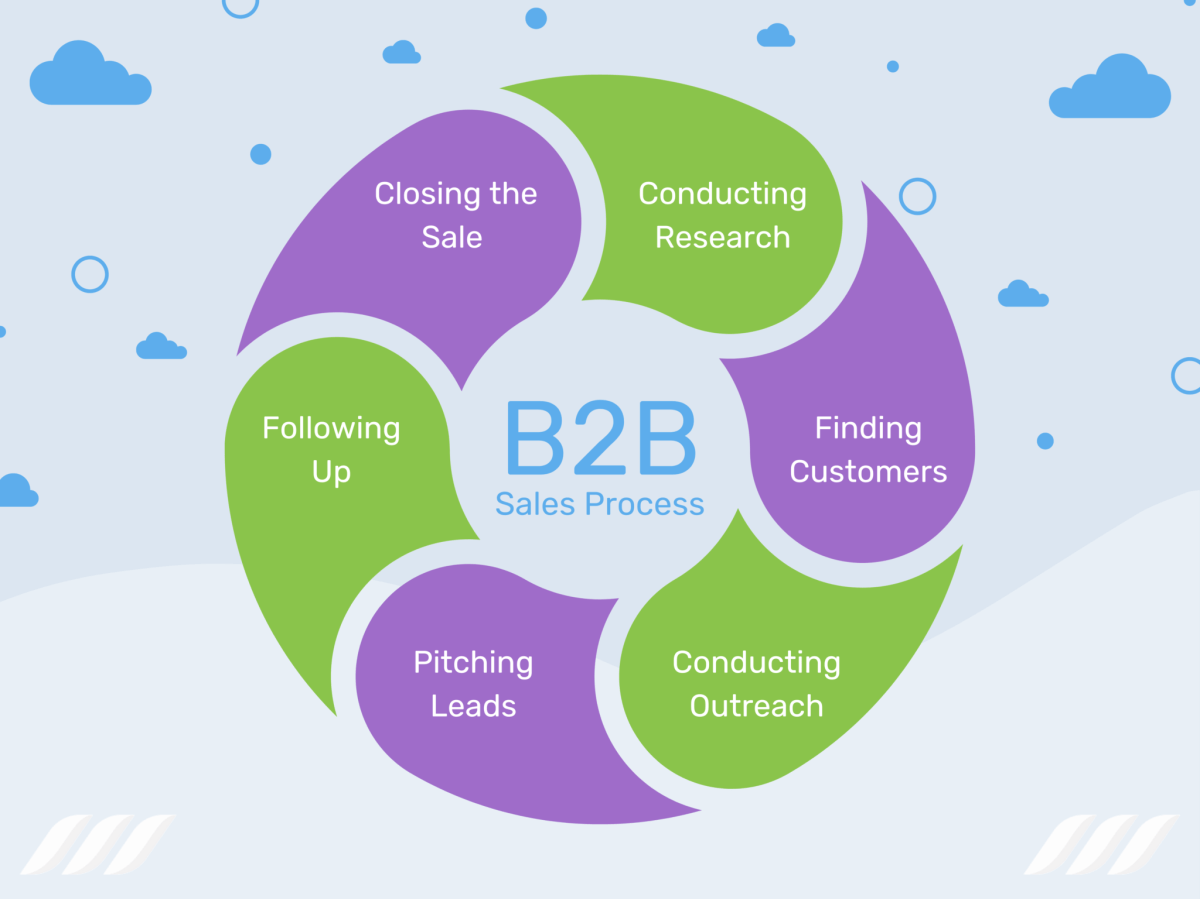
Unlike B2C, where purchases can be impulsive, B2B sales often take weeks or months. This requires patience, consistent follow-up, and deep relationship management.
- Decision-makers need time to evaluate ROI
- Multiple departments may be involved (IT, finance, operations)
- Trust is built through reliability and expertise
Relationships matter more than transactions. A single client can generate millions in revenue over years.
High-Value Transactions and Custom Solutions
B2B deals typically involve large contracts with customized offerings. Whether it’s a tailored software integration or a bulk supply agreement, personalization is key.
- Pricing is often tiered or usage-based
- Contracts include SLAs (Service Level Agreements)
- Solutions are co-developed with client input
This level of customization demands skilled account managers and technical support teams.
b2b business – B2b business menjadi aspek penting yang dibahas di sini.
Data-Driven Decision Making
Top-performing B2B businesses rely on data to guide strategy. From lead scoring to churn prediction, analytics inform every stage of the customer journey.
- CRM platforms track engagement metrics
- Marketing automation uses behavioral data
- AI predicts which leads are most likely to convert
“In B2B, intuition is outdated. Data is the new gut feeling.” — Harvard Business Review
Top B2B Business Models You Should Know
There’s no one-size-fits-all approach in the B2B world. Different industries and customer needs call for distinct business models. Here are the most impactful ones shaping the modern landscape.
Software-as-a-Service (SaaS)
SaaS has become the gold standard for B2B tech companies. By offering software via subscription, firms like Microsoft and Zoom provide scalable, low-friction solutions.
- Recurring revenue model improves cash flow predictability
- Easy onboarding reduces customer acquisition cost
- Continuous updates enhance product value over time
The SaaS model thrives on customer success—keeping users engaged ensures long-term retention.
Manufacturing and Supply Chain Partnerships
Traditional yet vital, this model involves producing goods for other businesses. Think auto parts suppliers or packaging manufacturers.
- Long-term contracts ensure stability
- Just-in-time delivery systems reduce inventory costs
- Quality control is non-negotiable
These businesses often operate on thin margins but achieve profitability through volume and efficiency.
Consulting and Professional Services
Firms like McKinsey or Deloitte sell expertise, not products. Their value lies in solving complex business challenges.
- Hourly or project-based billing is common
- Success depends on thought leadership and credibility
- Client testimonials and case studies drive new sales
This model scales slowly but commands high fees due to specialized knowledge.
How to Build a Winning B2B Business Strategy
A strong strategy separates thriving B2B businesses from those struggling to survive. It’s not just about having a great product—it’s about positioning, messaging, and execution.
Identify Your Ideal Customer Profile (ICP)
Not every company is your customer. Defining your ICP helps focus resources on high-potential accounts.
- Industry, company size, and revenue thresholds
- Geographic location and regulatory environment
- Technology stack and pain points
Tools like LinkedIn Sales Navigator and ZoomInfo help identify and target ideal prospects.
Develop a Value Proposition That Resonates
Your value proposition should answer: Why should a business choose you over competitors?
- Focus on outcomes, not features (e.g., “Reduce operational costs by 30%”)
- Highlight ROI and risk reduction
- Use real-world case studies as proof
A compelling message cuts through noise and accelerates decision-making.
Leverage Account-Based Marketing (ABM)
ABM treats individual accounts as markets of one. Instead of broad campaigns, you tailor content and outreach to specific companies.
- Personalized emails and landing pages
- Targeted ads on LinkedIn and Google
- Executive-level engagement through events
According to ABM Institute, companies using ABM see 200% higher ROI than traditional marketing.
b2b business – B2b business menjadi aspek penting yang dibahas di sini.
Essential Tools and Technologies for B2B Business Success
Technology isn’t optional in modern B2B—it’s foundational. The right tools streamline operations, enhance customer experience, and drive growth.
CRM Systems: The Backbone of B2B Sales
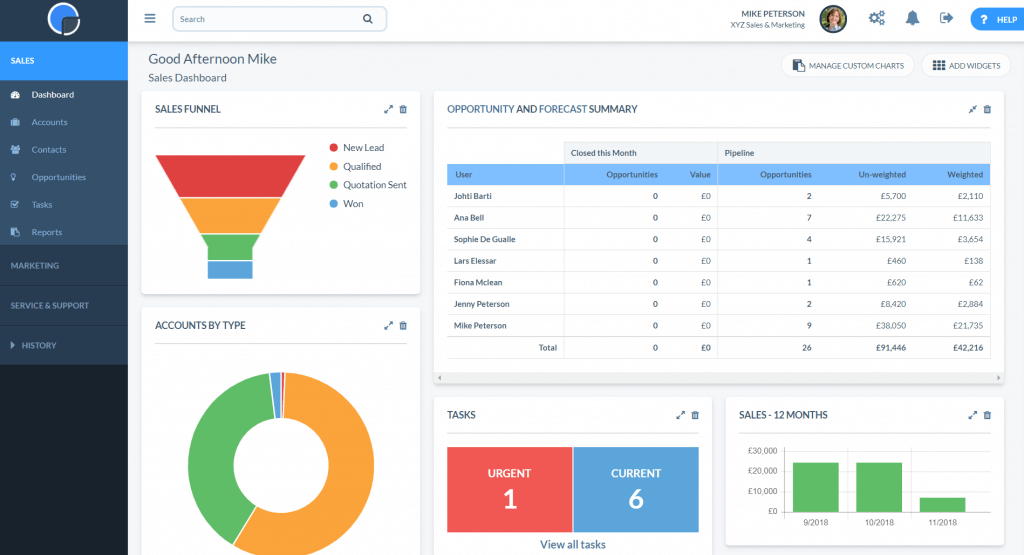
Customer Relationship Management (CRM) platforms like Salesforce and HubSpot centralize client data, track interactions, and automate workflows.
- Lead tracking and pipeline management
- Integration with email and calendar tools
- Reporting dashboards for performance analysis
A well-maintained CRM improves team alignment and reduces missed opportunities.
Marketing Automation Platforms
Tools like Marketo and Pardot allow B2B marketers to nurture leads with personalized content at scale.
- Drip email campaigns based on user behavior
- Lead scoring to prioritize hot prospects
- A/B testing for landing pages and CTAs
Automation frees up time for strategic work while maintaining consistent engagement.
Analytics and Business Intelligence
Without data, you’re flying blind. BI tools like Tableau and Google Data Studio turn raw data into actionable insights.
- Track customer lifetime value (CLV)
- Monitor churn rates and identify red flags
- Forecast revenue and resource needs
“What gets measured gets managed.” — Peter Drucker
Challenges in the B2B Business Landscape and How to Overcome Them
Even the most successful B2B businesses face obstacles. Recognizing these challenges early allows you to build resilience and adapt quickly.
Long and Complex Sales Cycles
With multiple stakeholders and approval layers, closing deals can take months. This ties up resources and creates forecasting uncertainty.
- Solution: Implement a sales enablement strategy with clear content for each buyer persona
- Use pilot programs or free trials to reduce perceived risk
- Assign dedicated account managers to guide prospects
Shortening the cycle isn’t about rushing—it’s about removing friction.
Intense Competition and Market Saturation
Many B2B markets are crowded, especially in tech and consulting. Standing out requires differentiation beyond price.
- Solution: Focus on niche specialization (e.g., SaaS for healthcare compliance)
- Build a strong brand through thought leadership (blogs, webinars, podcasts)
- Offer superior customer service and onboarding
Being known for excellence in a narrow field beats being average in a broad one.
Customer Retention and Churn Management
Acquiring a new B2B customer can cost five times more than retaining an existing one. Yet, many companies neglect post-sale engagement.
- Solution: Invest in customer success teams
- Conduct regular check-ins and business reviews
- Offer training, certifications, and loyalty rewards
Happy customers become advocates, driving referrals and expansion revenue.
Future Trends Shaping the B2B Business World
The B2B landscape is evolving faster than ever. Staying ahead means anticipating changes in buyer behavior, technology, and global dynamics.
Rise of AI and Predictive Analytics
Artificial intelligence is no longer sci-fi—it’s a core part of B2B operations. From chatbots handling initial inquiries to algorithms predicting customer churn, AI enhances efficiency and insight.
b2b business – B2b business menjadi aspek penting yang dibahas di sini.
- AI-powered sales assistants suggest next-best actions
- Natural language processing analyzes customer feedback
- Predictive lead scoring boosts conversion rates
Companies that integrate AI early gain a significant competitive edge.
Increased Focus on Sustainability and ESG
Environmental, Social, and Governance (ESG) factors are influencing B2B purchasing decisions. Buyers now evaluate vendors based on their sustainability practices.
- Green supply chains reduce carbon footprint
- Ethical labor practices enhance brand reputation
- Transparent reporting builds trust
A 2023 McKinsey report found that 60% of B2B buyers consider ESG metrics when choosing suppliers.
Hybrid Buying Journeys and Self-Service Options
Today’s B2B buyers want control. They research online, read reviews, and compare options before ever speaking to a sales rep.
- Interactive product demos and pricing calculators
- Knowledge bases and community forums
- Transparent pricing pages (rare but growing)
Empowering buyers with information builds credibility and speeds up decisions.
What is the difference between B2B and B2C?
B2B (business-to-business) involves companies selling products or services to other businesses, often with longer sales cycles, higher transaction values, and multiple decision-makers. B2C (business-to-consumer) targets individual customers with faster, emotion-driven purchases and simpler buying processes.
How do I start a B2B business?
To start a B2B business, identify a market need, define your ideal customer profile, develop a compelling value proposition, build a professional network, choose the right business model (e.g., SaaS, consulting), and invest in sales and marketing strategies like account-based marketing and CRM tools.
What are the biggest challenges in B2B sales?
Common challenges include long sales cycles, complex decision-making processes, intense competition, customer retention, and aligning marketing with sales. Overcoming these requires relationship-building, data-driven strategies, customer success programs, and agile adaptation to market changes.
Which industries are most active in B2B?
Key B2B industries include technology (especially SaaS), manufacturing, healthcare, logistics, financial services, professional consulting, and industrial supplies. Any sector where companies rely on external vendors for operations is inherently B2B-focused.
How important is digital marketing in B2B business?
Digital marketing is critical in B2B. Over 70% of buyers begin their journey online. Effective digital strategies—such as content marketing, SEO, LinkedIn advertising, and email automation—build visibility, generate leads, and nurture relationships at scale.
b2b business – B2b business menjadi aspek penting yang dibahas di sini.
Mastering the B2B business landscape requires more than just a great product. It demands strategic thinking, relationship focus, technological agility, and a deep understanding of customer needs. From defining your ideal client to leveraging AI and prioritizing sustainability, the path to success is multifaceted. The companies that thrive will be those that adapt quickly, deliver consistent value, and build trust over time. Whether you’re launching a startup or scaling an enterprise, the principles of effective B2B business remain clear: solve real problems, communicate your value, and put the customer at the center of everything you do.
Further Reading: