Ever wonder how the backbone of global commerce operates? B2b companies quietly drive economies, fuel innovation, and power supply chains—all behind the scenes. In this deep dive, we’ll unpack what makes them tick, thrive, and transform industries.
What Are B2B Companies and How Do They Work?

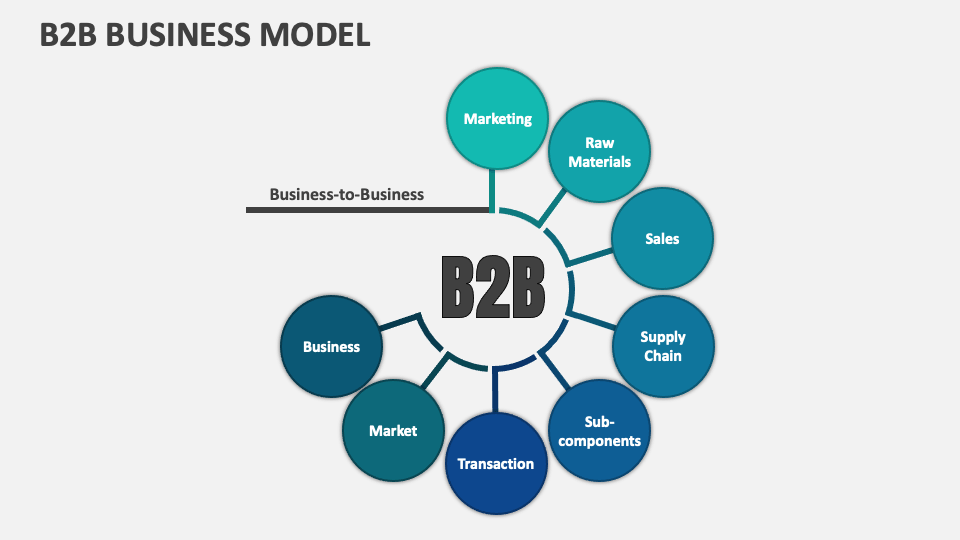
B2B companies—short for business-to-business—are organizations that sell products or services to other businesses rather than to individual consumers. Unlike B2C (business-to-consumer) models, B2B transactions involve longer sales cycles, higher order values, and more stakeholders in the decision-making process. These companies form the foundation of modern commerce, enabling everything from manufacturing to digital transformation.
The Core Definition of B2B Companies
At its essence, a B2B company provides goods or services that help another business operate, grow, or deliver value to its own customers. For example, a software firm selling CRM tools to enterprises, or a logistics provider handling freight for retailers, both operate under the B2B model. The key differentiator from B2C is the target audience: other businesses.
- B2B companies serve organizational needs, not personal desires.
- Transactions are often contractual and recurring.
- Sales cycles are longer and more complex.
“B2B is not just a transaction; it’s a relationship built on trust, value, and long-term partnership.” — Forbes Insights
Common Examples of B2B Companies
Some of the most influential companies in the world operate primarily in the B2B space. Take IBM, which provides cloud computing and AI solutions to enterprises. Or Siemens, a global industrial manufacturing giant supplying automation systems to factories. Even tech behemoths like Microsoft derive significant revenue from B2B offerings like Microsoft 365 and Azure.
- Software-as-a-Service (SaaS) providers like Salesforce and HubSpot.
- Industrial equipment manufacturers like Caterpillar and GE.
- Wholesale distributors supplying retailers with inventory.
How B2B Differs from B2C Models
While both models aim to generate revenue, the mechanics differ significantly. B2B sales are rational, data-driven, and focused on ROI, whereas B2C purchases are often emotional and impulse-driven. In B2B, multiple decision-makers—such as procurement officers, IT managers, and CFOs—must approve purchases, leading to longer negotiation periods.
- B2B: Emphasis on efficiency, scalability, and integration.
- B2C: Emphasis on branding, user experience, and emotional appeal.
- B2B pricing is often customized; B2C pricing is usually fixed.
Key Characteristics That Define Successful B2B Companies
Not all B2B companies achieve long-term success. The most resilient ones share common traits that enable them to navigate complex markets, build lasting client relationships, and scale sustainably. Understanding these characteristics is crucial for anyone looking to enter or grow within the B2B space.
Long Sales Cycles and Relationship-Driven Models
One of the defining features of b2b companies is the extended sales cycle. It’s not uncommon for deals to take months—or even years—to close. This is because purchases often involve large investments, require integration with existing systems, and impact multiple departments. As a result, trust and relationship-building are paramount.
- Sales teams must nurture leads through content, demos, and consultations.
- Customer success teams play a vital role in onboarding and retention.
- Relationships often outlast individual contracts, leading to repeat business.
“In B2B, the sale doesn’t end at the contract signing—it’s just the beginning.” — Harvard Business Review
High-Value Transactions and Customized Solutions
B2B transactions typically involve higher monetary value than B2C. A single enterprise software license can cost tens of thousands of dollars, and industrial machinery can run into millions. Because of this, b2b companies often offer tailored solutions rather than one-size-fits-all products.
- Customization includes pricing tiers, feature sets, and integration options.
- Contracts are often negotiated individually.
- Value is measured in terms of cost savings, productivity gains, or risk reduction.
Multiple Decision Makers and Stakeholder Alignment
Unlike B2C, where one person can make a purchase decision, B2B sales involve a committee. This could include technical evaluators, budget approvers, legal reviewers, and end-users. Successful b2b companies map out these stakeholders early and tailor their messaging accordingly.
- Marketing must address pain points for each role (e.g., CFO vs. CTO).
- Sales teams use stakeholder analysis tools to identify key influencers.
- Content such as ROI calculators and compliance reports helps secure buy-in.
Major Types of B2B Companies and Their Business Models
B2B companies operate across various sectors and adopt different business models depending on their offerings and target markets. Understanding these types helps in identifying opportunities, crafting strategies, and benchmarking performance.
Manufacturers and Industrial Suppliers
These b2b companies produce physical goods used in other businesses’ operations. Examples include automotive parts manufacturers, chemical producers, and construction material suppliers. They often operate at scale and rely on supply chain efficiency.
- Focus on just-in-time delivery and inventory management.
- Partner with logistics firms for global distribution.
- Invest heavily in quality control and compliance.
“The strength of a nation’s industry lies in its B2B manufacturing backbone.” — McKinsey & Company
Software and Technology Providers (SaaS)
The rise of digital transformation has fueled explosive growth in B2B SaaS companies. Firms like Oracle and Adobe offer cloud-based tools for finance, marketing, HR, and operations. These companies benefit from recurring revenue models and low marginal costs.
- Subscription-based pricing ensures predictable income.
- Continuous product updates enhance customer retention.
- APIs and integrations increase platform stickiness.
Wholesalers and Distributors
These b2b companies act as intermediaries between manufacturers and retailers. They aggregate inventory, manage logistics, and provide credit terms to smaller businesses. While margins may be thinner, volume compensates for scale.
- Operate large warehouses and distribution networks.
- Use ERP systems to track inventory in real time.
- Offer value-added services like kitting and labeling.
How B2B Companies Generate Revenue and Scale
Revenue generation in b2b companies is not just about making a sale—it’s about building a scalable, repeatable engine for growth. From pricing strategies to customer acquisition, every element must be optimized for long-term profitability.
Pricing Models in B2B: From Tiered to Usage-Based
B2B pricing is far more complex than in B2C. Companies use various models to align cost with value. Tiered pricing offers different feature sets at increasing price points. Usage-based pricing charges based on consumption (e.g., API calls or data storage). Per-user pricing is common in SaaS, while enterprise deals often involve custom quotes.
- Tiered pricing helps segment customers by needs and budget.
- Usage-based models appeal to startups and variable-demand businesses.
- Value-based pricing ties cost to measurable outcomes (e.g., increased sales).
“The best B2B pricing doesn’t just cover costs—it communicates value.” — Price Intelligently
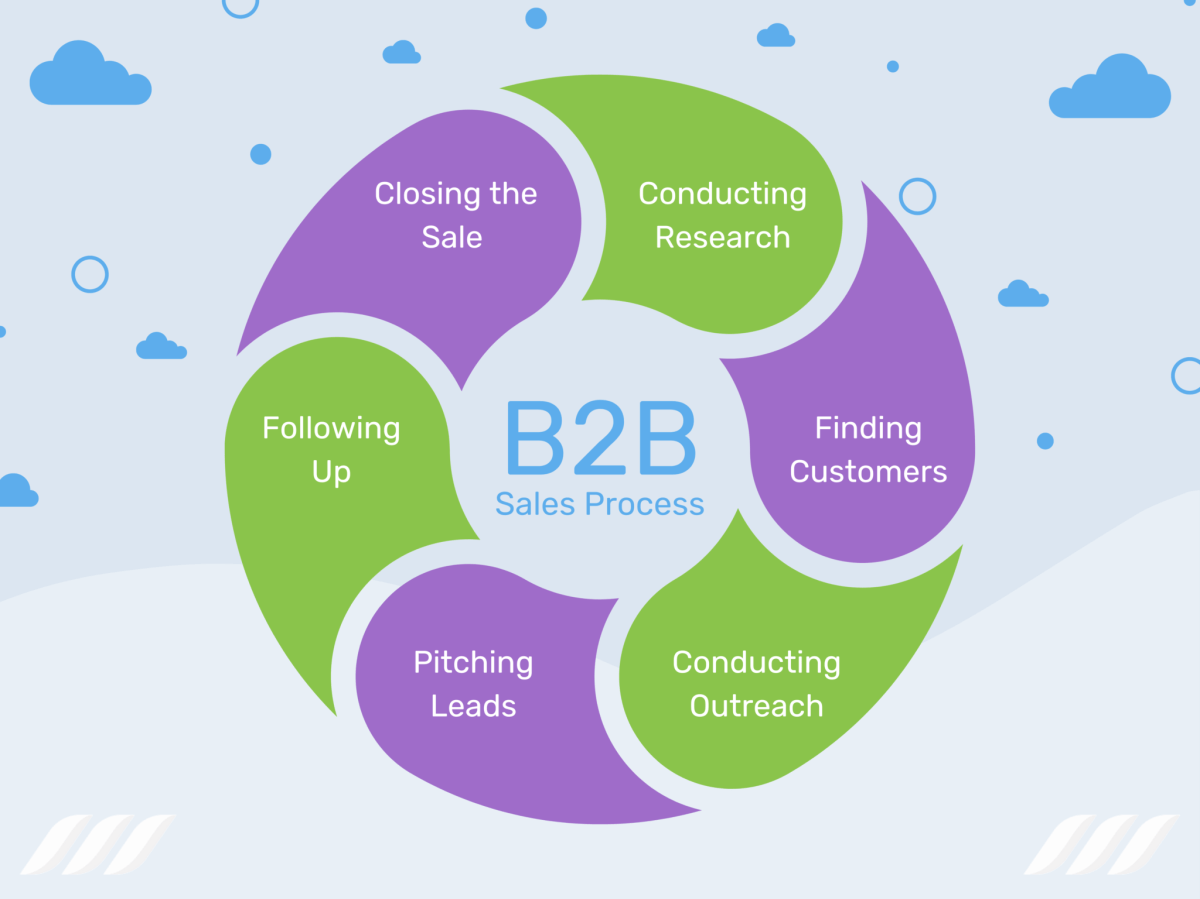
Sales Funnels and Lead Generation Strategies
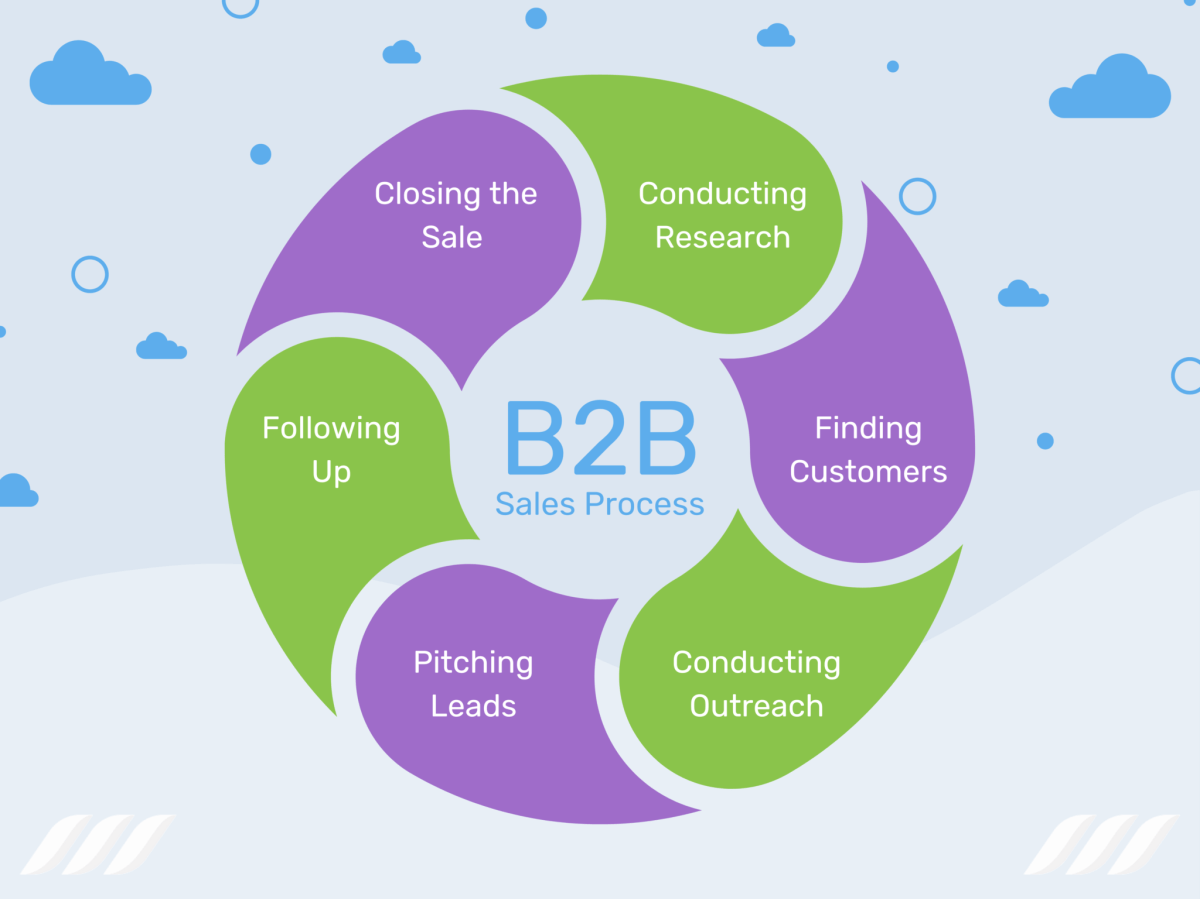
B2B sales funnels are multi-stage journeys that convert awareness into revenue. The top of the funnel relies on content marketing, SEO, and paid ads to attract prospects. Middle-of-funnel activities include webinars, whitepapers, and product demos. The bottom of the funnel involves negotiations, proposals, and contract signing.
- Content marketing drives 3x more leads than paid advertising (HubSpot).
- Account-Based Marketing (ABM) targets high-value accounts with personalized outreach.
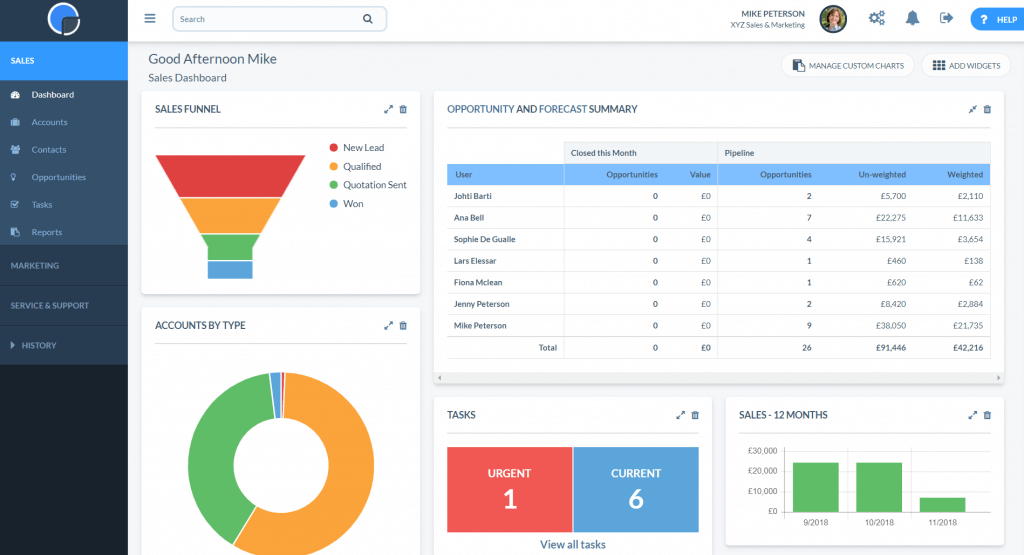
- CRM systems like Salesforce help track leads and forecast revenue.
Customer Retention and Lifetime Value (LTV)
Acquiring a new customer can cost five times more than retaining an existing one. B2B companies focus heavily on customer success to reduce churn and increase LTV. This includes onboarding programs, dedicated support teams, and regular check-ins.
- Net Promoter Score (NPS) measures customer satisfaction.
- Expansion revenue comes from upselling and cross-selling.
- Customer advisory boards provide feedback and strengthen loyalty.
The Role of Digital Marketing in B2B Companies
Gone are the days when b2b companies relied solely on trade shows and cold calls. Today, digital marketing is the engine of growth, enabling precise targeting, measurable ROI, and scalable outreach.
Content Marketing and Thought Leadership
B2B buyers are informed and research extensively before engaging with sales. High-quality content—such as whitepapers, case studies, and blog posts—positions a company as an industry leader. According to Content Marketing Institute, 91% of B2B marketers use content to reach customers.
- Case studies showcase real-world results and build credibility.
- E-books and guides help capture leads via gated content.
- Webinars educate prospects and nurture relationships.
“In B2B, content isn’t king—it’s the entire kingdom.” — Ann Handley
Search Engine Optimization (SEO) for B2B
SEO is critical for b2b companies to be found by decision-makers actively searching for solutions. Unlike B2C, B2B SEO targets long-tail, intent-rich keywords like “best CRM for mid-sized enterprises” or “industrial IoT platform for manufacturing.”
- Technical SEO ensures fast, mobile-friendly websites.
- On-page SEO includes keyword-optimized titles, meta descriptions, and headers.
- Backlink strategies involve guest posting on industry publications.
Social Media and LinkedIn Marketing
While platforms like Instagram and TikTok dominate B2C, LinkedIn is the go-to for b2b companies. It’s where executives, managers, and procurement officers spend their professional time. Companies use LinkedIn for brand building, lead generation, and employee advocacy.
- LinkedIn ads target by job title, industry, and company size.
- Company pages share updates, job postings, and thought leadership.
- Sales Navigator helps reps identify and connect with prospects.
Innovation and Technology Trends Shaping B2B Companies
The landscape for b2b companies is evolving rapidly due to technological advancements. Those that embrace innovation gain a competitive edge in efficiency, customer experience, and market reach.
Artificial Intelligence and Automation
AI is transforming how b2b companies operate. Chatbots handle initial customer inquiries, predictive analytics forecast sales trends, and machine learning optimizes pricing. According to Gartner, 80% of B2B sales interactions will be mediated by AI by 2025.
- AI-powered CRM systems suggest next-best actions for sales reps.
- Automated workflows reduce manual tasks in procurement and invoicing.
- Natural language processing improves customer support and feedback analysis.
“AI isn’t replacing B2B salespeople—it’s making them smarter.” — Salesforce Research
Cloud Computing and SaaS Integration
Cloud technology enables b2b companies to scale rapidly without heavy infrastructure investment. SaaS platforms integrate seamlessly with existing tools, allowing businesses to adopt new solutions quickly. The global SaaS market is projected to reach $1.2 trillion by 2032 (Grand View Research).
- Multi-cloud strategies reduce vendor lock-in and improve resilience.
- APIs enable data sharing between ERP, CRM, and HR systems.
- Security and compliance are top priorities in cloud adoption.
Data Analytics and Customer Insights
Data is the new currency in B2B. Companies leverage analytics to understand customer behavior, optimize pricing, and predict churn. Advanced dashboards provide real-time visibility into sales pipelines and marketing performance.
- Predictive analytics identify at-risk accounts before they churn.
- Customer segmentation enables personalized marketing.
- A/B testing improves conversion rates across digital channels.
Challenges Facing B2B Companies in the Modern Era
Despite their critical role, b2b companies face numerous challenges—from digital disruption to shifting buyer expectations. Navigating these obstacles requires agility, foresight, and strategic investment.
Increasing Competition and Market Saturation
As barriers to entry fall, more players enter the B2B space, especially in tech and services. Standing out requires differentiation through innovation, superior customer experience, or niche specialization.
- Commoditization pressures force companies to add value beyond the product.
- Price wars can erode margins if not managed carefully.
- Brand positioning becomes critical in crowded markets.
“In a world of sameness, the only sustainable advantage is customer experience.” — Seth Godin
Supply Chain Disruptions and Global Risks
Recent global events—from pandemics to geopolitical tensions—have exposed vulnerabilities in supply chains. B2B manufacturers and distributors must build resilience through diversification, inventory buffering, and digital tracking.
- Blockchain is being explored for transparent supply chain tracking.
- Reshoring and nearshoring reduce dependency on distant suppliers.
- Real-time monitoring tools help anticipate delays.
Adapting to Remote Work and Digital-First Buyers
The shift to remote work has changed how b2b companies engage with clients. Buyers now expect digital experiences—virtual demos, e-signatures, and online support—without compromising on service quality.
- Digital onboarding must be intuitive and self-service.
- Sales teams need tools for remote presentations and collaboration.
- Security and data privacy are non-negotiable in digital interactions.
What is the difference between B2B and B2C companies?
B2B companies sell to other businesses, focusing on logic, ROI, and long-term value. B2C companies sell to individual consumers, emphasizing emotion, branding, and immediate gratification. B2B sales cycles are longer, involve multiple stakeholders, and have higher transaction values.
How do B2B companies generate leads?
B2B companies generate leads through content marketing, SEO, LinkedIn outreach, webinars, trade shows, and account-based marketing (ABM). They often use gated content like whitepapers to capture contact information and nurture prospects through email campaigns.
What are the most successful B2B business models?
The most successful B2B business models include SaaS (subscription software), manufacturing (industrial goods), and wholesale distribution. SaaS models benefit from recurring revenue, while manufacturing leverages scale and supply chain efficiency.
Why is customer retention crucial for B2B companies?
Customer retention is crucial because acquiring new customers is significantly more expensive than retaining existing ones. High retention leads to increased lifetime value, expansion revenue through upselling, and stronger brand advocacy.
How is AI impacting B2B sales and marketing?
AI is revolutionizing B2B sales by automating lead scoring, predicting customer behavior, and personalizing outreach. In marketing, AI powers chatbots, content recommendations, and campaign optimization, enabling more efficient and effective engagement.
B2B companies are the unsung heroes of the global economy, powering innovation, enabling supply chains, and driving enterprise growth. From manufacturers to SaaS providers, these organizations thrive on relationships, value, and long-term vision. As technology reshapes the landscape, the most successful b2b companies will be those that embrace digital transformation, prioritize customer success, and adapt to evolving market demands. Whether you’re building, investing in, or partnering with a B2B company, understanding its mechanics, challenges, and opportunities is key to sustainable success.
Further Reading: