Ever wondered how companies sell to other companies? Let’s dive into real b2b examples that shape industries and drive massive revenue—without the flashy ads you see on TV.
B2B Examples: Understanding the Core Concept

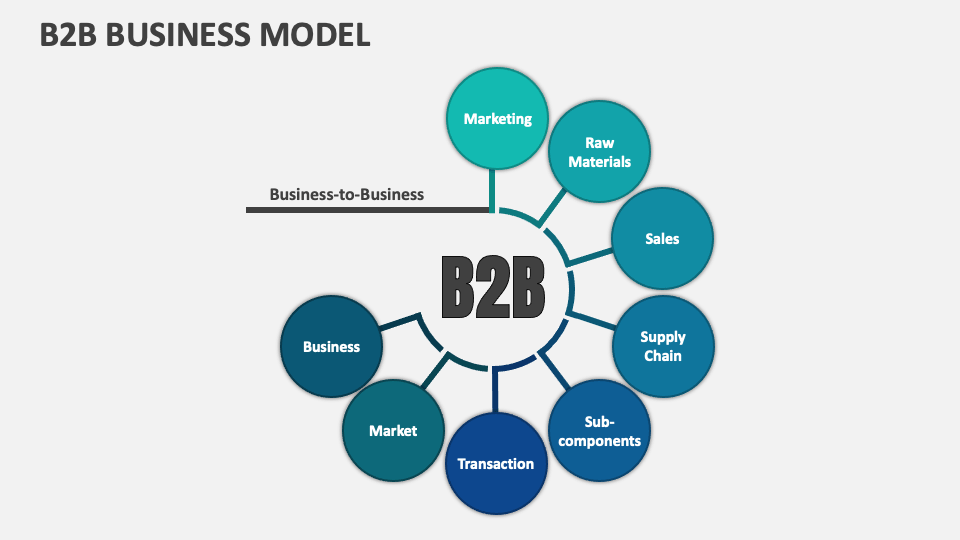
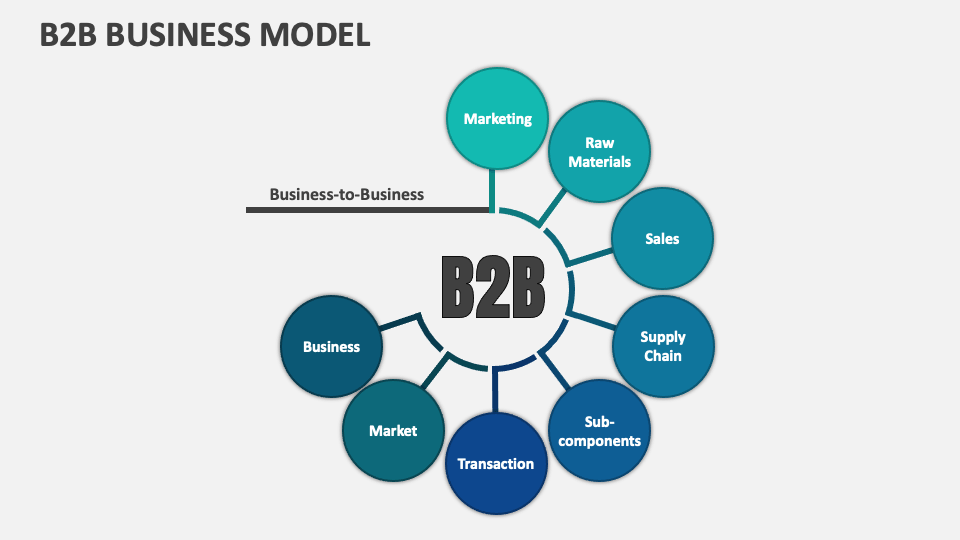
Business-to-business (B2B) refers to transactions between companies, such as a manufacturer selling to a wholesaler or a software provider offering tools to enterprises. Unlike B2C (business-to-consumer), B2B focuses on solving business problems, building long-term partnerships, and delivering measurable ROI.

What Defines a B2B Model?
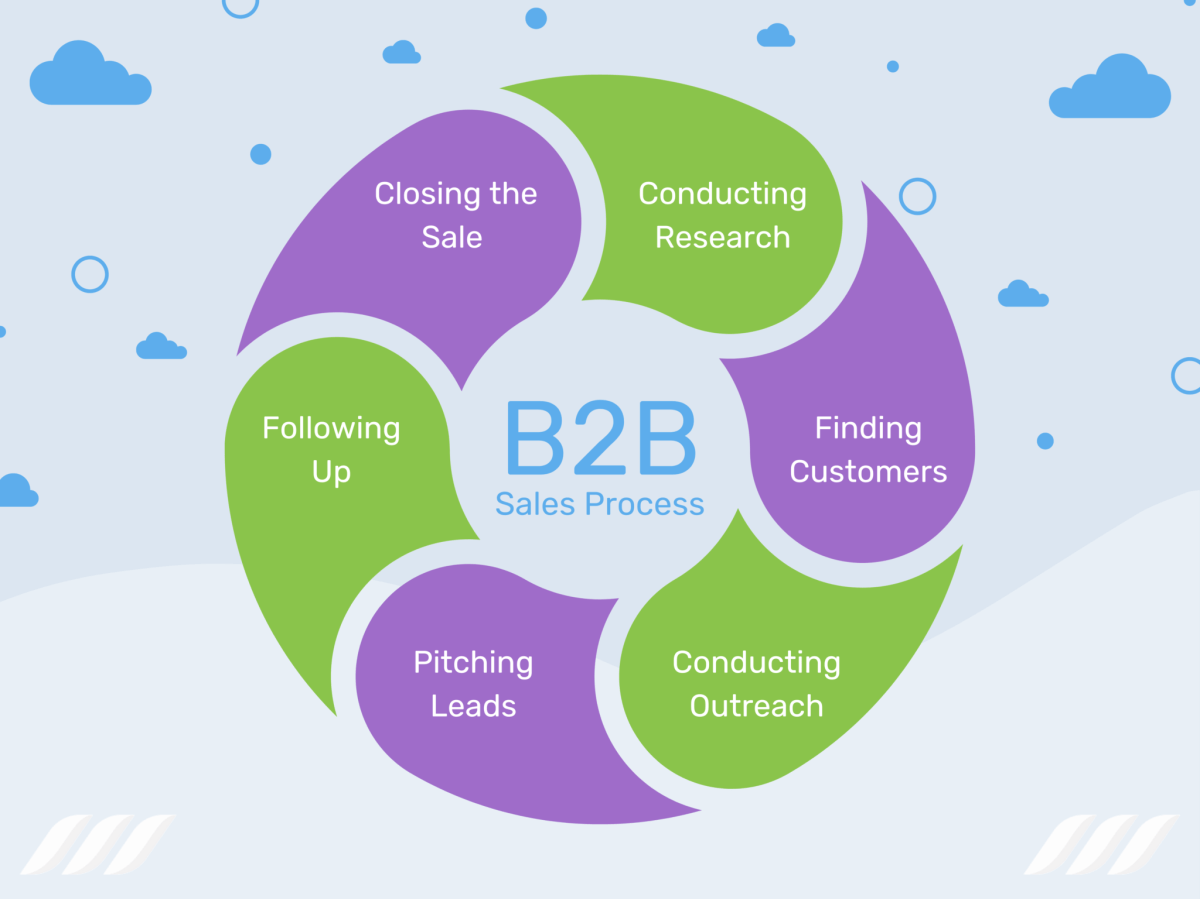
The B2B model thrives on logic, efficiency, and value-driven decision-making. Purchases are rarely impulsive; instead, they involve multiple stakeholders, detailed evaluations, and contractual agreements. The sales cycle is typically longer, but the lifetime value of a client is significantly higher.
- Transactions occur between two or more businesses
- Sales are based on operational or strategic needs
- Decision-making involves procurement teams, executives, and technical evaluators
Key Differences Between B2B and B2C
While B2C targets emotions and individual desires, B2B appeals to logic, cost-efficiency, and scalability. For example, a consumer might buy a laptop because it looks sleek, but a company buys 100 laptops based on durability, warranty, and IT integration.
“In B2B, you’re not just selling a product—you’re selling a solution to a business problem.” — HubSpot
Understanding these distinctions is crucial when analyzing b2b examples across industries. You can learn more about B2B fundamentals at Investopedia’s B2B guide.
Top 7 Real-World B2B Examples That Dominate Markets
Let’s explore some of the most impactful b2b examples that illustrate how companies create value through business partnerships. These cases span technology, manufacturing, logistics, and services—each demonstrating scalability, innovation, and strategic positioning.
1. Salesforce: Cloud-Based CRM for Enterprises
Salesforce is a textbook example of a B2B SaaS (Software as a Service) company. It provides customer relationship management (CRM) tools that help businesses manage sales, marketing, and customer service operations.
- Offers modular platforms like Sales Cloud, Service Cloud, and Marketing Cloud
- Integrates with ERP systems and third-party apps via AppExchange
- Serves Fortune 500 companies and mid-sized firms alike
Salesforce’s success lies in its ability to scale solutions across industries. By focusing on automation, data analytics, and AI-driven insights, it empowers sales teams to close deals faster. Their Einstein AI platform is a prime example of how B2B tech adds tangible value.
2. Intel: Supplying Chips to Tech Giants
Intel doesn’t sell directly to consumers; instead, it powers devices made by companies like Dell, HP, and Lenovo. This makes Intel one of the most influential b2b examples in the semiconductor industry.
- Designs and manufactures microprocessors used in servers, PCs, and data centers
- Partners with OEMs (Original Equipment Manufacturers) globally
- Invests heavily in R&D to maintain technological leadership
Intel’s B2B model relies on long-term contracts, volume-based pricing, and co-engineering with clients. Their partnership with Microsoft during the rise of personal computing exemplifies how B2B alliances can shape entire ecosystems.
3. Siemens: Industrial Automation and Digitalization
Siemens operates across energy, healthcare, and industrial sectors, providing machinery, automation systems, and digital twin technologies to manufacturers worldwide.
- Offers end-to-end solutions for smart factories
- Provides IoT-enabled devices for predictive maintenance
- Collaborates with automotive and aerospace companies on production lines
One notable b2b example is Siemens’ collaboration with BMW to optimize production efficiency using AI and real-time data analytics. This kind of deep integration shows how B2B relationships go beyond simple transactions—they become strategic enablers of innovation.
B2B Examples in the Tech Sector: SaaS and Cloud Services
The tech industry is home to some of the fastest-growing b2b examples, especially in the SaaS and cloud computing space. These companies sell subscriptions rather than one-time products, creating recurring revenue streams and deeper client engagement.
How SaaS Transformed B2B Sales
Before SaaS, businesses had to purchase expensive software licenses and install them on-premise. Today, companies like Zoom, Slack, and Dropbox offer cloud-based tools accessible from anywhere.
- Lower upfront costs for clients
- Scalable pricing based on users or features
- Continuous updates and customer support
This shift has democratized access to enterprise-grade tools, allowing even small firms to adopt powerful systems. According to Gartner, global public cloud spending will reach $678.9 billion in 2024, highlighting the explosive growth of B2B cloud services.
Case Study: Microsoft Azure vs. Amazon Web Services
Both Microsoft Azure and AWS are leaders in the Infrastructure-as-a-Service (IaaS) market. They provide computing power, storage, and networking to businesses that need scalable IT infrastructure.
- AWS dominates with a 32% market share (Synergy Research Group, 2023)
- Azure excels in hybrid cloud solutions, especially for enterprises using Windows Server
- Both offer AI/ML tools, security compliance, and global data centers
These platforms are quintessential b2b examples because they don’t target individual users but enable other companies to build and run applications at scale. For instance, Netflix runs on AWS, while General Electric uses Azure for industrial IoT projects.
“Cloud computing is the backbone of modern B2B technology ecosystems.” — McKinsey & Company
B2B Examples in Manufacturing and Supply Chain
Manufacturing remains a cornerstone of the global economy, and B2B relationships are at the heart of its operations. From raw material suppliers to logistics providers, every link in the chain depends on efficient business partnerships.
Caterpillar: Heavy Machinery for Global Projects
Caterpillar Inc. is a leading manufacturer of construction and mining equipment. While consumers may recognize the yellow bulldozers, most of Caterpillar’s revenue comes from B2B sales.
- Sells excavators, loaders, and engines to contractors and governments
- Offers financing and maintenance services through Cat Financial
- Operates a vast dealer network for local support
One of the standout b2b examples is Caterpillar’s partnership with Bechtel, a major engineering firm involved in infrastructure projects worldwide. By providing reliable machinery and service agreements, Caterpillar ensures project continuity and reduces downtime.
Boeing: Selling Aircraft to Airlines
Boeing doesn’t sell planes to individuals—it sells them to airlines like United, Delta, and Emirates. This makes Boeing one of the most capital-intensive b2b examples in aerospace.
- Each commercial jet costs between $100 million and $400 million
- Sales cycles can last years due to customization and financing negotiations
- After-sales support includes training, spare parts, and maintenance
The relationship between Boeing and its airline clients is highly strategic. For example, when Emirates placed an order for 150 Boeing 777X jets, it wasn’t just a purchase—it was a long-term commitment involving technical collaboration, delivery schedules, and crew training programs.
B2B Examples in Logistics and Distribution
Efficient logistics are critical for global trade, and several companies specialize in moving goods between businesses. These b2b examples highlight how supply chain optimization drives competitiveness.
UPS: Business-Focused Shipping and Fulfillment
While UPS delivers packages to homes, its core revenue comes from B2B logistics services. From warehousing to international freight, UPS enables businesses to operate globally.
- Provides supply chain consulting and inventory management
- Offers UPS Capital for trade financing and insurance
- Integrates with e-commerce platforms like Shopify and Magento
A key b2b example is UPS’s partnership with Walmart. As Walmart expands its e-commerce fulfillment network, UPS handles cross-border shipping, reverse logistics, and last-mile delivery in rural areas—proving that logistics providers are strategic partners, not just couriers.
Maersk: Global Container Shipping Giant
Maersk controls a significant portion of the world’s container shipping capacity. It moves raw materials, finished goods, and retail products between manufacturers, distributors, and retailers.
- Operates over 700 vessels and 7 million containers
- Offers end-to-end digital tracking via Maersk Flow platform
- Partners with companies like IKEA and Unilever for supply chain resilience
In recent years, Maersk has shifted from being a pure shipping company to a comprehensive logistics provider. This evolution reflects a broader trend in b2b examples—where value is added through visibility, reliability, and digital integration.
“In B2B logistics, trust and predictability are worth more than speed alone.” — Harvard Business Review
B2B Examples in Professional Services
Not all B2B companies sell physical products or software. Many thrive by offering expertise, consulting, and specialized services that help other businesses grow.
Deloitte: Consulting for Corporate Transformation
Deloitte is one of the Big Four accounting firms, but its services extend far beyond audits. It advises Fortune 500 companies on strategy, digital transformation, risk management, and mergers & acquisitions.
- Operates in tax, consulting, financial advisory, and legal services
- Uses data analytics and AI to deliver insights
- Works with governments and NGOs on large-scale projects
A notable b2b example is Deloitte’s role in helping AT&T modernize its IT infrastructure. By assessing legacy systems and recommending cloud migration strategies, Deloitte enabled AT&T to reduce costs and improve agility—showcasing how professional services can drive digital transformation.
ADP: Payroll and HR Solutions for Employers
ADP (Automatic Data Processing) provides payroll processing, benefits administration, and HR software to businesses of all sizes.
- Serves over 900,000 clients globally
- Offers compliance support for labor laws in multiple countries
- Integrates with time-tracking and talent management systems
For small businesses, ADP eliminates the complexity of payroll taxes and filings. For large enterprises, it offers enterprise-level HR platforms like ADP Workforce Now. This makes ADP a critical player in the B2B ecosystem, where human capital management is a strategic priority.
Emerging Trends in Modern B2B Examples
The B2B landscape is evolving rapidly due to digital transformation, AI adoption, and changing buyer expectations. Today’s b2b examples reflect a shift toward personalization, automation, and customer-centricity.
AI-Powered Sales and Marketing Platforms
Companies like Gong, HubSpot, and Drift use AI to analyze sales calls, predict customer behavior, and automate lead nurturing.
- Gong records and transcribes sales conversations to improve coaching
- HubSpot uses AI to recommend content and optimize email campaigns
- Drift deploys chatbots to qualify leads in real time
These tools are reshaping how B2B companies engage with prospects. Instead of cold calling, sales teams now rely on data-driven insights to personalize outreach—making the buyer journey more efficient and relevant.
Sustainability as a B2B Differentiator
More companies are prioritizing environmental, social, and governance (ESG) goals. This has led to new b2b examples where sustainability becomes a selling point.
- Interface, a commercial flooring company, sells carbon-negative tiles
- Unilever requires suppliers to meet strict sustainability criteria
- Apple demands that its manufacturing partners use renewable energy
According to a McKinsey report, 70% of B2B buyers consider sustainability when making purchasing decisions. This trend is pushing companies to innovate not just for profit, but for planetary impact.
The Rise of Vertical SaaS Platforms
While general SaaS tools serve broad markets, vertical SaaS platforms cater to specific industries like construction, healthcare, or legal services.
- Procore serves construction firms with project management tools
- Greenhouse specializes in recruiting for tech companies
- Toast provides POS systems for restaurants
These niche platforms understand industry-specific workflows and compliance needs, making them more effective than generic solutions. As a result, they’re becoming dominant b2b examples in their respective sectors.
What are b2b examples?
B2B examples are real-world cases where one business sells products or services to another. Common examples include software providers like Salesforce, manufacturers like Intel, and logistics companies like UPS. These relationships are built on value, scalability, and long-term contracts.
How does B2B differ from B2C?
B2B focuses on solving business problems with logic and ROI, while B2C appeals to emotions and individual needs. B2B sales cycles are longer, involve multiple decision-makers, and prioritize functionality over aesthetics.
Why are SaaS companies dominant in B2B?
SaaS companies dominate B2B because they offer scalable, subscription-based services with low upfront costs. They provide continuous updates, integration capabilities, and measurable performance metrics—making them ideal for enterprise clients.
Can small businesses benefit from B2B models?
Absolutely. Small businesses can act as suppliers, service providers, or technology adopters in B2B ecosystems. For example, a local web design agency serving other businesses is operating under a B2B model.
What role does AI play in modern B2B examples?
AI enhances B2B operations by automating sales, predicting customer behavior, and optimizing supply chains. Platforms like Gong and HubSpot use AI to improve decision-making, reduce manual work, and personalize client interactions.
From tech giants like Salesforce to industrial leaders like Caterpillar, b2b examples illustrate the backbone of the global economy. These relationships are not just about transactions—they’re about collaboration, innovation, and mutual growth. As digital transformation accelerates, the most successful B2B companies will be those that combine technology, sustainability, and deep customer understanding to deliver lasting value.
Further Reading: