Want to turn cold prospects into loyal clients? Mastering b2b lead generation is the ultimate game-changer for sustainable business growth. In this deep dive, we unpack the most effective strategies, tools, and real-world insights to help you generate high-quality leads consistently.
What Is B2B Lead Generation and Why It Matters

B2B lead generation is the process of identifying and attracting businesses that may be interested in your products or services. Unlike B2C, where decisions are often emotional and quick, B2B buying cycles are longer, involve multiple stakeholders, and require more nurturing. That’s why a strategic, data-driven approach is essential.
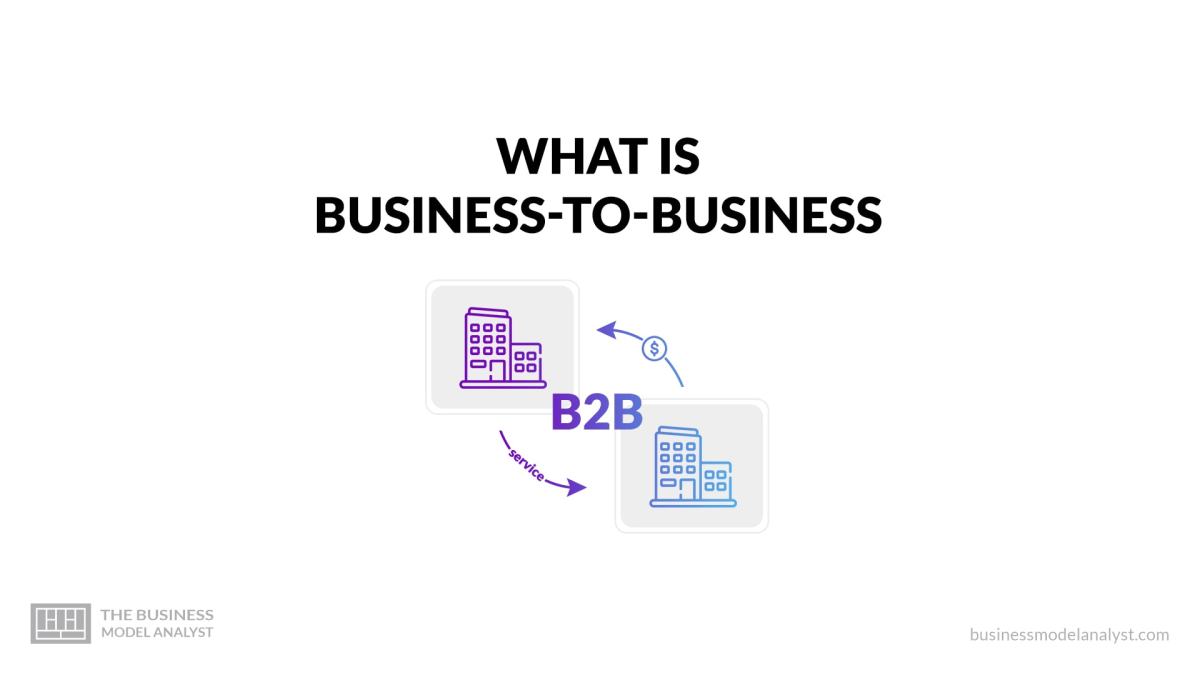
The Core Definition of B2B Lead Generation
At its heart, b2b lead generation is about creating a pipeline of potential customers—leads—who have shown interest in what you offer. These leads are typically captured through content downloads, form submissions, webinar sign-ups, or direct outreach.
- Leads are categorized as Marketing Qualified Leads (MQLs) or Sales Qualified Leads (SQLs) based on engagement and intent.
- The goal is not just volume, but quality—high-intent leads that convert into paying customers.
- Effective b2b lead generation aligns marketing and sales teams around shared KPIs.
Why B2B Lead Generation Drives Business Growth
Without a steady flow of leads, even the best product can fail. B2B lead generation fuels revenue by ensuring a consistent pipeline. According to HubSpot, companies with strong lead generation strategies grow 2.5x faster than their peers (HubSpot Research).
“Revenue growth starts with a predictable lead engine. If you can’t generate leads, you can’t scale.” — Brian Halligan, CEO of HubSpot
- Supports long-term customer acquisition and retention.
- Enables better forecasting and resource planning.
- Builds brand authority and trust in niche markets.
7 Proven B2B Lead Generation Strategies That Work in 2024
The digital landscape has transformed how businesses connect with decision-makers. From AI-powered outreach to hyper-targeted content, today’s most successful companies use a mix of traditional and innovative tactics. Here are seven battle-tested strategies for b2b lead generation that deliver results.
1. Content Marketing with High-Intent Offers
Content remains king in b2b lead generation. But not all content is created equal. The key is to create assets that solve real problems and require users to exchange contact information to access them.
- E-books, whitepapers, and industry reports are top-performing lead magnets.
- Webinars offer live engagement and immediate qualification opportunities.
- Case studies build credibility by showcasing real-world success stories.
For example, a SaaS company offering CRM software might create a guide titled “How to Reduce Sales Cycle Time by 40%”—a high-value offer that attracts qualified leads. Platforms like Content Marketing Institute provide frameworks for building content that converts.
2. LinkedIn Lead Gen Forms and Ads
LinkedIn is the #1 platform for b2b lead generation. With over 900 million users, including 63 million decision-makers, it’s the go-to place for reaching professionals.
- LinkedIn Lead Gen Forms reduce friction by auto-filling user data, increasing conversion rates by up to 200%.
- Sponsored content and InMail campaigns allow precise targeting by job title, industry, and company size.
- Retargeting website visitors via LinkedIn Ads boosts recall and engagement.
According to LinkedIn’s internal data, Lead Gen Forms have a 3x higher conversion rate compared to traditional landing pages. For best practices, check out LinkedIn Marketing Solutions.
3. Account-Based Marketing (ABM)
ABM flips traditional b2b lead generation on its head. Instead of casting a wide net, you target specific high-value accounts with personalized campaigns.
- Identify ideal customer profiles (ICPs) using firmographic and technographic data.
- Create tailored content, ads, and outreach for each account.
- Align sales and marketing teams to engage key stakeholders simultaneously.
ABM can increase conversion rates by up to 50% and reduce sales cycles. A study by ITSMA found that 87% of companies practicing ABM outperformed their peers in revenue growth. Learn more at ABM Institute.
4. SEO-Driven Organic Lead Generation
While paid channels deliver quick wins, SEO is the backbone of sustainable b2b lead generation. Ranking for high-intent keywords ensures visibility when prospects are actively searching.
- Optimize for long-tail keywords like “best CRM for mid-sized manufacturing companies.”
- Create pillar content and topic clusters to dominate search results.
- Build backlinks from authoritative industry sites to boost domain authority.
Tools like Ahrefs and SEMrush help identify keyword opportunities and track rankings. According to Backlinko, pages on the first page of Google have an average of 3.8 backlinks. For advanced SEO tactics, visit Backlinko.
5. Cold Email Outreach with Hyper-Personalization
When done right, cold email remains one of the most cost-effective b2b lead generation methods. The secret? Personalization at scale.
- Use prospect’s name, company, recent news, and pain points in the subject line and body.
- Keep emails short, value-driven, and include a clear CTA.
- Leverage tools like Mailshake or Lemlist to automate follow-ups.
A study by Yesware found that personalized subject lines increase open rates by 50%. The most effective emails reference a specific challenge the prospect faces. For templates and best practices, see Yesware Resources.
6. Webinars and Virtual Events
Webinars combine education and engagement, making them powerful tools for b2b lead generation. They allow you to showcase expertise while capturing high-intent leads.
- Promote webinars via email, social media, and paid ads.
- Use registration forms to collect lead data.
- Follow up with attendees and no-shows using automated sequences.
On average, webinars generate 3x more leads than standard content downloads. GoToWebinar reports that 60% of attendees are willing to share contact info for valuable content. Explore GoToWebinar for event hosting solutions.
7. Strategic Partnerships and Co-Marketing
Partnering with complementary businesses can exponentially expand your reach. Co-marketing allows you to tap into established audiences without starting from scratch.
- Co-host webinars, publish joint reports, or run shared ad campaigns.
- Offer referral incentives for partners who bring in qualified leads.
- Integrate with platforms your customers already use (e.g., Slack, Salesforce).
For example, a cybersecurity firm might partner with a cloud hosting provider to offer bundled solutions. This not only generates leads but also builds trust through association.
Essential Tools for Scaling B2B Lead Generation
Technology plays a critical role in modern b2b lead generation. From CRM systems to AI-powered analytics, the right tools can automate workflows, improve targeting, and increase conversion rates.
CRM and Marketing Automation Platforms
A robust CRM is the foundation of any lead generation strategy. It helps track interactions, score leads, and nurture prospects through the funnel.
- HubSpot offers an all-in-one platform for marketing, sales, and service.
- Salesforce provides advanced customization and scalability for enterprise teams.
- Marketo excels in complex email automation and lead nurturing.
Integration with email, social, and ad platforms ensures seamless data flow. For a comprehensive comparison, visit G2 CRM Software.
Lead Intelligence and Enrichment Tools
Knowing who your leads are is half the battle. Lead enrichment tools add valuable data like job title, company size, and technographics to improve targeting.
- Clearbit provides real-time company and contact data.
- ZoomInfo offers one of the largest B2B databases with accurate contact info.
- Lusha integrates with LinkedIn to capture leads directly from profiles.
These tools help personalize outreach and increase response rates. According to ZoomInfo, enriched leads convert 30% faster than unenriched ones.
Analytics and Attribution Platforms
Without measurement, you can’t optimize. Analytics tools help you understand which channels and campaigns drive the most qualified leads.
- Google Analytics tracks website behavior and conversion paths.
- HubSpot Attribution shows how each touchpoint contributes to a deal.
- Windsor.ai automates data integration across platforms for unified reporting.
Multi-touch attribution models are especially valuable in B2B, where the buyer journey spans weeks or months.
Common B2B Lead Generation Mistakes to Avoid
Even experienced marketers fall into traps that undermine their b2b lead generation efforts. Recognizing these pitfalls early can save time, budget, and lost opportunities.
Targeting Too Broadly
One of the biggest mistakes is trying to appeal to everyone. Generic messaging fails to resonate with specific pain points.
- Solution: Define your Ideal Customer Profile (ICP) with precision.
- Use data from existing customers to identify patterns in industry, size, and behavior.
- Focus on niches where you can dominate, not dilute.
Neglecting Lead Nurturing
Only 2% of leads convert on first contact. The rest need consistent nurturing to build trust and move down the funnel.
- Solution: Implement automated email sequences with educational content.
- Use lead scoring to prioritize follow-ups based on engagement.
- Personalize messages based on behavior (e.g., downloaded a pricing guide).
“It takes an average of 8 touchpoints to convert a B2B lead. Don’t give up too soon.” — MarketingSherpa
Poor Sales and Marketing Alignment
When sales and marketing teams work in silos, lead quality suffers. Misalignment leads to wasted effort and lost revenue.
- Solution: Establish Service Level Agreements (SLAs) between teams.
- Hold regular sync meetings to review lead performance.
- Use shared KPIs like conversion rate and customer acquisition cost.
How to Measure the Success of Your B2B Lead Generation Campaigns
Generating leads is only half the battle. Measuring performance ensures you’re investing in what works and optimizing what doesn’t.
Key Metrics to Track
To evaluate your b2b lead generation efforts, focus on these core metrics:
- Lead Conversion Rate: Percentage of leads that become customers.
- Cost Per Lead (CPL): Total spend divided by number of leads generated.
- Customer Acquisition Cost (CAC): Total sales and marketing cost to acquire a customer.
- Lead-to-Customer Ratio: How many leads turn into paying clients.
- Return on Ad Spend (ROAS): Revenue generated per dollar spent on ads.
Setting Up a Dashboard for Real-Time Insights
A centralized dashboard gives your team instant visibility into campaign performance.
- Use Google Data Studio or Tableau to visualize key metrics.
- Integrate data from CRM, email, ads, and website analytics.
- Set up alerts for sudden drops in lead volume or conversion rates.
Regular reporting helps identify trends and make data-driven decisions.
The Role of AI in Modern B2B Lead Generation
Artificial intelligence is transforming how companies find, engage, and convert leads. From predictive scoring to chatbots, AI enhances efficiency and personalization.
AI-Powered Lead Scoring
Traditional lead scoring relies on manual rules. AI uses machine learning to analyze behavior, engagement, and historical data to predict which leads are most likely to convert.
- Tools like Infer and MadKudu offer predictive lead scoring.
- AI models improve over time as they ingest more data.
- Reduces guesswork and focuses sales efforts on high-potential leads.
Chatbots and Conversational Marketing
Chatbots provide instant responses to website visitors, capturing leads 24/7.
- Drift and Intercom enable real-time conversations with qualified leads.
- AI-driven bots qualify leads by asking questions and scheduling meetings.
- Reduces response time from hours to seconds.
According to Drift, companies using conversational marketing see a 30% increase in qualified leads.
Content Generation and Personalization
AI tools like Jasper and Copy.ai help create personalized email copy, ad copy, and landing pages at scale.
- Generate variations of subject lines and CTAs to A/B test.
- Personalize website content based on visitor profile.
- Speed up content production without sacrificing quality.
Future Trends in B2B Lead Generation
The future of b2b lead generation is hyper-personalized, data-driven, and increasingly automated. Staying ahead means embracing emerging technologies and shifting buyer behaviors.
Rise of Intent Data
Intent data reveals when prospects are actively researching solutions—giving you a competitive edge.
- Providers like Bombora and 6sense track online behavior across millions of sites.
- Allows you to target accounts showing buying intent before they contact you.
- Boosts conversion rates by engaging leads at the right moment.
Video and Interactive Content
Static content is losing ground to dynamic formats. Video demos, interactive calculators, and quizzes boost engagement and capture leads.
- Video emails have 300% higher click-through rates.
- Interactive tools like ROI calculators provide value and collect data.
- Platforms like Vidyard and Wistia support personalized video outreach.
Privacy-First Lead Generation
With increasing regulations (GDPR, CCPA) and cookie deprecation, marketers must adapt.
- Focus on first-party data collection through gated content and consent forms.
- Build trust by being transparent about data usage.
- Invest in zero-party data strategies where users willingly share preferences.
What is the most effective b2b lead generation strategy?
There’s no one-size-fits-all answer, but a combination of content marketing, LinkedIn outreach, and account-based marketing tends to deliver the highest ROI. The best strategy depends on your industry, audience, and resources.
How long does it take to see results from b2b lead generation?
Most strategies take 3–6 months to gain traction. SEO and content marketing require time to rank, while paid ads and cold email can yield quicker results. Consistency and optimization are key.
How do you qualify b2b leads effectively?
Use a lead scoring model based on demographic fit (job title, company size) and behavioral signals (content downloads, website visits). Combine this with sales feedback to refine your criteria.
Should I outsource b2b lead generation?
Outsourcing can be effective if you lack internal expertise or bandwidth. However, ensure alignment with your brand voice and maintain oversight to protect lead quality.
What’s the difference between MQLs and SQLs?
Marketing Qualified Leads (MQLs) have shown interest but aren’t ready to buy. Sales Qualified Leads (SQLs) have been vetted by sales and meet specific criteria for a sales conversation.
B2B lead generation is not a one-off campaign but a continuous engine for growth. By leveraging proven strategies like content marketing, LinkedIn ads, ABM, and AI-powered tools, you can build a predictable pipeline of high-quality leads. Avoid common pitfalls like poor targeting and lack of nurturing, and focus on metrics that matter—conversion rates, CAC, and ROI. The future belongs to those who embrace intent data, personalization, and privacy-first approaches. Start small, test relentlessly, and scale what works. Your next big client is just one lead away.
Further Reading:
