Ever wonder why some companies seem to effortlessly close big deals while others struggle to get a meeting? The secret often lies in their mastery of b2b marketing—strategic, data-driven, and relationship-focused.
What Is B2B Marketing and Why It Matters

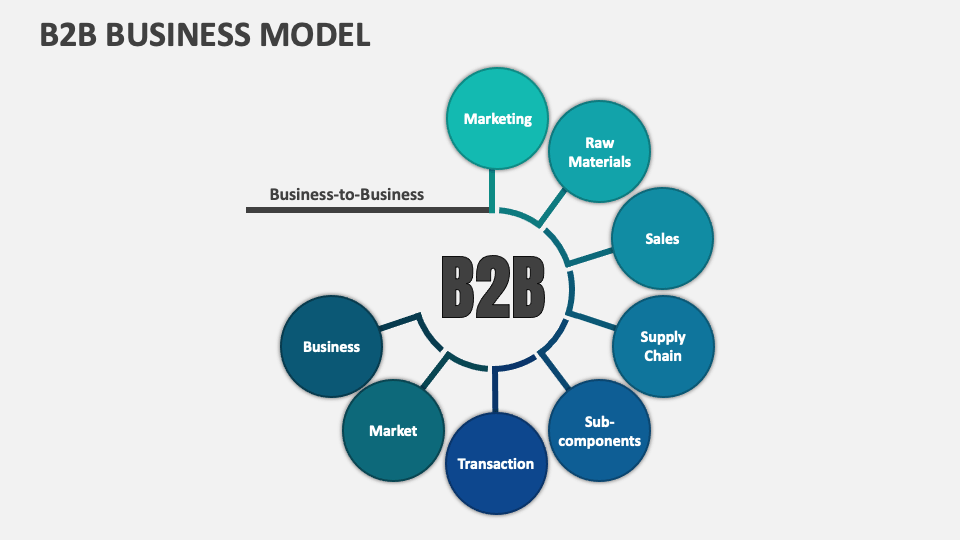
B2B marketing, or business-to-business marketing, refers to the strategies and tactics companies use to sell products or services to other businesses rather than individual consumers. Unlike B2C (business-to-consumer) marketing, which often relies on emotion and impulse, b2b marketing is grounded in logic, ROI, and long-term value.

The Core Principles of B2B Marketing
At its heart, b2b marketing revolves around solving business problems. Whether it’s streamlining operations, reducing costs, or improving efficiency, every campaign must speak directly to the pain points of decision-makers within organizations.
- Focus on value over features
- Target decision-makers, not just users
- Build trust through credibility and proof
According to Forrester Research, 74% of B2B buyers conduct more than half of their research online before engaging with a sales representative. This shift underscores the importance of digital presence in modern b2b marketing.
How B2B Differs from B2C Marketing
While both aim to drive sales, b2b marketing and B2C marketing differ significantly in audience, process, and messaging. In B2C, the buyer is often an individual making a quick decision based on emotion or desire. In contrast, b2b marketing involves multiple stakeholders, longer sales cycles, and a need for detailed information.
- Sales cycles are longer in b2b marketing—often spanning weeks or months
- Purchasing decisions are made by committees, not individuals
- Content must be educational and data-backed
“In B2B, you’re not just selling a product—you’re selling confidence in a business outcome.” — HubSpot
Key Components of a Successful B2B Marketing Strategy
A winning b2b marketing strategy isn’t built overnight. It requires a clear understanding of your market, a well-defined value proposition, and the right mix of channels and content. Let’s break down the essential components that form the backbone of effective b2b marketing.
Defining Your Target Audience and Buyer Personas
One of the first steps in any b2b marketing plan is identifying who you’re trying to reach. This goes beyond job titles—it involves understanding the goals, challenges, and decision-making processes of your ideal customers.
Creating detailed buyer personas helps tailor messaging and content to resonate with specific roles like CTOs, procurement managers, or operations directors. Tools like LinkedIn Sales Navigator can provide valuable insights into professional behavior and interests.
- Conduct interviews with existing clients
- Analyze CRM data for patterns
- Use surveys to uncover pain points
Developing a Strong Value Proposition
Your value proposition is the cornerstone of your b2b marketing message. It answers the critical question: Why should a business choose you over competitors?
A compelling value proposition is clear, specific, and results-oriented. For example, instead of saying “We offer cloud solutions,” say “We reduce your IT infrastructure costs by 40% with secure, scalable cloud migration.”
- Highlight measurable outcomes
- Address industry-specific challenges
- Communicate differentiation clearly
Aligning Sales and Marketing Teams
One of the biggest hurdles in b2b marketing is the disconnect between sales and marketing. When these teams operate in silos, leads fall through the cracks and messaging becomes inconsistent.
Successful b2b marketing organizations foster collaboration through shared goals, regular meetings, and integrated tools like CRM platforms. According to Salesforce, companies with strong sales and marketing alignment achieve 36% higher customer retention and 38% higher sales win rates.
- Implement Service Level Agreements (SLAs) between teams
- Use shared KPIs like lead conversion rate
- Hold joint planning sessions quarterly
Leveraging Digital Channels in B2B Marketing
The digital landscape has transformed b2b marketing. Today, buyers expect seamless online experiences—from discovery to evaluation to purchase. A strong digital presence is no longer optional; it’s essential.
Website Optimization for B2B Buyers
Your website is often the first impression potential clients have of your company. In b2b marketing, it must serve as a hub of credibility, information, and lead generation.
Optimize your site with clear navigation, case studies, product demos, and contact options. Ensure fast loading times and mobile responsiveness. Google reports that 53% of mobile site visits are abandoned if pages take longer than three seconds to load.
- Include detailed service or product pages
- Add customer testimonials and trust badges
- Integrate live chat for instant engagement
Content Marketing: The Engine of B2B Growth
Content is king in b2b marketing. From whitepapers and e-books to webinars and blog posts, content educates prospects and positions your brand as a thought leader.
According to the Content Marketing Institute, 91% of B2B marketers use content marketing to reach customers, with 72% citing it as more effective than traditional advertising.
- Create gated content to capture leads
- Repurpose content across formats (e.g., blog → video → infographic)
- Use SEO to increase organic visibility
“People don’t buy products; they buy better versions of themselves.” — Seth Godin (applies even in B2B)
Email Marketing and Automation
Email remains one of the most effective tools in b2b marketing. When combined with automation, it allows for personalized, timely communication at scale.
Use email sequences to nurture leads through the funnel—from awareness to consideration to decision. Platforms like HubSpot and Marketo enable segmentation, behavioral triggers, and performance tracking.
- Send targeted content based on user behavior
- Use A/B testing to optimize subject lines and CTAs
- Track open rates, click-through rates, and conversions
The Role of Data and Analytics in B2B Marketing
In the world of b2b marketing, intuition isn’t enough. Data drives decisions, optimizes campaigns, and proves ROI. Without analytics, you’re flying blind.
Tracking Key Performance Indicators (KPIs)
To measure the success of your b2b marketing efforts, you need to track the right metrics. Common KPIs include:
- Lead conversion rate
- Customer acquisition cost (CAC)
- Return on ad spend (ROAS)
- Website traffic and engagement
- Marketing qualified leads (MQLs)
These metrics help you understand what’s working and where to allocate resources. For example, if your cost per lead is rising but conversion rates are flat, it may be time to reevaluate your targeting or messaging.
Using CRM and Marketing Automation Tools
Customer Relationship Management (CRM) systems like Salesforce and Zoho CRM are central to modern b2b marketing. They store customer data, track interactions, and provide insights into buyer behavior.
When integrated with marketing automation tools, CRMs enable personalized journeys, lead scoring, and closed-loop reporting. This integration ensures that every touchpoint—from a website visit to an email click—is recorded and analyzed.
- Automate lead nurturing workflows
- Score leads based on engagement and fit
- Sync data between marketing and sales platforms
Implementing Account-Based Marketing (ABM)
Account-Based Marketing (ABM) is a strategic approach in b2b marketing where marketing and sales teams collaborate to target high-value accounts with personalized campaigns.
Instead of casting a wide net, ABM focuses on a select group of companies, treating each as a market of one. This hyper-targeted strategy increases engagement and shortens sales cycles.
- Identify target accounts using firmographic and technographic data
- Create custom content and ads for each account
- Engage decision-makers with direct outreach
A study by ABM Institute found that 87% of marketers report higher ROI from ABM than from other marketing investments.
Social Media and Thought Leadership in B2B Marketing
Social media is no longer just for B2C brands. In fact, platforms like LinkedIn have become powerful tools in b2b marketing, enabling networking, brand building, and lead generation.
Why LinkedIn Dominates B2B Marketing
LinkedIn is the go-to platform for b2b marketing professionals. With over 900 million users, including executives, managers, and industry experts, it offers unparalleled access to decision-makers.
Companies use LinkedIn to share insights, publish articles, run targeted ads, and engage in industry conversations. According to LinkedIn Business, LinkedIn generates 80% of B2B leads from social media.
- Publish long-form content to showcase expertise
- Use LinkedIn Ads to target by job title, company size, and industry
- Engage with comments and messages to build relationships
Building Thought Leadership Through Content
Thought leadership is a cornerstone of effective b2b marketing. It’s about being seen as a trusted advisor, not just a vendor.
By sharing original research, industry trends, and strategic insights, companies can differentiate themselves and earn credibility. For example, publishing an annual industry report can position your brand as an authority.
- Speak at webinars and virtual events
- Contribute guest articles to industry publications
- Host podcasts or video series on key topics
“People will forget what you said, people will forget what you did, but people will never forget how you made them feel.” — Maya Angelou (applies to brand experience in b2b marketing)
Measuring and Optimizing B2B Marketing ROI
Ultimately, every b2b marketing initiative must demonstrate value. Measuring ROI ensures accountability and guides future investment.
Calculating Marketing ROI
Marketing ROI is calculated as: (Revenue from Marketing – Cost of Marketing) / Cost of Marketing. For example, if a campaign generates $100,000 in revenue and costs $20,000, the ROI is 400%.
However, in b2b marketing, attribution can be complex due to long sales cycles. Multi-touch attribution models help assign credit to various touchpoints along the buyer’s journey.
- Use UTM parameters to track campaign sources
- Implement marketing analytics platforms like Google Analytics 4
- Align with sales data to close the loop
Continuous Testing and Optimization
B2B marketing is not a set-it-and-forget-it activity. Continuous improvement through A/B testing, user feedback, and performance reviews is critical.
Test everything—from email subject lines to landing page designs. Even small changes can lead to significant improvements in conversion rates.
- Run A/B tests on CTAs, headlines, and visuals
- Use heatmaps and session recordings to understand user behavior
- Iterate based on data, not assumptions
Emerging Trends Shaping the Future of B2B Marketing
The b2b marketing landscape is evolving rapidly. Staying ahead requires awareness of emerging trends and the agility to adapt.
The Rise of AI and Predictive Analytics
Artificial Intelligence (AI) is transforming b2b marketing by enabling hyper-personalization, predictive lead scoring, and automated content creation.
AI-powered tools can analyze vast amounts of data to predict which leads are most likely to convert, recommend content, and even draft emails. Platforms like Drift and Salesloft use AI to enhance engagement and efficiency.
- Use chatbots for instant customer support
- Leverage AI for dynamic content personalization
- Adopt predictive analytics for smarter targeting
Video Marketing in B2B
Video is no longer just for entertainment. In b2b marketing, video is a powerful tool for explaining complex products, showcasing customer success stories, and building trust.
According to Wyzowl, 91% of businesses use video as a marketing tool, and 96% say it helps increase user understanding of their product or service.
- Create product demos and explainer videos
- Produce customer testimonial videos
- Live stream webinars and product launches
Sustainability and Ethical Marketing
Today’s B2B buyers care about more than just price and performance. They want to partner with companies that align with their values—especially around sustainability and ethics.
Incorporating ESG (Environmental, Social, and Governance) principles into your b2b marketing can enhance brand reputation and loyalty. A McKinsey survey found that 70% of B2B decision-makers consider sustainability when making purchasing decisions.
- Highlight eco-friendly practices in your messaging
- Report on carbon footprint reduction
- Partner with socially responsible organizations
What is the difference between B2B and B2C marketing?
The main difference lies in the audience and decision-making process. B2B marketing targets businesses with longer sales cycles, multiple stakeholders, and a focus on ROI and efficiency. B2C marketing targets individual consumers with shorter cycles, emotional appeals, and mass-market messaging.
How important is content in B2B marketing?
Extremely important. Content is the foundation of trust and education in b2b marketing. It helps prospects understand complex solutions, compare options, and justify purchases to their teams. High-quality content like whitepapers, case studies, and webinars drives lead generation and nurtures relationships.
What are the best channels for B2B marketing?
The most effective channels include LinkedIn, email marketing, SEO-optimized websites, content marketing (blogs, e-books), and account-based marketing. Webinars and virtual events have also gained prominence, especially post-pandemic.
How do you measure the success of a B2B marketing campaign?
Success is measured through KPIs like lead conversion rate, customer acquisition cost, marketing qualified leads, sales cycle length, and ROI. Closed-loop reporting that connects marketing efforts to actual sales outcomes provides the clearest picture of performance.
What is Account-Based Marketing (ABM) and why is it effective?
ABM is a strategic approach where marketing and sales teams target high-value accounts with personalized campaigns. It’s effective because it focuses resources on the most promising prospects, increases engagement, shortens sales cycles, and delivers higher ROI compared to broad-based tactics.
B2B marketing is a dynamic, data-driven discipline that demands strategy, precision, and adaptability. From defining your audience to leveraging AI and video, the most successful companies treat marketing as a growth engine, not just a cost center. By focusing on value, building trust, and aligning with sales, you can create a b2b marketing strategy that drives measurable results and sustainable growth.
Further Reading:
