Looking to supercharge your B2B marketing strategy? You’re not alone. In today’s hyper-competitive landscape, a smart, data-driven approach isn’t just helpful—it’s essential. Let’s dive into the tactics that actually move the needle.
B2B Marketing Strategy: Understanding the Core Principles

Before jumping into tactics, it’s crucial to understand what sets B2B marketing apart from its B2C counterpart. Unlike consumer marketing, which often relies on emotion and impulse, B2B marketing strategy is rooted in logic, relationships, and long-term value. The sales cycle is longer, the decision-making process involves multiple stakeholders, and the ROI must be clearly measurable.


Defining B2B Marketing Strategy
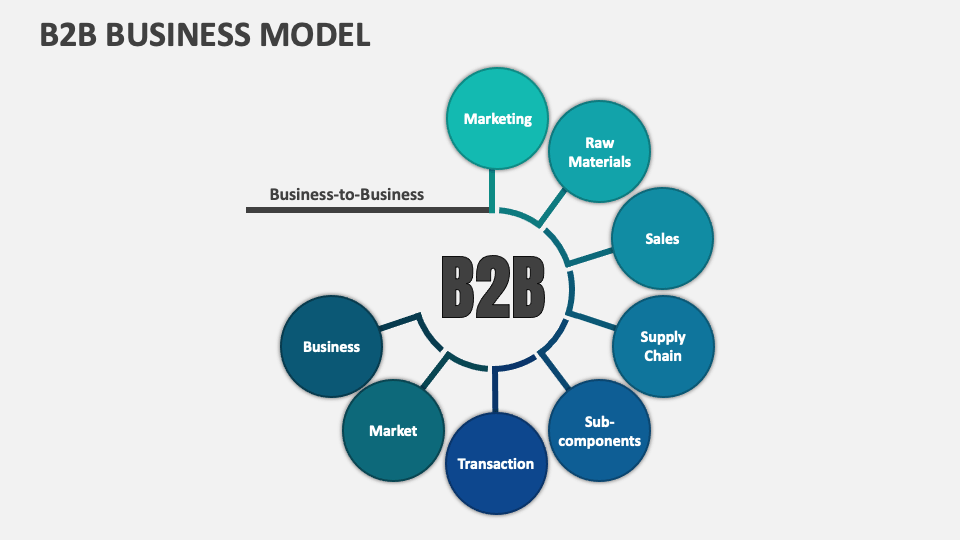
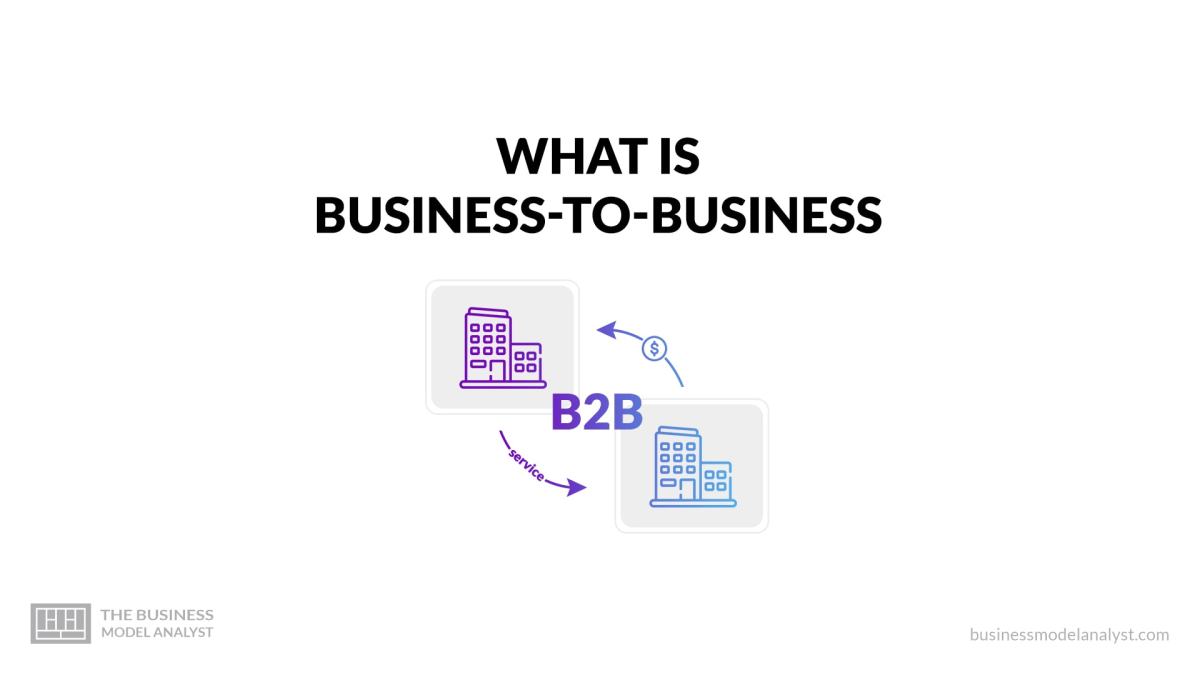
A B2B marketing strategy is a comprehensive plan that outlines how a business will reach and convert other businesses into customers. It includes identifying target markets, positioning the brand, selecting channels, and aligning sales and marketing efforts. According to the HubSpot B2B Marketing Report, companies with documented marketing strategies are 313% more likely to report success.
- It focuses on solving business problems, not just selling products.
- It emphasizes trust, credibility, and thought leadership.
- It aligns closely with sales teams to ensure lead quality and conversion.
Key Differences Between B2B and B2C Marketing
While both aim to drive revenue, B2B marketing strategy operates under different dynamics. B2C often targets individual consumers with emotional appeals, whereas B2B targets organizations with rational, data-backed propositions.
- Audience: B2B deals with multiple decision-makers (e.g., procurement, finance, IT), while B2C typically targets one buyer.
- Sales Cycle: B2B cycles can last months or even years; B2C decisions are often immediate.
- Content Needs: B2B buyers require in-depth content like whitepapers and case studies; B2C thrives on visuals and short-form content.
“B2B marketing isn’t about shouting the loudest—it’s about being the most trusted voice in the room.” — Ann Handley, Chief Content Officer at MarketingProfs
Developing a Data-Driven B2B Marketing Strategy
Modern B2B marketing strategy thrives on data. Gone are the days of guessing what works. Today, successful marketers use analytics to guide every decision—from audience segmentation to campaign optimization.
Importance of Market Research and Customer Insights
Effective B2B marketing strategy starts with deep market research. Understanding your ideal customer profile (ICP) and buyer personas is non-negotiable. Tools like LinkedIn Sales Navigator and ZoomInfo help identify key decision-makers and their pain points.
- Conduct surveys and interviews with existing clients.
- Analyze CRM data to spot trends in lead behavior.
- Use intent data platforms like Bombora to detect buying signals.
Leveraging Analytics for Strategy Optimization
Google Analytics, HubSpot, and Salesforce provide real-time insights into campaign performance. By tracking metrics like lead conversion rate, customer acquisition cost (CAC), and lifetime value (LTV), marketers can refine their B2B marketing strategy continuously.
- Set up UTM parameters to track campaign sources accurately.
- Use A/B testing to optimize email subject lines and landing pages.
- Implement attribution modeling to understand which channels drive the most value.
Content Marketing as a Pillar of B2B Marketing Strategy
If there’s one element that consistently delivers ROI in B2B marketing strategy, it’s content marketing. According to the Content Marketing Institute, 91% of B2B marketers use content to reach customers.
Creating High-Value, Educational Content
B2B buyers are researchers. They consume an average of 13 pieces of content before making a decision. Your content must educate, not just promote.
- Develop whitepapers that solve industry-specific challenges.
- Produce case studies showcasing real-world results.
- Write in-depth blog posts that answer common buyer questions.
Content Distribution and Amplification
Creating great content isn’t enough—you need to get it in front of the right people. A solid B2B marketing strategy includes a distribution plan.
- Share content on LinkedIn and industry forums.
- Repurpose blog posts into infographics or videos.
- Use email nurturing sequences to deliver content based on buyer stage.
“Content is the atomic unit of marketing. Without it, nothing moves.” — Joe Pulizzi, Founder of Content Marketing Institute
Leveraging Account-Based Marketing in Your B2B Marketing Strategy
Account-Based Marketing (ABM) is one of the most powerful evolutions in B2B marketing strategy. Instead of casting a wide net, ABM focuses on targeting high-value accounts with personalized campaigns.
What Is Account-Based Marketing?
ABM treats individual accounts as markets of one. It aligns sales and marketing teams to create hyper-personalized experiences for key prospects. Research by ABM Institute shows that 87% of marketers report higher ROI from ABM than from other marketing investments.
- Identify target accounts based on firmographics and intent data.
- Create custom content and landing pages for each account.
- Use direct mail, personalized emails, and social selling to engage decision-makers.
Integrating Sales and Marketing for ABM Success
ABM only works when sales and marketing are aligned. A shared definition of a qualified lead and regular collaboration are critical.
- Hold joint planning sessions to define target accounts.
- Use shared dashboards to track engagement and pipeline progress.
- Implement SLAs (Service Level Agreements) between teams to ensure accountability.
Digital Channels That Power Your B2B Marketing Strategy
No modern B2B marketing strategy is complete without a strong digital presence. From SEO to social media, digital channels offer scalable ways to generate leads and build brand authority.
Search Engine Optimization (SEO) for B2B
SEO remains one of the highest-ROI activities in B2B marketing strategy. Over 70% of B2B buyers start their journey with a search engine.
- Optimize for long-tail, intent-rich keywords (e.g., “best CRM for mid-sized manufacturing companies”).
- Create pillar pages and topic clusters to establish topical authority.
- Ensure technical SEO is flawless—fast load times, mobile optimization, and secure HTTPS.
LinkedIn and Social Selling
LinkedIn is the #1 platform for B2B marketing strategy. With over 900 million users, it’s where decision-makers spend their time.
- Optimize company pages and employee profiles for search.
- Engage in industry groups and comment on relevant posts.
- Use LinkedIn Ads to target by job title, company size, and industry.
Email Marketing and Automation
Email is still the most effective channel for nurturing B2B leads. When combined with marketing automation, it becomes a powerhouse in any B2B marketing strategy.
- Segment your list based on behavior, industry, or lifecycle stage.
- Use drip campaigns to guide prospects through the funnel.
- Personalize subject lines and content using dynamic fields.
Measuring Success: KPIs and Metrics in B2B Marketing Strategy
What gets measured gets managed. A successful B2B marketing strategy relies on tracking the right key performance indicators (KPIs) to assess effectiveness and drive continuous improvement.
Essential B2B Marketing KPIs
Not all metrics are created equal. Focus on those that directly impact revenue and growth.
- Lead Conversion Rate: Percentage of leads that become customers.
- Customer Acquisition Cost (CAC): Total marketing spend divided by new customers acquired.
- Marketing Qualified Leads (MQLs): Leads deemed ready for sales follow-up.
- Return on Ad Spend (ROAS): Revenue generated per dollar spent on advertising.
Marketing Attribution Models
Understanding which channels contribute to conversions is vital. Attribution models help allocate credit fairly across touchpoints.
- First-Touch: Credits the first interaction.
- Last-Touch: Credits the final click before conversion.
- Multi-Touch: Distributes credit across multiple touchpoints (e.g., linear, time decay).
“In God we trust; all others must bring data.” — W. Edwards Deming
Emerging Trends Shaping the Future of B2B Marketing Strategy
The B2B marketing landscape is evolving rapidly. Staying ahead requires embracing innovation and anticipating shifts in buyer behavior.
The Rise of AI and Predictive Analytics
Artificial intelligence is transforming B2B marketing strategy by enabling hyper-personalization and predictive lead scoring.
- AI-powered chatbots qualify leads 24/7.
- Predictive analytics identify which accounts are most likely to convert.
- Tools like Drift and HubSpot use AI to recommend content and timing.
Video Marketing and Interactive Content
Video is no longer optional. 96% of B2B buyers watch videos during the research phase.
- Create product demos, customer testimonials, and explainer videos.
- Use interactive content like quizzes and calculators to boost engagement.
- Host live webinars to generate high-intent leads.
Sustainability and Purpose-Driven Marketing
B2B buyers increasingly care about a company’s values. A strong B2B marketing strategy now includes messaging around sustainability, diversity, and corporate responsibility.
- Highlight eco-friendly practices in your supply chain.
- Share CSR initiatives in annual reports and blogs.
- Align with partners who share your ethical standards.
What is the most important element of a B2B marketing strategy?
The most important element is alignment between sales and marketing. Without this, even the best campaigns will underperform. A shared understanding of the ideal customer, clear communication, and joint goal-setting are essential for success.
How long does a typical B2B marketing strategy take to show results?
Most B2B marketing strategies take 6–12 months to show significant results, especially for content and SEO efforts. Paid channels like LinkedIn Ads can yield faster results, but sustainable growth requires patience and consistency.
Can small businesses implement a B2B marketing strategy effectively?
Absolutely. Small businesses can leverage cost-effective tools like email marketing, SEO, and LinkedIn to execute a powerful B2B marketing strategy. Focus on niche markets, build relationships, and deliver exceptional value to compete with larger players.
What role does storytelling play in B2B marketing strategy?
Storytelling humanizes your brand and makes complex solutions relatable. Case studies, customer journeys, and founder stories help build emotional connections, even in B2B contexts where logic dominates.
How often should a B2B marketing strategy be reviewed?
A B2B marketing strategy should be reviewed quarterly. This allows teams to assess performance, adapt to market changes, and reallocate resources based on what’s working. Annual planning is important, but agility is key in today’s fast-moving environment.
A winning B2B marketing strategy isn’t built overnight. It requires a deep understanding of your audience, a commitment to data-driven decisions, and the agility to adapt. From content and ABM to digital channels and emerging tech, the tools are available—what matters is how you use them. Focus on delivering value, building trust, and aligning with sales, and you’ll create a strategy that doesn’t just attract leads but drives real business growth.
Further Reading:
