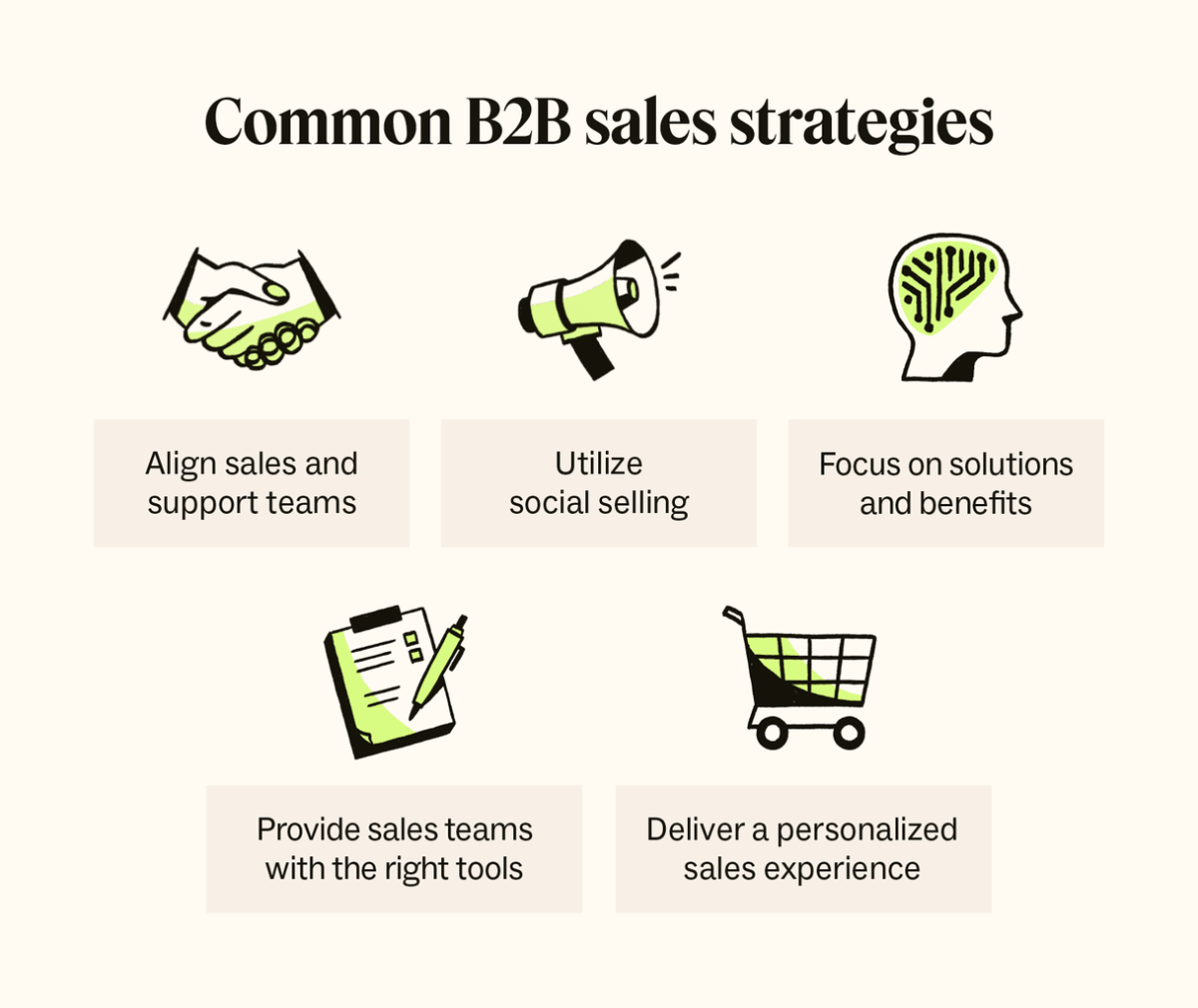
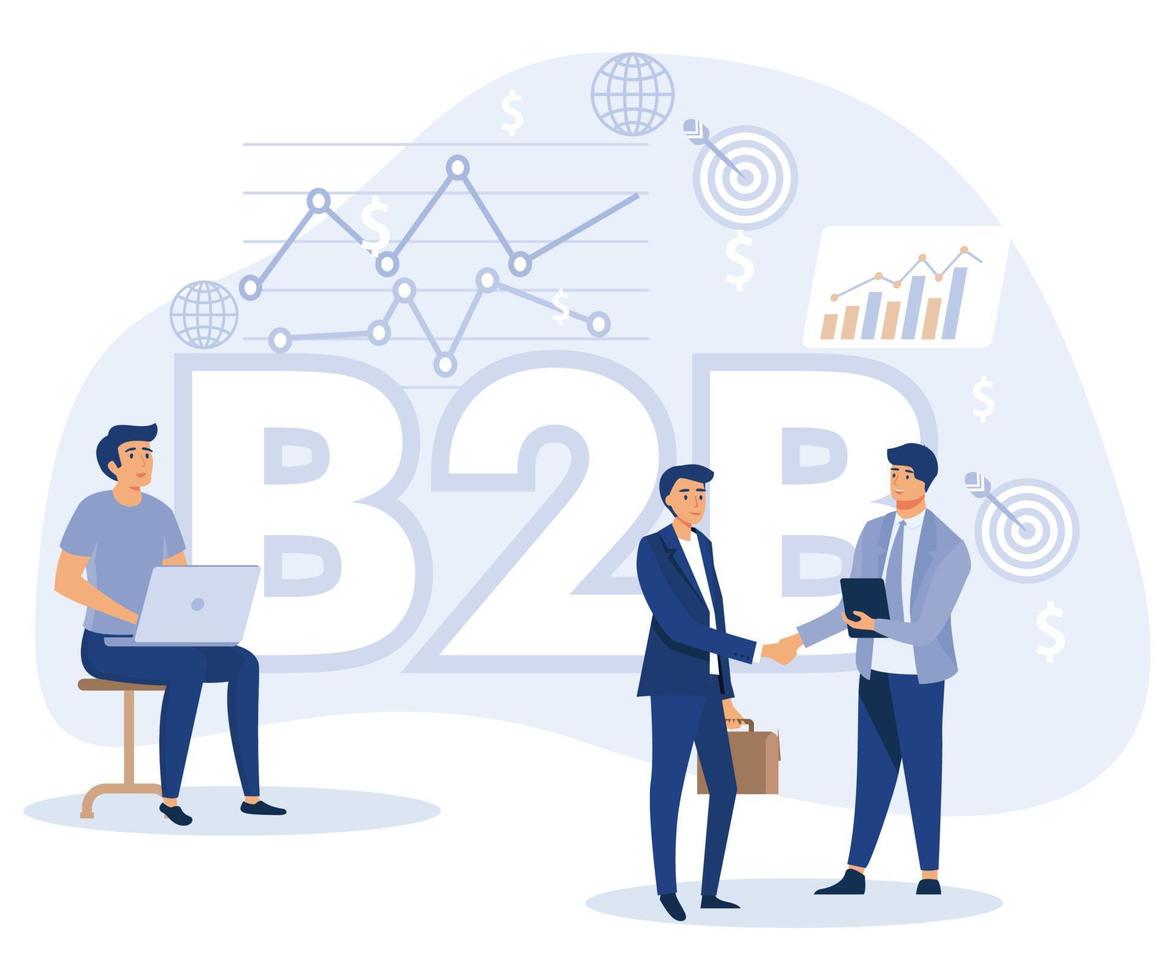
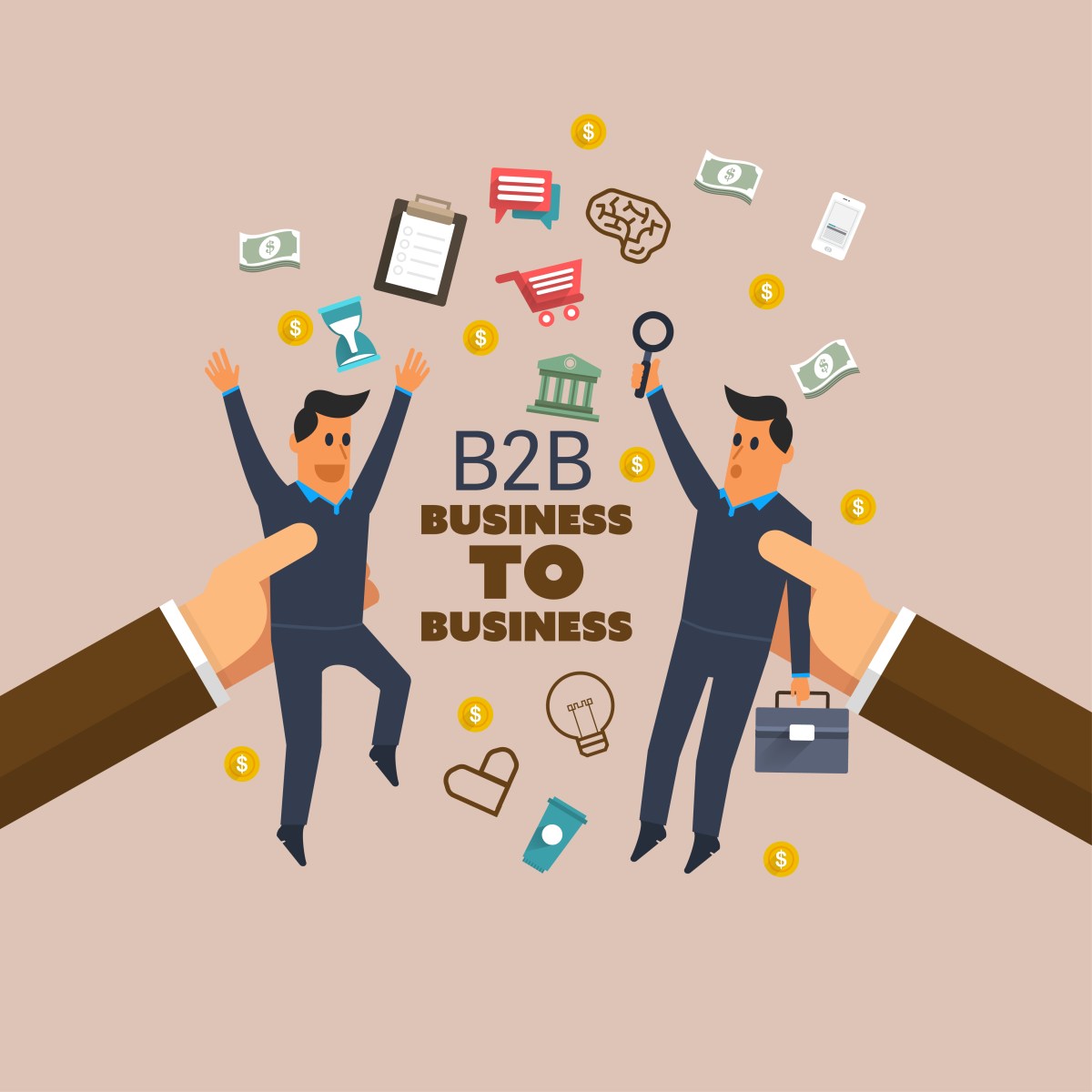
Ever wondered what ‘B2B meaning’ really is? It’s more than just business jargon—it’s the backbone of global commerce. Let’s break it down in simple, powerful terms.
Understanding the Core B2B Meaning

The term B2B meaning refers to ‘Business-to-Business,’ a model where companies sell products or services to other businesses rather than individual consumers. This model drives supply chains, tech innovation, and enterprise growth worldwide.
What Does B2B Stand For?
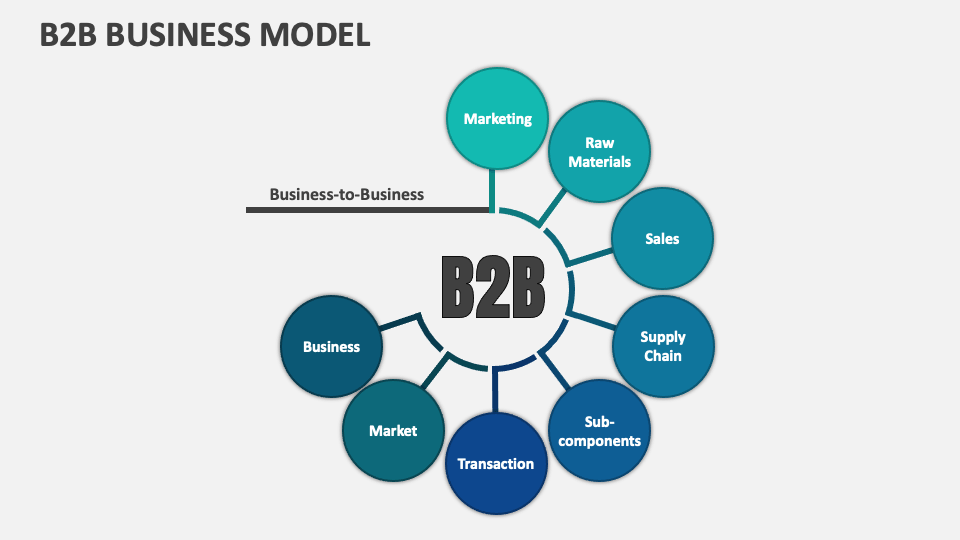
B2B stands for ‘Business-to-Business.’ Unlike B2C (Business-to-Consumer), B2B transactions occur between two companies. For example, a software company selling CRM tools to another corporation operates under the B2B model.
- Transactions are typically larger in scale and volume.
- Decision-making involves multiple stakeholders.
- Sales cycles are longer due to complexity.
“B2B is not just about selling—it’s about building long-term partnerships.” — Forbes
Historical Evolution of B2B
The B2B model has existed since the dawn of trade, but it evolved significantly during the Industrial Revolution. As factories emerged, companies needed raw materials, machinery, and logistics—all supplied through B2B networks.
In the 1990s, the internet revolutionized B2B commerce. Platforms like Alibaba connected manufacturers with distributors globally, making cross-border B2B transactions seamless.
Key Differences Between B2B and B2C
Understanding the b2b meaning requires contrasting it with B2C. While both involve sales, their strategies, audiences, and processes differ fundamentally.
Target Audience and Decision-Making
In B2B, the buyer is usually a company or organization. Purchases are made by committees or procurement teams after thorough evaluation. In contrast, B2C targets individual consumers who make quicker, emotion-driven decisions.
- B2B: Rational, ROI-focused decisions.
- B2C: Emotion-driven, impulse-based choices.
- B2B: Multiple approval layers.
Sales Cycle and Relationship Depth
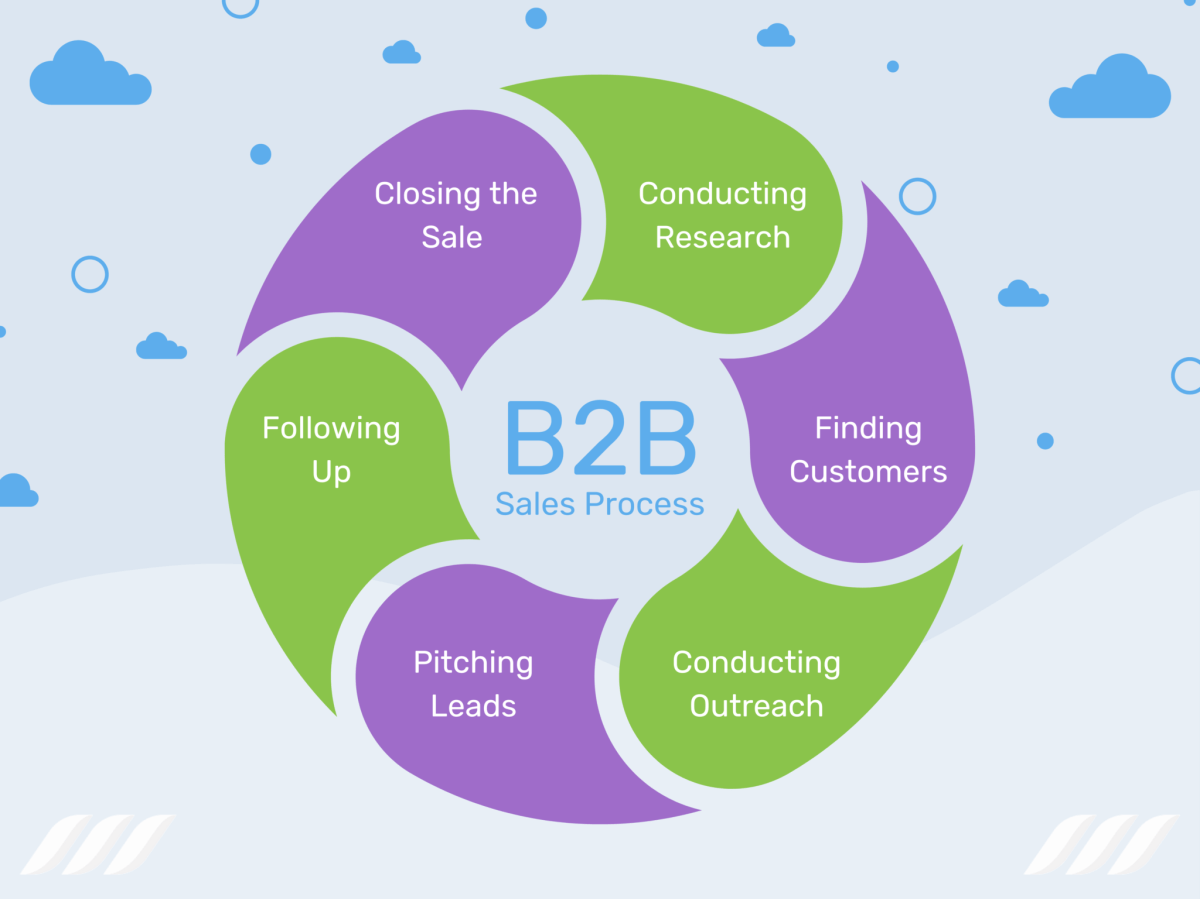
B2B sales cycles are longer, often spanning weeks or months. They require nurturing leads through demos, proposals, and negotiations. Relationships are long-term, with contracts and service agreements.
Conversely, B2C sales are fast. A customer sees an ad, clicks, and buys—often within minutes. Relationships are transactional, not strategic.
“The average B2B sales cycle lasts 6-9 months.” — HubSpot Research
Types of B2B Business Models
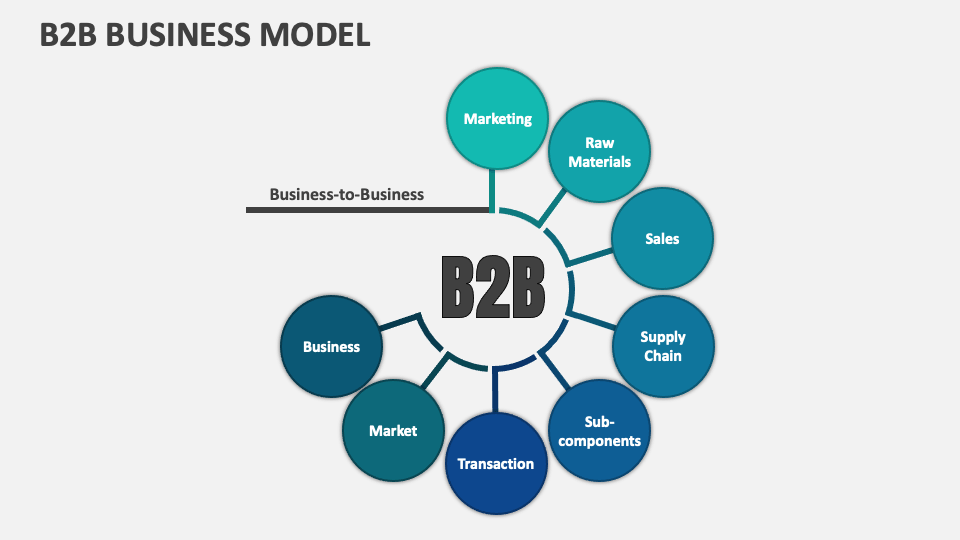
The b2b meaning extends beyond a single transaction type. Various models exist, each serving different industry needs and operational structures.
Manufacturers and Wholesalers
Manufacturers produce goods sold to wholesalers or distributors. For example, a steel plant sells bulk metal to construction equipment makers. This is classic B2B supply chain activity.
- High-volume, low-margin transactions.
- Long-term supply contracts.
- Focus on logistics and scalability.
Software as a Service (SaaS) Providers
SaaS companies like Salesforce or Microsoft offer cloud-based tools to other businesses. Their B2B model relies on subscriptions, integrations, and enterprise support.
This sector has exploded due to digital transformation. According to Gartner, global SaaS revenue will reach $175 billion by 2025.
The Role of Technology in Modern B2B
Technology has redefined the b2b meaning in the digital age. Automation, AI, and e-commerce platforms have streamlined operations and enhanced customer experiences.
B2B E-Commerce Platforms
Platforms like Amazon Business, Alibaba, and Shopify B2B enable companies to buy and sell online with ease. These marketplaces offer bulk pricing, invoicing, and procurement tools tailored for businesses.
- 24/7 global access to suppliers.
- Integrated inventory and payment systems.
- Data analytics for demand forecasting.
“73% of B2B buyers prefer to purchase online.” — McKinsey & Company
AI and Automation in B2B Sales
Artificial Intelligence powers chatbots, lead scoring, and predictive analytics in B2B sales. Tools like HubSpot and Zoho use AI to personalize outreach and optimize conversion rates.
Automation reduces manual tasks, allowing sales teams to focus on relationship-building and strategy.
B2B Marketing Strategies That Work
Effective marketing is crucial to conveying the true b2b meaning to potential clients. Unlike B2C, B2B marketing emphasizes logic, value, and long-term benefits.
Content Marketing and Thought Leadership
B2B buyers seek information before purchasing. Companies publish whitepapers, case studies, and webinars to establish authority. For instance, IBM shares in-depth research on AI and cloud computing to attract enterprise clients.
- Educational content builds trust.
- SEO-optimized blogs drive organic traffic.
- Webinars generate qualified leads.
Account-Based Marketing (ABM)
ABM targets specific high-value accounts with personalized campaigns. Instead of broad outreach, marketers tailor messages to decision-makers in target companies.
According to ITSMA, 87% of marketers say ABM delivers higher ROI than other strategies. This precision makes ABM a cornerstone of modern B2B marketing.
“ABM turns marketing from a funnel into a spotlight.” — Engagio
Challenges in the B2B Landscape
Despite its advantages, the b2b meaning also encompasses significant challenges that companies must navigate to succeed.
Complex Buying Committees
In B2B, purchases often require approval from multiple departments—finance, IT, operations, and legal. This complexity slows down decisions and increases the risk of deal collapse.
- Sales teams must address diverse pain points.
- Stakeholder alignment is critical.
- Clear communication across departments is essential.
Price Sensitivity and Negotiation Pressure
B2B buyers are highly price-sensitive, especially in competitive markets. They demand discounts, flexible payment terms, and measurable ROI.
Negotiations can be intense, requiring skilled account managers who understand both product value and client constraints.
Future Trends Shaping B2B
The b2b meaning continues to evolve with emerging trends that redefine how businesses interact and transact.
Hybrid Buying Models
Post-pandemic, B2B buyers expect B2C-like experiences—easy online ordering, fast delivery, and responsive support. Companies are blending self-service portals with human touchpoints to meet these expectations.
- Buyers want autonomy and speed.
- Hybrid models improve customer satisfaction.
- Digital catalogs and AI assistants enhance UX.
Sustainability and Ethical Sourcing
More B2B companies prioritize sustainability. Buyers favor suppliers with eco-friendly practices, carbon-neutral logistics, and ethical labor policies.
A 2023 Deloitte report found that 68% of B2B decision-makers consider sustainability when choosing vendors. This shift is reshaping supply chains and brand positioning.
“Sustainability is no longer optional—it’s a competitive advantage.” — Deloitte Insights
What is the basic b2b meaning?
The basic b2b meaning refers to business transactions between two companies, where one company provides products or services to another for operational, resale, or production purposes.
How does B2B differ from B2C?
B2B involves longer sales cycles, multiple decision-makers, and rational purchasing based on ROI, while B2C targets individual consumers with shorter, emotion-driven buying processes.
What are common examples of B2B companies?
Examples include software providers like Salesforce, manufacturers like Siemens, wholesalers like Grainger, and logistics firms like DHL—all serving other businesses.
Why is B2B marketing more complex?
B2B marketing is more complex due to the need for detailed product education, multi-stakeholder engagement, longer nurturing cycles, and a focus on measurable business outcomes.
Is e-commerce important in B2B?
Yes, B2B e-commerce is rapidly growing. Platforms like Amazon Business and Alibaba enable seamless online procurement, with 73% of buyers preferring digital purchasing channels.
Understanding the b2b meaning is essential for anyone involved in modern commerce. From its historical roots to digital transformation, B2B shapes how industries operate. Whether you’re a startup or a multinational, mastering B2B dynamics—marketing, sales, technology, and trends—can unlock sustainable growth and competitive advantage. As the landscape evolves with AI, sustainability, and hybrid models, staying informed is not just beneficial—it’s imperative.
Further Reading: