If you’re eyeing a future in b2b sales jobs, you’re stepping into one of the most dynamic, rewarding, and high-impact career paths in today’s global economy. From tech startups to multinational corporations, businesses rely on skilled professionals to drive growth, build partnerships, and close high-value deals. This guide dives deep into everything you need to know to not just survive—but thrive—in the world of B2B sales.
1. Understanding B2B Sales Jobs: What They Really Are

Before diving into strategies or career paths, it’s essential to understand what b2b sales jobs actually entail. Unlike B2C (business-to-consumer) sales, where transactions are often quick and emotionally driven, B2B sales involve longer sales cycles, higher stakes, and multiple decision-makers. These roles focus on selling products or services from one business to another, often involving complex solutions, contracts, and long-term relationships.
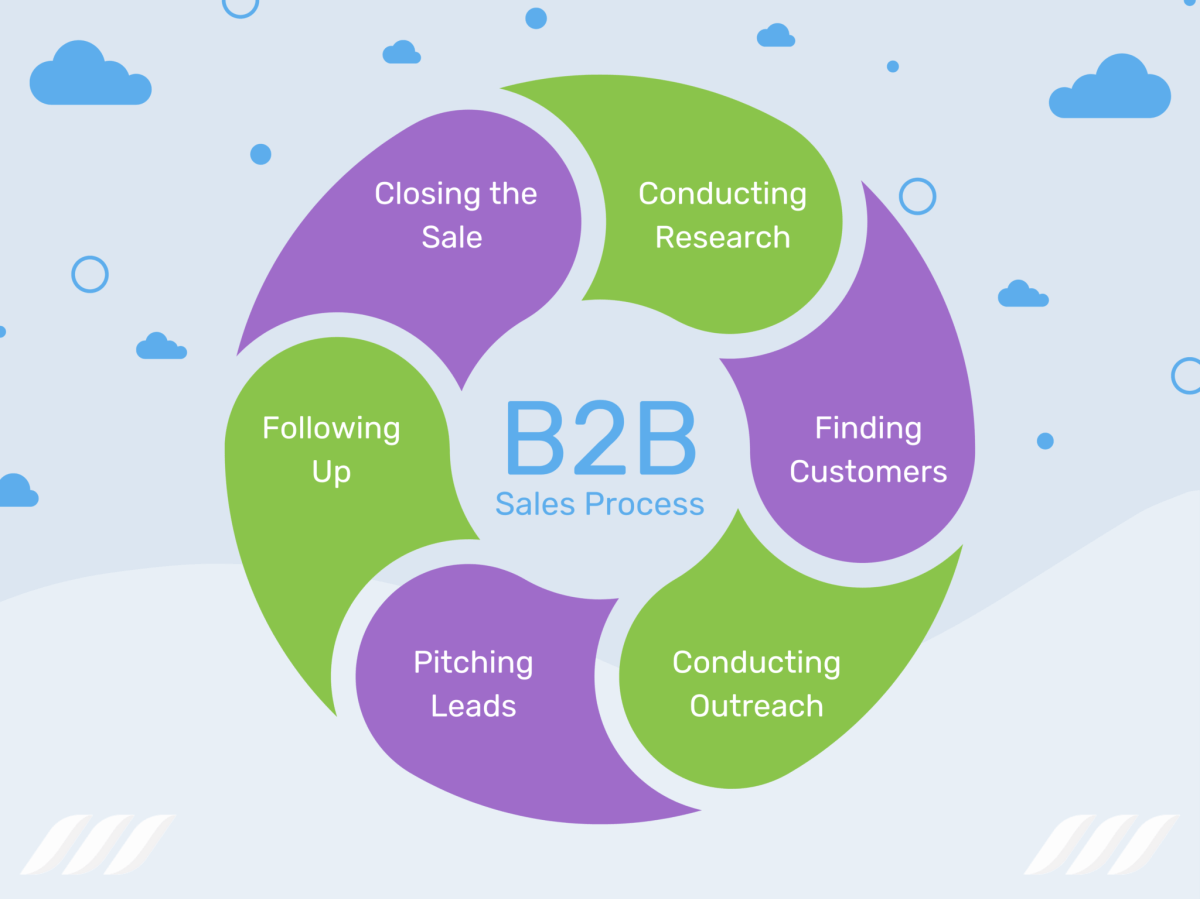

Defining B2B Sales
B2B sales jobs are centered around facilitating transactions between companies. For example, a software company selling CRM tools to another enterprise, or a logistics provider offering supply chain solutions to manufacturers. The core difference lies in the complexity and value of the deal. According to Forbes, B2B sales cycles can last anywhere from 30 to 365 days, depending on the industry and solution.
- Sales are relationship-driven, not impulse-based.
- Decisions are made by committees or stakeholders.
- Value propositions must be clearly quantified.
Common Types of B2B Sales Roles
Not all b2b sales jobs are the same. The field is diverse, offering various specializations based on industry, product type, and sales methodology. Some of the most common roles include:
- Account Executive (AE): Responsible for closing new deals and managing key accounts.
- Sales Development Representative (SDR): Focuses on lead generation and qualifying prospects.
- Business Development Manager: Builds strategic partnerships and identifies new market opportunities.
- Customer Success Manager: Ensures client retention and expansion post-sale.
- Inside Sales Rep: Conducts sales remotely via phone, email, or video calls.
“In B2B sales, you’re not just selling a product—you’re selling a solution to a business problem.” — HubSpot Sales Blog
Industries That Hire for B2B Sales Jobs
B2B sales professionals are in demand across a wide range of sectors. Some of the top industries include:
- Technology & SaaS (Software as a Service)
- Manufacturing & Industrial Equipment
- Healthcare & Medical Devices
- Financial Services & Fintech
- Marketing & Advertising Agencies
- Logistics & Supply Chain
Each industry has its own nuances, but the core skills—prospecting, negotiation, relationship management—remain consistent across the board.
2. Why B2B Sales Jobs Are More Lucrative Than Ever
The landscape of b2b sales jobs has evolved dramatically over the past decade. With digital transformation accelerating across industries, companies are investing more than ever in sales talent to drive revenue. This shift has made B2B sales one of the most financially rewarding career paths available today.
Rising Demand for Skilled Sales Professionals
According to a report by Salesforce, 74% of high-performing sales teams say they are hiring more reps than they were two years ago. The demand is fueled by the need for specialized knowledge, especially in tech-driven sectors like SaaS and AI. Companies aren’t just looking for closers—they want strategic thinkers who understand customer pain points and can position solutions effectively.
- High demand in emerging markets like cybersecurity and cloud computing.
- Globalization has expanded the reach of B2B companies, increasing the need for multilingual and culturally aware sales reps.
- Remote work has opened up international b2b sales jobs to a broader talent pool.
Competitive Salaries and Commission Structures
One of the biggest draws of b2b sales jobs is the earning potential. Base salaries are often competitive, but the real money comes from commissions and bonuses. For example:
- Entry-level SDRs can earn $40,000–$60,000 annually with OTE (On-Target Earnings).
- Mid-level Account Executives often make $80,000–$150,000+.
- Top performers in enterprise sales can exceed $200,000–$500,000 per year.
Companies like Oracle, Salesforce, and Adobe are known for offering aggressive compensation packages to attract top-tier talent. These roles often come with stock options, performance bonuses, and lucrative SPIFFs (Special Performance Incentive for Field Forces).
Long-Term Career Growth and Advancement
B2B sales isn’t just a job—it’s a career ladder. Many executives in marketing, operations, and even CEO roles started their careers in sales. The skills developed in b2b sales jobs—negotiation, strategic thinking, client management—are highly transferable.
- Promotion paths: SDR → AE → Sales Manager → Director of Sales → VP of Sales.
- Opportunities to transition into product management, marketing, or business development.
- Leadership roles often require prior sales experience to understand revenue drivers.
“Sales is the only job where you can start with no experience and, within 2–3 years, be earning six figures.” — LinkedIn Sales Expert
3. Essential Skills Needed for Success in B2B Sales Jobs
While charisma and confidence help, succeeding in b2b sales jobs requires a specific set of hard and soft skills. These aren’t just nice-to-have—they’re non-negotiable for anyone serious about building a sustainable career.
Communication and Active Listening
Effective communication is the backbone of any successful sales professional. In B2B sales, it’s not about talking the most—it’s about listening the best. Top performers spend more time asking questions than pitching.
- Use open-ended questions to uncover pain points.
- Paraphrase client responses to show understanding.
- Avoid jargon; speak in terms of business outcomes.
According to Harvard Business Review, salespeople who practice active listening are 3.5x more likely to exceed their quotas.
Prospecting and Lead Generation
Finding the right prospects is half the battle. In b2b sales jobs, cold outreach—via email, LinkedIn, or phone—is still a critical skill. However, modern prospecting is more about research and personalization than volume.
- Use tools like LinkedIn Sales Navigator, ZoomInfo, or Apollo.io to identify decision-makers.
- Personalize outreach based on company size, industry, or recent news.
- Leverage social selling: engage with prospects’ content before reaching out.
A well-crafted cold email with a personalized subject line can achieve open rates of 50%+ and response rates of 10–15%, far above industry averages.
Negotiation and Closing Techniques
Closing isn’t about pressure—it’s about guiding the buyer to a decision. In b2b sales jobs, deals often stall due to budget constraints, internal approvals, or fear of change. Skilled negotiators anticipate objections and address them proactively.
Use the “Feel, Felt, Found” technique: “I understand how you feel.Others felt the same way.But here’s what they found…”
Offer tiered pricing or pilot programs to reduce perceived risk.Focus on ROI: quantify how your solution saves time, reduces costs, or increases revenue..
“The best closers don’t close—they help the customer realize they’ve already made the decision.” — Sales Trainer Grant Cardone
4.How to Land Your First B2B Sales Job (Even With No Experience)
Breaking into b2b sales jobs without prior experience is not only possible—it’s common.Many companies hire for potential rather than pedigree.Here’s how to position yourself as a top candidate, even if you’re starting from scratch..
Build a Strong Personal Brand
Your personal brand is your first impression. In the digital age, hiring managers will Google you before they call you. Make sure they like what they see.
- Optimize your LinkedIn profile with a professional photo, compelling headline (e.g., “Aspiring B2B Sales Professional | Tech Enthusiast | Problem Solver”), and detailed experience.
- Post regularly about sales trends, share insights, and comment on industry leaders’ content.
- Join B2B sales groups on LinkedIn and participate in discussions.
A strong online presence signals initiative and passion—two traits sales managers value highly.
Gain Relevant Certifications and Training
While a degree isn’t always required, certifications can give you a competitive edge. They show you’re serious about learning the craft.
- HubSpot Sales Software Certification: Free and highly respected.
- Salesforce Trailhead: Learn CRM fundamentals and earn badges.
- Clozd’s Sales Training Program: Focused on modern B2B techniques.
- LinkedIn Learning courses on prospecting, negotiation, and communication.
Completing even one certification can make your resume stand out in a stack of applicants.
Apply Strategically and Network Relentlessly
Mass-applying to jobs rarely works. Instead, focus on targeted applications and warm introductions.
- Research companies you admire and identify their sales hiring managers.
- Send personalized connection requests on LinkedIn with a short note: “Hi [Name], I’m exploring b2b sales jobs and admire [Company]’s approach to customer success. Would love to learn more about your team.”
- Attend virtual or in-person networking events, such as Sales Hacker meetups or industry conferences.
Referrals account for over 30% of hires in sales roles, according to Glassdoor. A warm introduction can fast-track your application.
5. The Role of Technology in Modern B2B Sales Jobs
Gone are the days of cold calling from a phone book. Today’s b2b sales jobs are powered by technology—from AI-driven lead scoring to video prospecting tools. Staying competitive means mastering the digital sales stack.
CRM Systems: The Backbone of B2B Sales
Customer Relationship Management (CRM) platforms like Salesforce, HubSpot, and Microsoft Dynamics are essential for managing leads, tracking interactions, and forecasting revenue.
- CRMs centralize customer data, ensuring no follow-up is missed.
- Sales managers use CRM data to coach reps and identify bottlenecks.
- Integration with email and calendar tools streamlines workflow.
Proficiency in a major CRM is often a job requirement. Even if you’re new, learning Salesforce or HubSpot can significantly boost your employability.
Sales Engagement Platforms
Tools like Outreach, Salesloft, and Apollo automate outreach sequences, track email opens, and schedule follow-ups. These platforms help reps scale their efforts without sacrificing personalization.
- Automated sequences can run for weeks with customized touchpoints.
- Real-time analytics show which messages resonate.
- Integrations with LinkedIn and video tools enhance engagement.
According to Outreach’s State of Sales Engagement Report, reps using engagement platforms close 30% more deals than those who don’t.
AI and Data Analytics in B2B Sales
Artificial Intelligence is transforming b2b sales jobs by predicting buyer behavior, scoring leads, and even drafting emails.
- AI tools like Gong and Chorus record and analyze sales calls to provide feedback.
- Predictive analytics identify which leads are most likely to convert.
- Chatbots qualify inbound leads 24/7, freeing up reps for high-value tasks.
While AI won’t replace salespeople, it’s reshaping the role. Future-ready professionals must be comfortable working alongside intelligent systems.
“AI won’t replace salespeople, but salespeople who use AI will replace those who don’t.” — Jason Lemkin, SaaS Sales Expert
6. Common Challenges in B2B Sales Jobs (And How to Overcome Them)
No career is without obstacles, and b2b sales jobs come with their own unique set of challenges. From long sales cycles to rejection, the path to success requires resilience and strategy.
Dealing with Rejection and Staying Motivated
Rejection is inevitable in sales. You might hear “no” 10 times before getting one “yes.” The key is to reframe rejection as part of the process, not a personal failure.
- Track your activity metrics (calls, emails, meetings) to stay focused on effort, not just outcomes.
- Set daily micro-goals to maintain momentum.
- Surround yourself with positive influences—mentors, peers, motivational content.
Top performers don’t avoid rejection—they expect it and keep going.
Managing Long Sales Cycles
In b2b sales jobs, deals can take months to close. This requires patience, organization, and consistent follow-up.
- Use a sales pipeline tracker to visualize where each deal stands.
- Schedule regular check-ins with prospects, even if they’re not ready to buy.
- Provide value between touches—share relevant articles, case studies, or industry insights.
According to Capterra, companies with structured sales processes shorten their sales cycles by up to 25%.
Navigating Complex Buying Committees
Unlike B2C, B2B purchases often involve multiple stakeholders—finance, IT, operations, and executives. Each has different priorities and concerns.
- Map out the decision-making unit early in the process.
- Tailor your messaging to each role: ROI for finance, security for IT, efficiency for operations.
- Identify a champion within the organization who can advocate for your solution.
Failure to engage all stakeholders is one of the top reasons deals fall apart at the final stage.
7. Future Trends Shaping B2B Sales Jobs
The world of b2b sales jobs is not static. As technology, buyer behavior, and global markets evolve, so too must sales professionals. Staying ahead means anticipating change and adapting quickly.
The Rise of Remote and Hybrid Sales Models
The pandemic accelerated the shift to remote work, and it’s here to stay. Many b2b sales jobs now operate in hybrid or fully remote environments.
- Virtual demos and video calls are now standard.
- Remote reps can access global markets without relocation.
- Companies are investing in digital onboarding and training.
Flexibility is a major perk, but it also requires self-discipline and strong time management.
Increased Focus on Customer Experience
Today’s buyers expect more than just a product—they want a seamless, consultative experience. Sales reps are now expected to act as trusted advisors.
- Personalization is key: tailor every interaction to the prospect’s business.
- Post-sale engagement is as important as the initial close.
- Customer success teams are becoming integral to the sales lifecycle.
According to McKinsey, companies that excel in customer experience grow revenues 4–8% above their market.
Sustainability and Ethical Selling
Buyers are increasingly concerned with a company’s values. Sustainability, data privacy, and ethical practices now influence purchasing decisions.
- Sales reps must be prepared to discuss their company’s ESG (Environmental, Social, Governance) commitments.
- Transparency in pricing and data usage builds trust.
- Green solutions and carbon-neutral offerings are becoming selling points.
Sales professionals who align with these values will have a competitive edge in winning socially conscious clients.
What are b2b sales jobs?
B2B sales jobs involve selling products or services from one business to another. These roles require strong communication, negotiation, and relationship-building skills, and are common in industries like tech, manufacturing, and healthcare.
How do I start a career in b2b sales jobs with no experience?
You can start by building a strong LinkedIn profile, earning free sales certifications (like HubSpot’s), networking with professionals, and applying for entry-level roles such as Sales Development Representative (SDR).
Are b2b sales jobs commission-based?
Yes, most b2b sales jobs include a base salary plus commission or bonuses. Total earnings often depend on performance, with top reps earning well above six figures annually.
What tools do I need for b2b sales jobs?
Essential tools include CRM platforms (Salesforce, HubSpot), sales engagement tools (Outreach, Salesloft), prospecting tools (ZoomInfo, Apollo), and communication tools (Zoom, LinkedIn).
Is remote work possible in b2b sales jobs?
Yes, many b2b sales jobs now offer remote or hybrid work options, especially in tech and SaaS industries. Virtual selling has become standard practice.
B2B sales jobs are more than just a career—they’re a gateway to financial freedom, professional growth, and global impact. From understanding the fundamentals to mastering cutting-edge tools and overcoming common challenges, this guide has equipped you with the knowledge to succeed. Whether you’re just starting out or looking to level up, the future of B2B sales is bright for those willing to adapt, learn, and persist. The opportunities are vast, the rewards are real, and the time to act is now.
Further Reading:
