Ever wonder why some companies dominate their industry while others struggle to close deals? The secret often lies in mastering b2b sales. It’s not just about making calls or sending emails—it’s a strategic, relationship-driven process that fuels long-term growth.
Understanding the Fundamentals of B2B Sales

B2B sales, or business-to-business selling, involves one company selling products or services to another. Unlike B2C (business-to-consumer), where emotions and instant gratification often drive decisions, b2b sales are complex, longer in cycle, and involve multiple stakeholders. This makes understanding the core mechanics essential for success.

What Exactly Is B2B Sales?
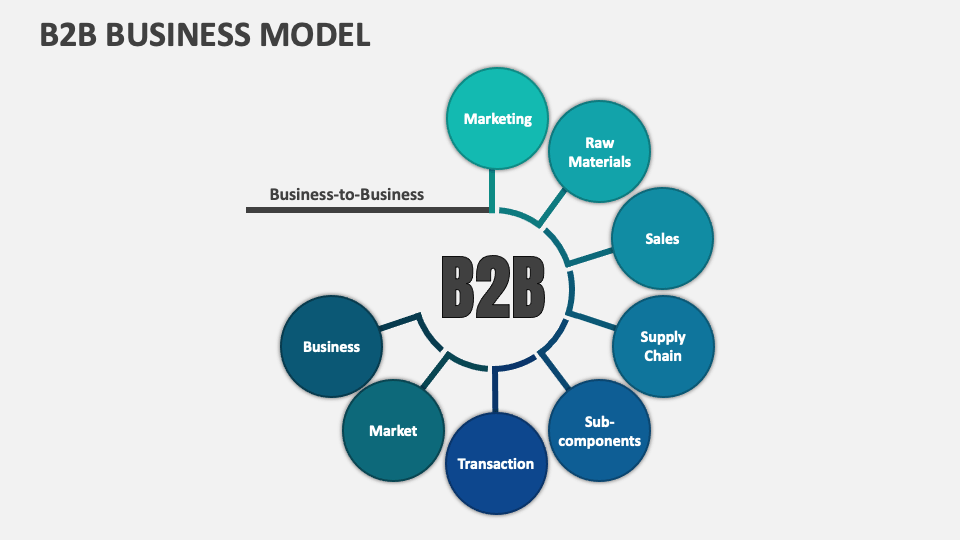
B2B sales refers to transactions between two businesses, such as a software company selling CRM tools to a marketing agency or a manufacturer supplying raw materials to a production firm. These deals are typically high-value and require detailed negotiation, technical evaluation, and alignment with business goals.
According to Investopedia, B2B transactions account for trillions of dollars in global commerce annually, far surpassing B2C in volume. The key differentiator is that b2b sales focus on solving business problems, improving efficiency, or driving ROI—not just fulfilling personal needs.
Key Differences Between B2B and B2C Sales
While both involve selling, the approach, audience, and decision-making process differ significantly:
Decision Makers: B2B involves committees, procurement teams, and executives; B2C usually centers on individual buyers.Sales Cycle: B2B sales cycles can last weeks or months; B2C decisions are often made in minutes.Pricing & Volume: B2B deals are higher in value and volume, often involving contracts and recurring revenue models.Emotion vs.Logic: B2C leans on emotional appeal; b2b sales rely on logic, data, and ROI justification.”In b2b sales, you’re not just selling a product—you’re selling a solution to a business problem.” — HubSpot Sales BlogThe Evolution of B2B Sales Over the DecadesB2B sales have evolved dramatically.In the 1980s, it was all about cold calls and trade shows..
The 1990s brought CRM systems like Salesforce, enabling better tracking and follow-ups.The 2000s saw the rise of email marketing and digital catalogs.Today, b2b sales are digital-first, data-driven, and increasingly influenced by AI and automation..
A report by Gartner reveals that 74% of the buying journey is now digital, meaning prospects research, compare, and shortlist vendors before ever speaking to a sales rep. This shift demands a new breed of sales professionals—ones who add value, not just push products.
The B2B Sales Process: A Step-by-Step Breakdown
Successful b2b sales don’t happen by accident. They follow a structured process designed to guide prospects from awareness to purchase. While models vary, most follow a seven-stage framework that ensures consistency, scalability, and predictability.
1. Prospecting: Finding the Right Targets
Prospecting is the foundation of any b2b sales strategy. It involves identifying companies and individuals who fit your ideal customer profile (ICP). This isn’t about casting a wide net—it’s about precision targeting.
Effective prospecting methods include:
- LinkedIn outreach using Sales Navigator
- Attending industry-specific webinars and events
- Leveraging intent data platforms like Bombora or 6sense
- Referrals from existing clients
Tools like ZoomInfo help sales teams access verified contact data, making outreach more efficient and personalized.
2. Qualifying Leads: The BANT Framework
Not all leads are worth pursuing. Qualifying helps you focus on those with the highest conversion potential. One of the most widely used models is BANT:
- Budget: Does the prospect have the financial resources?
- Authority: Is the person you’re talking to a decision-maker?
- Need: Do they have a pain point your solution addresses?
- Timeline: When do they plan to make a decision?
While BANT has been criticized for being too rigid, it remains a solid starting point. Modern variations like MEDDIC (Metrics, Economic Buyer, Decision Criteria, Decision Process, Identify Pain, Champion) offer deeper insights for complex sales.
3. Needs Analysis: Asking the Right Questions
This stage is where b2b sales professionals transition from seller to advisor. Instead of pitching, you’re diagnosing. The goal is to uncover the prospect’s challenges, goals, and existing solutions.
Powerful questions to ask include:
- “What’s your biggest challenge in [relevant area] right now?”
- “How are you currently handling [specific process]?”
- “What would success look like for you in the next 6 months?”
Active listening is critical. According to a Harvard Business Review study, top performers spend 40% more time listening than average reps.
4. Presenting the Solution: Tailored Value Propositions
Now it’s time to present your offering—but not as a generic demo. The best b2b sales presentations are customized, focusing on how your product solves the specific problems uncovered during the needs analysis.
Key elements of a winning presentation:
- Start with a recap of their pain points
- Demonstrate ROI with real-world examples
- Highlight differentiators vs. competitors
- Use case studies or testimonials
Avoid feature dumping. Instead, translate features into business outcomes. For example, instead of saying “Our software has AI-powered analytics,” say “Our AI analytics reduce reporting time by 60%, freeing up your team for strategic work.”
5. Handling Objections: Turning ‘No’ Into ‘Next’
Objections are inevitable in b2b sales. Common ones include price, timing, trust, and existing contracts. The key is to view objections not as roadblocks but as opportunities to clarify value.
Effective objection-handling techniques:
- LAER Model (Listen, Acknowledge, Explore, Respond): Popularized by Miller Heiman, this empathetic approach builds trust.
- Reframing: Turn price concerns into ROI conversations. “I understand the investment seems high. Let’s look at how much you’ll save in operational costs.”
- Proof Points: Use data, case studies, or pilot results to overcome skepticism.
“An objection is often a hidden request for more information.” — S. David Sperling
6. Closing the Deal: Sealing the Agreement
Closing in b2b sales isn’t about pressure—it’s about alignment. When the prospect sees clear value and trust in your solution, closing becomes a natural next step.
Effective closing techniques include:
- Assumptive Close: “When would you like the implementation to start?”
- Alternative Choice: “Would you prefer the annual or quarterly payment plan?”
- Summary Close: Recap benefits and ask for the order.
Always ensure legal and procurement teams are looped in early, especially for enterprise deals. Contracts, SLAs, and compliance checks can delay closing if not managed proactively.
7. Post-Sale Follow-Up: Building Long-Term Relationships
The sale is just the beginning. In b2b sales, customer retention and expansion are often more valuable than acquisition. A strong onboarding process, regular check-ins, and proactive support turn customers into advocates.
Strategies for post-sale success:
- Assign a dedicated customer success manager
- Provide training and resource materials
- Schedule quarterly business reviews (QBRs)
- Identify upsell/cross-sell opportunities
According to Customer Success Association, companies with formal customer success programs see 30% higher retention rates.
Key B2B Sales Strategies That Drive Results
In a competitive landscape, generic tactics won’t cut it. Top-performing sales teams leverage proven b2b sales strategies that combine technology, psychology, and process excellence.
Social Selling: Leveraging LinkedIn and Digital Presence
Social selling is no longer optional—it’s essential. Buyers research sellers online before engaging. A strong LinkedIn profile, consistent content sharing, and meaningful engagement position you as a thought leader.
Best practices for social selling:
- Optimize your LinkedIn profile with keywords and results
- Share insights, articles, and industry news regularly
- Engage with prospects’ posts before reaching out
- Use LinkedIn Sales Navigator to track company updates and triggers
A LinkedIn study found that salespeople who use social selling are 51% more likely to hit their quotas.
Account-Based Selling: Precision Over Volume
Account-based selling (ABS) flips traditional sales on its head. Instead of casting a wide net, you focus on a select group of high-value accounts and tailor your entire approach to their needs.
Steps to implement ABS:
- Identify target accounts with high strategic value
- Research decision-makers and their pain points
- Create personalized outreach campaigns
- Align marketing and sales efforts for coordinated messaging
This strategy is especially effective in enterprise b2b sales, where deals are large and relationships matter. Companies using ABS report 200% higher win rates, according to ABM Leadership Alliance.
Value-Based Selling: Focusing on Outcomes, Not Features
Value-based selling shifts the conversation from what your product does to what it achieves. It’s about quantifying impact—reduced costs, increased revenue, improved efficiency.
To master value-based selling:
- Map your solution to specific business outcomes
- Use ROI calculators and business cases
- Train sales teams to speak the language of finance and operations
- Collect and share customer success metrics
For example, instead of saying “Our platform integrates with Salesforce,” say “Our integration reduces data entry time by 70%, saving your team 15 hours per week.”
The Role of Technology in Modern B2B Sales
Technology has transformed b2b sales from a relationship-driven art to a data-powered science. Today’s sales teams rely on a stack of tools to prospect, engage, track, and close deals efficiently.
CRM Systems: The Backbone of B2B Sales
Customer Relationship Management (CRM) platforms like Salesforce, HubSpot, and Microsoft Dynamics are central to managing b2b sales pipelines. They store contact data, track interactions, automate follow-ups, and provide analytics.
Key CRM benefits:
- Centralized customer data
- Automated workflows and reminders
- Sales forecasting and pipeline visibility
- Integration with email, calendar, and marketing tools
A Nucleus Research study found that CRM systems deliver an average $8.71 return for every dollar spent.
Sales Enablement Tools: Empowering Reps with Content
Sales enablement tools like Seismic, Highspot, and Showpad provide reps with the right content at the right time. This includes battle cards, case studies, pricing sheets, and video demos.
These platforms ensure consistency in messaging and help reps respond quickly to objections. They also track content usage, revealing what resonates with buyers.
“Sales enablement isn’t a department—it’s a strategy to improve buyer engagement.” — Forrester Research
AI and Automation in B2B Sales
Artificial Intelligence is no longer science fiction—it’s a sales reality. AI tools help with lead scoring, email personalization, meeting scheduling, and even predictive analytics.
Popular AI applications in b2b sales:
- Lead Scoring: Tools like MadKudu predict which leads are most likely to convert.
- Email Assistants: Grammarly, Lavender, and Crystal write more persuasive emails.
- Chatbots: Qualify leads 24/7 on your website.
- Conversation Intelligence: Gong and Chorus record and analyze sales calls to improve coaching.
According to McKinsey, AI can increase sales productivity by 30-50% in B2B environments.
Building a High-Performance B2B Sales Team
Even the best strategies fail without the right team. Building a high-performing b2b sales organization requires careful hiring, training, and culture development.
Hiring the Right Sales Talent
Not all salespeople thrive in b2b environments. Look for candidates with:
- Strong communication and active listening skills
- Curiosity and problem-solving mindset
- Resilience and persistence
- Industry knowledge or domain expertise
Use structured interviews and role-playing exercises to assess real-world performance. Tools like Pymetrics use neuroscience-based games to evaluate cognitive and emotional traits.
Training and Onboarding Programs
A well-structured onboarding program can reduce ramp time by 50%. Effective training includes:
- Product and industry knowledge
- Sales methodology (e.g., Challenger Sale, SPIN Selling)
- CRM and tech stack training
- Shadowing experienced reps
- Ongoing coaching and feedback
According to CSO Insights, companies with formal onboarding programs see 89% higher quota attainment.
Performance Metrics and KPIs
What gets measured gets managed. Key b2b sales KPIs include:
- Conversion rates (lead to opportunity, opportunity to close)
- Average deal size
- Sales cycle length
- Customer acquisition cost (CAC)
- Customer lifetime value (CLTV)
- Quota attainment
Regularly review these metrics to identify bottlenecks and optimize performance. Dashboards in tools like Tableau or Power BI make data accessible and actionable.
Common Challenges in B2B Sales and How to Overcome Them
Even seasoned professionals face hurdles. Recognizing and addressing common b2b sales challenges is key to sustained success.
Long Sales Cycles and Decision Fatigue
B2B sales cycles can stretch for months, especially in regulated industries. Decision fatigue sets in when too many stakeholders delay or over-analyze.
Solutions:
- Map the decision-making process early
- Identify and nurture internal champions
- Break the process into smaller milestones
- Provide clear next steps after each meeting
“The best way to shorten a long sales cycle is to add value at every touchpoint.” — Jill Konrath
Competition and Price Pressure
In crowded markets, prospects often compare vendors on price. This puts pressure on sales teams to discount, eroding margins.
Strategies to combat this:
- Emphasize unique value, not just features
- Use competitive battle cards
- Offer flexible pricing models (e.g., pay-per-use)
- Highlight long-term ROI, not just upfront cost
Remember: you’re not competing on price—you’re competing on value.
Remote Selling and Virtual Engagement
Post-pandemic, remote selling is the norm. While it increases reach, it also reduces personal connection and makes reading body language harder.
Tips for effective virtual selling:
- Invest in high-quality video and audio equipment
- Use screen sharing and interactive demos
- Send follow-up summaries after calls
- Build rapport through casual conversation at the start
A Salesforce report found that 71% of sales teams now conduct most meetings virtually.
The Future of B2B Sales: Trends to Watch
The b2b sales landscape is evolving rapidly. Staying ahead requires anticipating trends and adapting quickly.
Rise of Self-Service and Digital Buying
More buyers prefer to research and purchase online without talking to a rep. This is especially true for mid-market and SMB segments.
To adapt:
- Optimize your website for conversion
- Offer free trials, demos, and pricing transparency
- Use chatbots and AI to guide buyers
- Create educational content (blogs, webinars, videos)
Companies like Slack and Zoom grew largely through product-led growth, where the product itself drives adoption.
Increased Use of Data and Predictive Analytics
Sales teams are leveraging data to predict buyer behavior, identify at-risk accounts, and personalize outreach.
Tools like 6sense and Gong use AI to analyze engagement patterns and recommend next steps. This allows reps to act before a deal stalls.
According to Forrester, by 2025, 60% of B2B sales interactions will be guided by real-time AI insights.
Focus on Customer Experience and Retention
The line between sales and customer success is blurring. Retaining and expanding existing customers is now a core sales function.
Strategies include:
- Implementing customer health scores
- Proactive renewal management
- Identifying expansion opportunities early
- Creating loyalty programs and advocacy networks
Research by Bain & Company shows that increasing customer retention rates by 5% increases profits by 25% to 95%.
What is the average length of a B2B sales cycle?
The average B2B sales cycle ranges from 1 to 6 months, depending on the industry, deal size, and complexity. For enterprise software, it can extend to 12 months or more. According to CSO Insights, the median sales cycle for complex B2B deals is 104 days.
How can I improve my B2B sales conversion rate?
To improve conversion rates, focus on better lead qualification, personalized outreach, value-based selling, and consistent follow-up. Use CRM data to identify bottlenecks and train your team on objection handling and active listening.
What are the best tools for B2B sales prospecting?
Top tools include LinkedIn Sales Navigator, ZoomInfo, Clearbit, Hunter.io, and Apollo.io. These platforms provide contact data, intent signals, and automation to streamline outreach.
Is cold calling still effective in B2B sales?
Yes, but only when done strategically. Personalized, research-backed cold calls have higher success rates. Combine them with email and social outreach for a multi-channel approach. According to HubSpot, personalized cold emails with video have a 300% higher response rate.
How do I handle price objections in B2B sales?
Reframe the conversation around ROI and total cost of ownership. Use case studies to show value, offer flexible payment terms, and emphasize the cost of inaction. Ask questions like, “What would solving this problem be worth to your business?”
Mastering b2b sales requires a blend of strategy, empathy, and technology. From understanding the fundamentals to leveraging AI and building high-performing teams, success lies in adding real value at every stage. The future belongs to those who adapt, personalize, and prioritize long-term relationships over short-term wins. Whether you’re a startup or an enterprise, the principles of effective b2b sales remain the same: listen deeply, sell value, and deliver results.
Further Reading:
