In today’s digital-first economy, a powerful B2B website isn’t just a placeholder—it’s your 24/7 sales engine, brand ambassador, and credibility builder. Discover how top-performing B2B companies leverage their websites to dominate markets and convert high-value clients.
1. Why a B2B Website is Your Most Powerful Business Asset

A B2B website is far more than a digital brochure. It’s the central hub of your company’s online presence, serving as the first point of contact for prospects, partners, and investors. Unlike B2C sites that often rely on impulse buys, a B2B website must earn trust, demonstrate expertise, and guide complex decision-making processes involving multiple stakeholders.

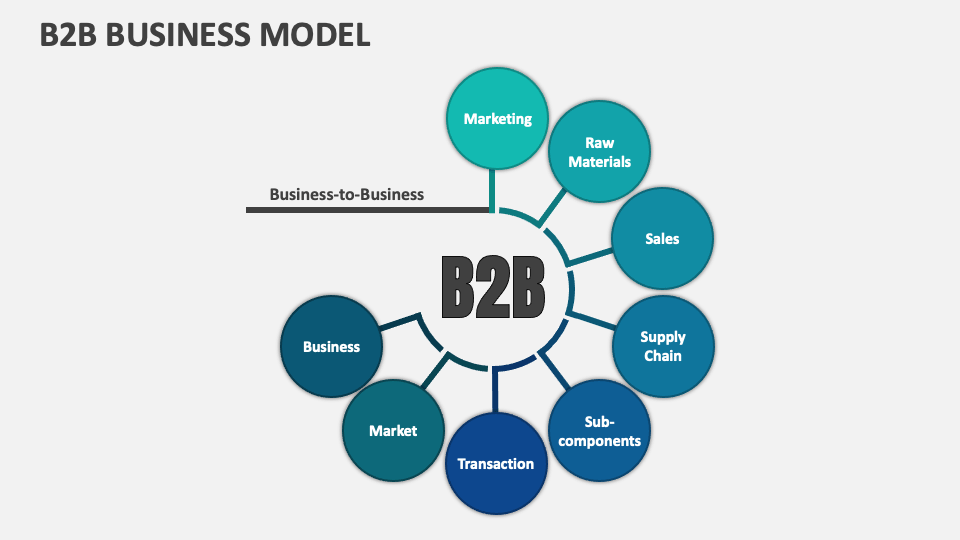
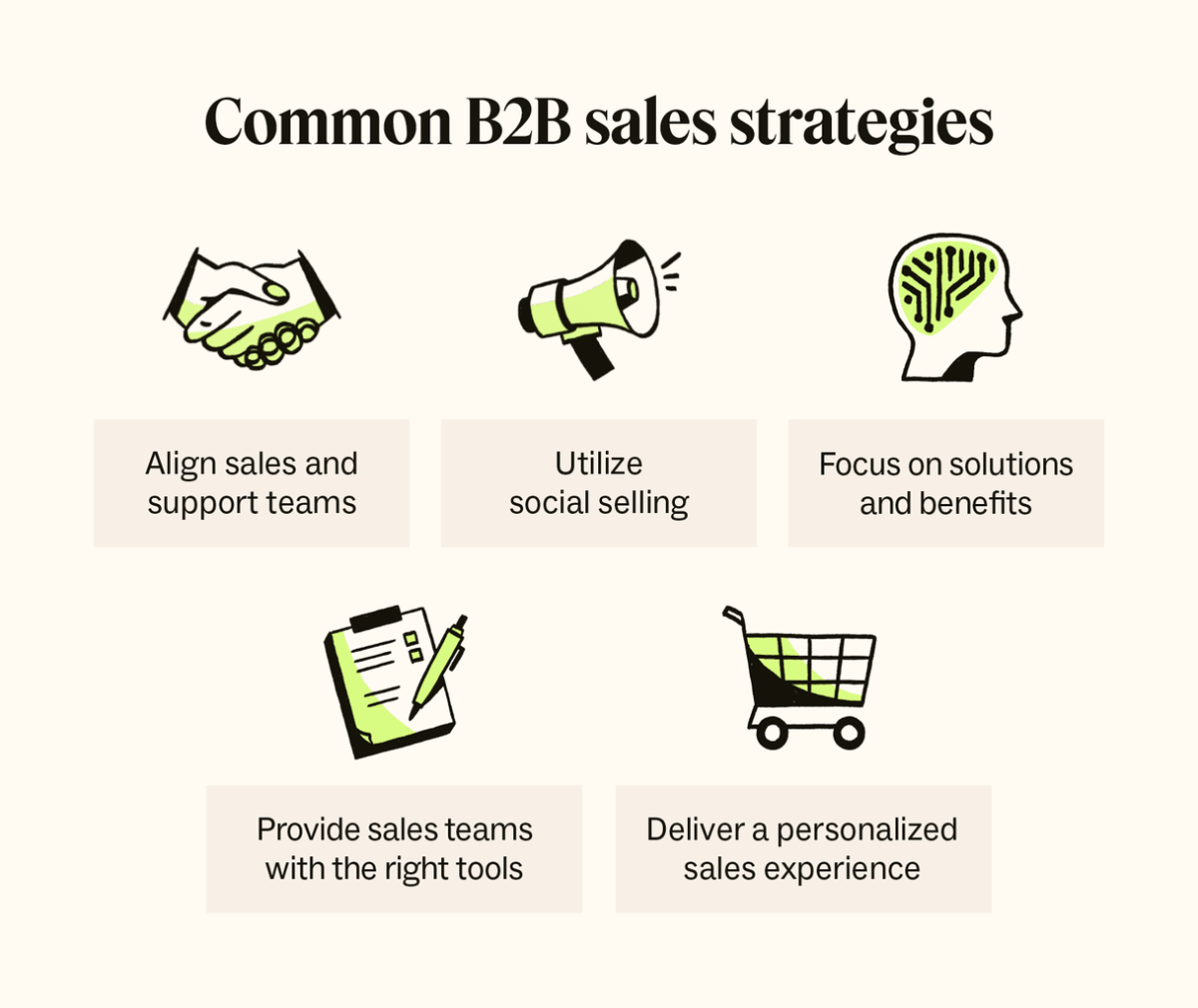
The Strategic Role of a B2B Website
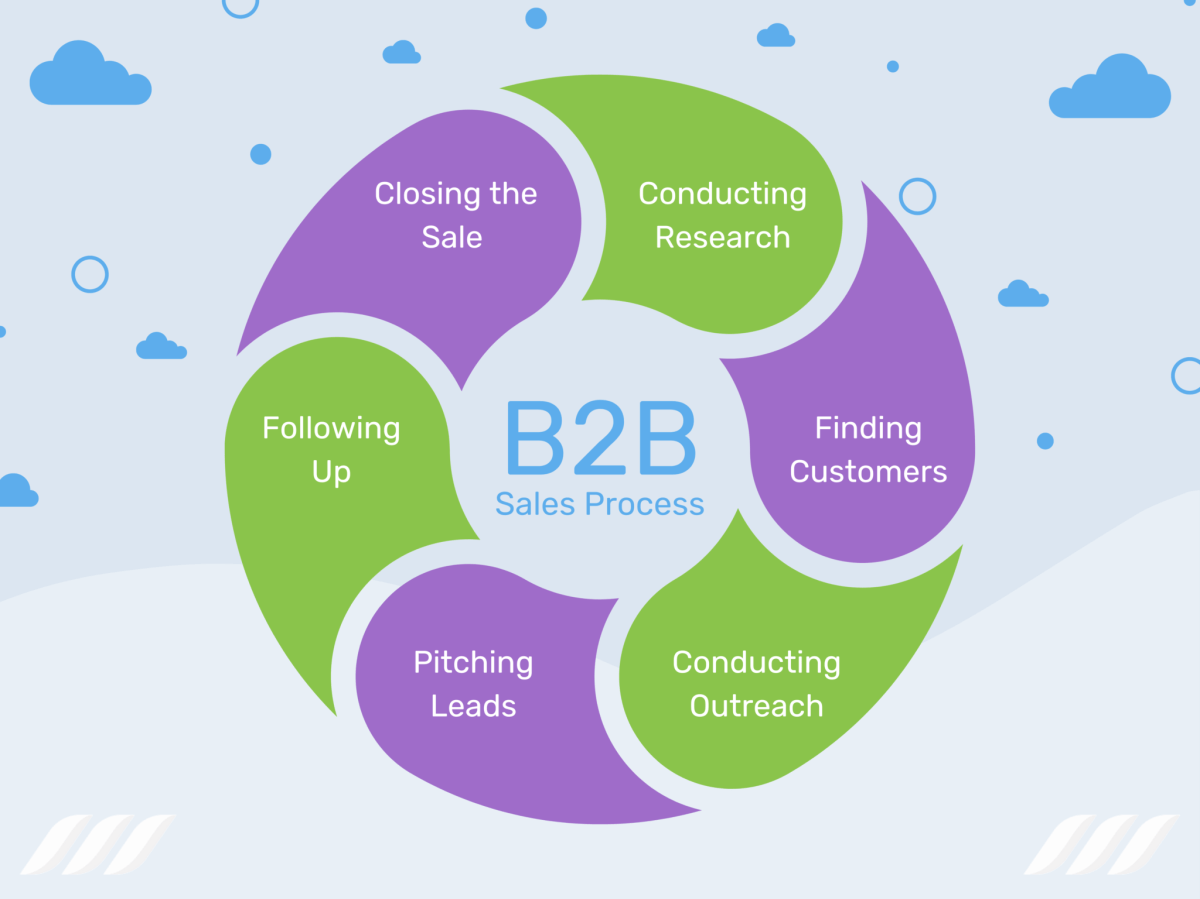
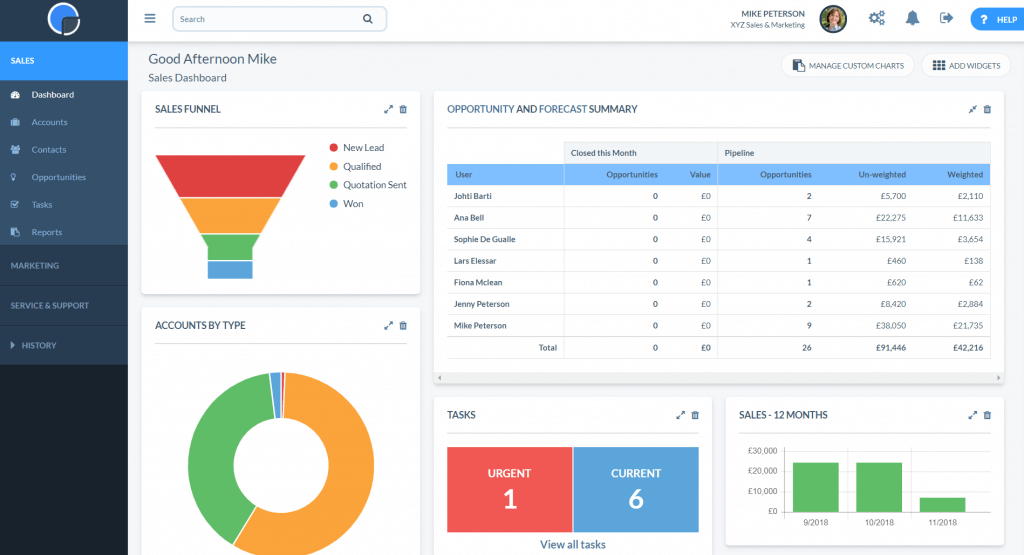
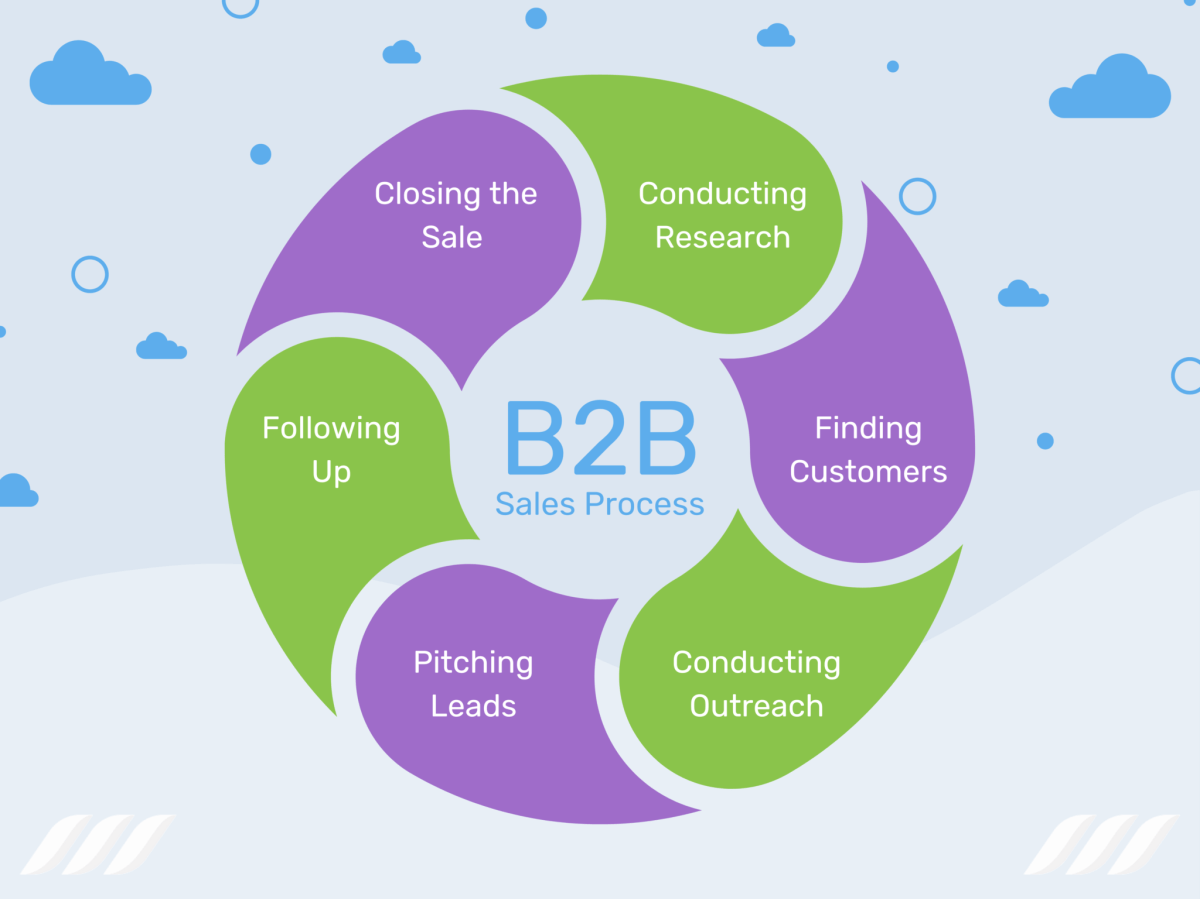
In the B2B sales cycle, buyers conduct extensive research before engaging with a sales representative. According to Gartner, over 70% of the buyer’s journey is completed digitally before any human interaction. This makes your B2B website the most influential touchpoint in the sales funnel.
- Acts as a 24/7 sales representative
- Builds credibility through case studies and testimonials
- Supports lead nurturing with gated content
- Provides scalable access to product information and pricing
“Your website is the new sales floor. If it doesn’t convert, your entire pipeline suffers.” — HubSpot, State of Inbound Report
Key Differences Between B2B and B2C Websites
While both aim to convert visitors, B2B websites face unique challenges and requirements:
- Longer Sales Cycles: B2B purchases often involve months of evaluation, requiring content that nurtures leads over time.
- Multiple Decision Makers: A single deal may involve input from technical teams, finance, procurement, and executives—each needing tailored content.
- Higher Transaction Value: With bigger stakes, buyers demand deeper proof of ROI, security, and integration capabilities.
- Complex Product Offerings: Solutions are often customizable, requiring detailed documentation, demos, and configurators.
For example, a SaaS platform like Salesforce uses its B2B website to offer product tours, ROI calculators, and industry-specific solutions—catering to diverse buyer personas.
2. Essential Elements of a High-Converting B2B Website
A successful B2B website combines strategic design, persuasive content, and technical precision. It’s not about flashy animations but clarity, credibility, and conversion pathways. Let’s break down the non-negotiable components.
Clear Value Proposition Above the Fold
The first 5 seconds on your homepage determine whether a visitor stays or leaves. Your value proposition must instantly communicate: Who you help, what problem you solve, and why you’re different.
- Use concise, benefit-driven headlines (e.g., “Reduce Operational Costs by 40% with AI-Powered Workflow Automation”)
- Avoid jargon; speak in the customer’s language
- Include a strong call-to-action (CTA) like “Start Free Trial” or “Schedule a Demo”
Companies like Atlassian excel here, using simple, bold headlines that speak directly to pain points.
Robust Content Architecture
A B2B website must support a variety of content types to guide users through the buyer’s journey:
- Top of Funnel (TOFU): Blog posts, infographics, and industry reports to attract awareness.
- Middle of Funnel (MOFU): Webinars, case studies, and comparison guides for evaluation.
- Bottom of Funnel (BOFU): Product demos, pricing pages, and free trials to drive conversion.
HubSpot’s B2B website is a masterclass in content architecture, offering a resource library that nurtures leads at every stage.
Trust-Building Elements
In B2B, trust is the currency. Your website must prove reliability through social proof and transparency.
- Client logos from recognizable brands
- Detailed case studies with measurable results
- Customer testimonials with names, titles, and photos
- Security badges and compliance certifications (e.g., SOC 2, GDPR)
A study by Nielsen Norman Group found that 88% of B2B buyers are more likely to engage with a company that displays real customer success stories.
3. Design Principles for a Professional B2B Website
Design in B2B isn’t about aesthetics alone—it’s about usability, professionalism, and guiding the user toward conversion. A cluttered or outdated design can instantly erode credibility.
Minimalist Design with Maximum Clarity
Unlike B2C sites that may use vibrant colors and emotional triggers, B2B websites benefit from a clean, professional aesthetic.
- Use ample white space to reduce cognitive load
- Stick to a consistent color palette (often corporate blues, grays, and whites)
- Ensure typography is legible across devices
- Limit pop-ups and distractions on key pages
Take IBM as an example—their B2B website uses a minimalist layout with clear navigation, making it easy for enterprise buyers to find solutions.
Mobile Responsiveness and Performance
Over 50% of B2B research is now conducted on mobile devices (Google, 2023). A slow or non-responsive B2B website can cost you high-value leads.
- Ensure pages load in under 2 seconds
- Optimize images and use lazy loading
- Test across devices and browsers
- Use Accelerated Mobile Pages (AMP) for blog content
Google’s Core Web Vitals now directly impact SEO rankings, making performance a non-negotiable aspect of your B2B website strategy.
Intuitive Navigation and Information Architecture
B2B buyers are on a mission—they want to find information fast. A confusing menu structure can lead to high bounce rates.
- Use clear, descriptive menu labels (e.g., “Solutions,” “Industries,” “Resources”)
- Implement a sticky header with key CTAs
- Include a robust search function with filters
- Use breadcrumbs for complex sites
Adobe’s B2B website, for instance, uses a mega-menu to organize products by industry and use case, reducing friction for enterprise buyers.
4. Content Strategy: Fueling Your B2B Website with Value
Content is the lifeblood of a B2B website. It educates, builds authority, and drives organic traffic through SEO. A well-executed content strategy turns your site into a lead generation powerhouse.
Blogging for Thought Leadership
Regular blogging positions your brand as an industry expert. Focus on solving problems, not selling.
- Write about emerging trends, best practices, and common challenges
- Target long-tail keywords (e.g., “how to reduce cloud infrastructure costs”)
- Include data, charts, and expert quotes to boost credibility
For example, HubSpot’s blog consistently ranks for high-intent B2B keywords, driving millions of monthly visits.
Creating High-Impact Case Studies
Case studies are the most persuasive form of social proof in B2B. They show real-world results and build confidence.
- Follow a clear structure: Challenge → Solution → Results
- Use specific metrics (e.g., “Increased revenue by 65% in 6 months”)
- Include quotes from decision-makers
- Offer downloadable PDF versions for sharing
A well-crafted case study can shorten sales cycles by up to 30%, according to Content Marketing Institute.
Gated Content for Lead Generation
Gated content (e.g., whitepapers, e-books, templates) exchanges value for contact information, fueling your sales pipeline.
- Offer content that addresses pain points (e.g., “Ultimate Guide to ERP Implementation”)
- Use landing pages with strong CTAs and minimal form fields
- Follow up with automated email sequences
Marketo found that companies using gated content generate 3x more leads than those that don’t.
5. SEO Optimization for Your B2B Website
Without SEO, even the most beautiful B2B website is invisible. Organic search drives over 50% of B2B website traffic (BrightEdge, 2023). Here’s how to dominate search rankings.
Keyword Research for B2B Buyers
B2B search behavior is highly intent-driven. Focus on commercial and informational keywords.
- Use tools like Ahrefs, SEMrush, or Google Keyword Planner
- Target phrases like “best CRM for mid-sized businesses” or “cloud security solutions provider”
- Optimize for voice search with natural language queries
Long-tail keywords often have lower competition and higher conversion rates in B2B.
On-Page SEO Best Practices
Every page on your B2B website should be optimized for both users and search engines.
- Include the focus keyword in the title, H1, meta description, and first 100 words
- Use header tags (H2, H3) to structure content
- Optimize image alt text (e.g., “b2b website dashboard interface”)
- Ensure internal linking to related content
- Write unique meta descriptions for every page
Google rewards comprehensive, well-structured content—so depth matters.
Technical SEO for Enterprise B2B Websites
Large B2B websites often suffer from technical issues that hurt SEO performance.
- Fix broken links and 404 errors
- Implement schema markup for products, services, and FAQs
- Ensure fast page speed and mobile-friendliness
- Use canonical tags to avoid duplicate content
- Submit XML sitemaps to Google Search Console
According to Google Search Central, technical SEO accounts for 30% of ranking success.
6. Lead Generation and Conversion Optimization
A B2B website that doesn’t generate leads is a missed opportunity. Conversion rate optimization (CRO) turns traffic into tangible business results.
Strategic Call-to-Action Placement
CTAs should guide users toward the next step in the buyer’s journey.
- Use action-oriented language (e.g., “Get Your Free Assessment”)
- Place CTAs above the fold, at content endings, and in sidebars
- Test button colors, sizes, and text
Unbounce reports that personalized CTAs convert 202% better than generic ones.
Landing Pages That Convert
Landing pages are critical for campaign success. They must be focused, distraction-free, and aligned with the ad or content that drove the click.
- Use a single, clear headline
- Highlight benefits, not just features
- Include trust signals (e.g., client logos, testimonials)
- Minimize form fields to increase completion rates
Companies like Drift use conversational landing pages with chatbots to engage visitors instantly.
Live Chat and AI-Powered Assistants
With B2B buyers avoiding sales calls, live chat has become essential.
- Offer instant answers to common questions
- Use AI chatbots to qualify leads 24/7
- Route high-intent users to sales reps
According to Zendesk, 67% of B2B customers expect immediate responses—live chat delivers that.
7. Measuring Success: Analytics and Continuous Improvement
A B2B website is not a set-it-and-forget-it asset. It requires ongoing monitoring, testing, and optimization.
Key Performance Indicators (KPIs) for B2B Websites
Track metrics that align with business goals, not just vanity numbers.
- Conversion Rate: Percentage of visitors who complete a desired action
- Lead Quality: How many leads turn into opportunities
- Bounce Rate: High bounce rates may indicate poor content or UX
- Time on Page: Indicates engagement level
- Organic Traffic Growth: Measures SEO effectiveness
Google Analytics 4 (GA4) provides deep insights into user behavior across the buyer journey.
A/B Testing for Continuous Optimization
Never assume—always test. Even small changes can have big impacts.
- Test headlines, CTAs, images, and page layouts
- Use tools like Google Optimize or VWO
- Run tests for statistical significance (typically 2-4 weeks)
HubSpot found that companies that A/B test regularly see up to 50% higher conversion rates over time.
User Feedback and Heatmaps
Tools like Hotjar and Crazy Egg reveal how users interact with your B2B website.
- See where users click, scroll, and drop off
- Identify usability issues
- Collect direct feedback via on-site surveys
Heatmaps can uncover hidden problems—like a CTA that’s below the fold and rarely seen.
What makes a B2B website different from a B2C website?
B2B websites cater to longer sales cycles, multiple decision-makers, and higher-value transactions. They focus on logic, ROI, and detailed information rather than emotion and impulse. Content is more technical, and conversion paths are longer, often involving demos, proposals, and negotiations.
How important is SEO for a B2B website?
Extremely important. Over 70% of B2B buyers start their journey with a search engine. A well-optimized B2B website ranks for high-intent keywords, drives organic traffic, and generates qualified leads without paid acquisition costs.
What are the most effective lead generation tools for a B2B website?
The most effective tools include gated content (e-books, whitepapers), live chat with AI qualification, demo request forms, and newsletter signups. Integrating these with a CRM like HubSpot or Salesforce ensures seamless lead handoff to sales teams.
How often should I update my B2B website?
Your B2B website should be updated regularly—content at least monthly, design and functionality quarterly, and full audits annually. Staying current with industry trends, SEO best practices, and user feedback ensures long-term effectiveness.
Can a small B2B company compete with enterprise websites?
Absolutely. Smaller B2B companies can outmaneuver larger competitors by being more agile, personalized, and customer-focused. A lean, high-converting website with exceptional content and UX can generate disproportionate results.
A powerful B2B website is not built overnight—it’s a strategic asset that evolves with your business. From clear value propositions to robust SEO and conversion optimization, every element must work in harmony to attract, engage, and convert high-value clients. By focusing on user experience, trust-building content, and data-driven improvements, your B2B website can become the engine of sustainable growth. Start auditing, optimizing, and innovating today—because in the digital age, your website isn’t just part of your business strategy, it is your business strategy.
Further Reading: